Automobile
PM E-DRIVE Scheme Explained: Hidden Subsidy Secrets, Eligibility Rules & What EV Buyers in India Are Still Missing
From electric scooters to buses, the PM E-DRIVE scheme reshapes India’s EV future — but most buyers still don’t fully understand how it affects prices, charging, and eligibility.

India’s electric mobility journey is entering a new phase, and at the centre of it stands the PM E-DRIVE scheme — the government’s latest push to accelerate EV adoption while strengthening the country’s charging infrastructure.
If the earlier FAME-II policy was about putting more electric vehicles on Indian roads, PM E-DRIVE is about making sure those vehicles can actually run smoothly in everyday conditions. That subtle shift may sound technical, but for consumers, it directly impacts pricing, charging access, and long-term ownership experience.
A Policy Shift Beyond Just Subsidies
Unlike earlier schemes focused mainly on purchase incentives, PM E-DRIVE takes a wider ecosystem approach. It not only supports electric vehicles but also invests heavily in charging infrastructure and domestic manufacturing.
This is critical for India, where EV adoption has grown rapidly but charging access still remains uneven across cities and highways. A cheaper electric scooter may attract buyers, but without a reliable charging network, long-term usage becomes difficult.
Read More- Hyundai’s Big SUV Surprise: New Bayon-Based SUV to Debut First, Next-Gen Creta Hybrid Set to Follow
The government has also revised timelines for certain categories, including electric two-wheelers (until July 31, 2026) and electric three-wheelers (until March 31, 2028), signalling a phased transition rather than a sudden withdrawal of support.
Which Vehicles Are Covered?
The scheme is not limited to private cars or scooters. It covers a wide range of electric mobility options, including:
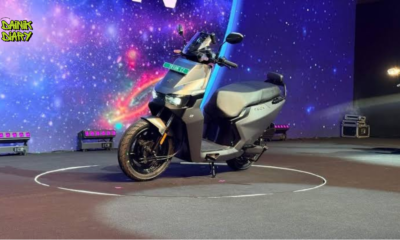
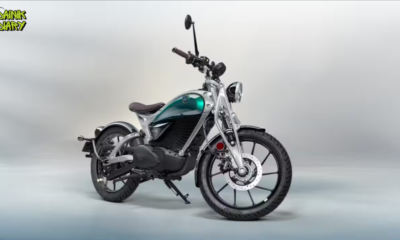
- Electric two-wheelers
- Electric three-wheelers and e-rickshaws
- Electric carts (e-carts)
- Electric buses
- Electric ambulances
- Electric trucks
Each category receives different levels of support depending on eligibility norms and manufacturer compliance.
Importantly, most of the subsidy is not directly handled by the buyer. Instead, it is usually adjusted in the vehicle’s final on-road price at the dealership level, making the process largely invisible to end consumers.
Why Eligibility Matters More Than Ever
One of the most overlooked aspects of the scheme is eligibility. Not every EV automatically qualifies for benefits under PM E-DRIVE.

Manufacturers must meet localisation and compliance requirements to remain part of the incentive framework. This means two similar-looking EVs in the showroom could have different final prices depending on whether they are eligible under the scheme or not.
For buyers, this makes one step absolutely essential — confirming eligibility with the dealer before booking.
What EV Buyers Should Actually Check
Before purchasing an electric vehicle, experts suggest focusing on three practical checks:
First, confirm whether the model qualifies for PM E-DRIVE incentives.
Second, understand the actual on-road price after subsidy adjustment.
Third, evaluate charging availability in your city or locality.
While policy support can reduce upfront costs, the real-world experience of EV ownership still depends heavily on charging infrastructure — something that is evolving but uneven across India.
More Than Just a Scheme
The PM E-DRIVE initiative is not just another subsidy programme. It represents a structural shift in how India approaches electric mobility — moving from purchase-driven incentives to ecosystem building.
Over the next few years, the scheme is expected to influence not just what Indians buy, but how they use electric vehicles in daily life.
For consumers, the message is clear: EV adoption is no longer just about choosing the right vehicle. It is about understanding the system behind it.