Tech
Apple raises iPhone prices after iPhone 18 Pro launch: Some older models now cost up to ₹65,000 more…
Apple has revised prices of several older iPhone models in India following the launch of the iPhone 18 Pro series and its new foldable iPhone Duo, with some variants seeing surprisingly steep increases.

The launch of a new iPhone generation usually brings good news for buyers hoping to purchase older models at lower prices. This time, however, Apple appears to have taken a very different route.
Following its latest iPhone 18 Pro launch event, Apple has increased the prices of several existing iPhones in India, including the iPhone 16, iPhone 17e, iPhone 17, and the ultra-slim iPhone Air.
The revised pricing means that some customers looking at Apple’s older-generation devices may now have to pay significantly more than they would have paid just before the company’s latest launch event.
The biggest surprise is the scale of the increase on certain models, with one iPhone Air variant becoming as much as ₹65,000 more expensive.
iPhone prices revised after Apple’s major launch
Apple’s latest “Surprise and Shine” event introduced a major expansion of its smartphone lineup.
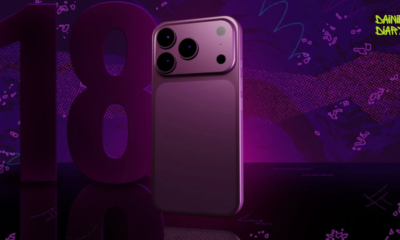
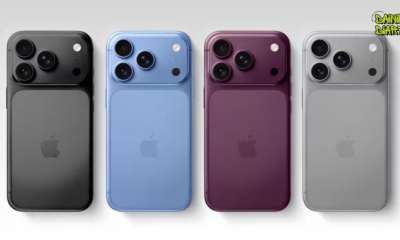
The company unveiled the new iPhone 18 Pro and iPhone 18 Pro Max, replacing the previous Pro models at the top of its conventional smartphone range.
The event also put the spotlight on the iPhone Duo, described as Apple’s first foldable iPhone and one of the company’s most ambitious new products.
However, while attention was focused on the new premium devices, Apple’s existing iPhone lineup quietly received a major pricing shake-up.
The company has reportedly revised prices amid rising manufacturing costs, with the global memory chip shortage being one of the factors putting pressure on smartphone production costs.
Notably, the price hikes do not bring any new specifications, upgraded processors or hardware improvements to the existing models.
New iPhone prices in India
After the latest revision, Apple’s non-Pro iPhone lineup has become considerably more expensive.
The iPhone 17e now starts at ₹79,900, while the standard iPhone 17 is priced from ₹99,900.
Meanwhile, the ultra-slim iPhone Air has moved further into premium territory, with its starting price now reaching ₹1,49,900.
Here is a closer look at the revised pricing:
| iPhone Model | Storage | Old Price | New Price | Increase |
|---|---|---|---|---|
| iPhone 16 | 128GB | ₹69,900 | ₹79,900 | ₹10,000 |
| iPhone 17e | 256GB | ₹64,900 | ₹79,900 | ₹15,000 |
| iPhone 17e | 512GB | ₹84,900 | ₹1,04,900 | ₹20,000 |
| iPhone 17 | 256GB | ₹82,900 | ₹99,900 | ₹17,000 |
| iPhone 17 | 512GB | ₹1,02,900 | ₹1,24,900 | ₹22,000 |
| iPhone Air | 256GB | ₹1,19,900 | ₹1,49,900 | ₹30,000 |
| iPhone Air | 512GB | ₹1,39,900 | ₹1,74,900 | ₹35,000 |
| iPhone Air | 1TB | ₹1,59,900 | ₹2,24,900 | ₹65,000 |
The revised prices could significantly change the buying decision for Indian customers who were waiting for Apple’s newest launch before choosing between an older model and a new-generation iPhone.

Why are older iPhones becoming more expensive?
The unusual move comes as the technology industry faces increasing pressure from component and manufacturing costs.
The global shortage of memory chips has affected supply chains across the electronics industry, while premium smartphone manufacturers are also dealing with rising costs associated with advanced processors, displays and other components.
According to the information available, Apple had avoided making major price revisions until the arrival of its newest Pro lineup.
The result is a situation that may surprise many consumers: older smartphones have become more expensive even though their specifications remain unchanged.
For budget-conscious buyers, this could make Apple’s pricing strategy particularly difficult to navigate.
iPhone 17 Pro models make way for the new generation
The launch of the iPhone 18 Pro and iPhone 18 Pro Max has also brought an end to the official store run of the previous iPhone 17 Pro models.
The outgoing iPhone 17 Pro and iPhone 17 Pro Max have reportedly been removed from Apple’s active store lineup to make room for the latest generation.
That does not necessarily mean the phones will disappear immediately from the Indian market.
Retailers and online stores may continue selling their remaining inventory until stocks are exhausted, potentially creating opportunities for buyers who can find attractive discounts.
Apple’s iPhone Duo enters the ultra-premium category
Apple’s expanded smartphone portfolio now includes the iPhone Duo, the company’s first foldable iPhone.
And it is clearly positioned at the very top of the premium smartphone market.
In India, the foldable device is priced from ₹2,99,900 for the 256GB variant.
The higher storage versions are priced at:
- 512GB: ₹3,24,900
- 1TB: ₹3,74,900
- 2TB: ₹4,49,900
The pricing puts the iPhone Duo among Apple’s most expensive smartphones ever offered to Indian consumers.
Its arrival also signals a major expansion of Apple’s strategy, as the company enters the foldable smartphone segment while continuing to develop its traditional iPhone lineup.
Where is the standard iPhone 18?
Interestingly, Apple did not introduce the standard iPhone 18 alongside the iPhone 18 Pro series and the iPhone Duo at its September event.
The decision represents a notable shift from Apple’s usual iPhone launch pattern.
According to a report by Bloomberg, Apple is expected to divide the iPhone 18 family across two different launch windows.
The standard iPhone 18 and a more affordable iPhone 18e are reportedly expected to arrive in spring 2027.
Until then, the iPhone 17, iPhone 17e, and iPhone Air are expected to remain Apple’s main non-Pro options.
A strange time to buy an older iPhone?
For years, many Apple buyers have followed a familiar strategy: wait for a new iPhone launch and then purchase the previous generation at a more attractive price.
The latest price changes could make that strategy far less straightforward.
With the iPhone 18 Pro series now leading Apple’s premium lineup and older models becoming more expensive in India, buyers may need to compare prices more carefully than ever.
The biggest question now is whether customers will accept the higher prices—or turn towards discounts offered by retailers and competing Android smartphones instead.
One thing is clear: after Apple’s latest launch, waiting for an older iPhone to become cheaper may no longer be the safe bet it once was.