
Automobile
Eicher shares crash 6.5% After Delhi’s EV bombshell; Is Royal Enfield running out of road?
Delhi’s aggressive EV Policy 2.0 has triggered fresh concerns for Royal Enfield, as the capital prepares to phase out new petrol and CNG two-wheelers by 2028.

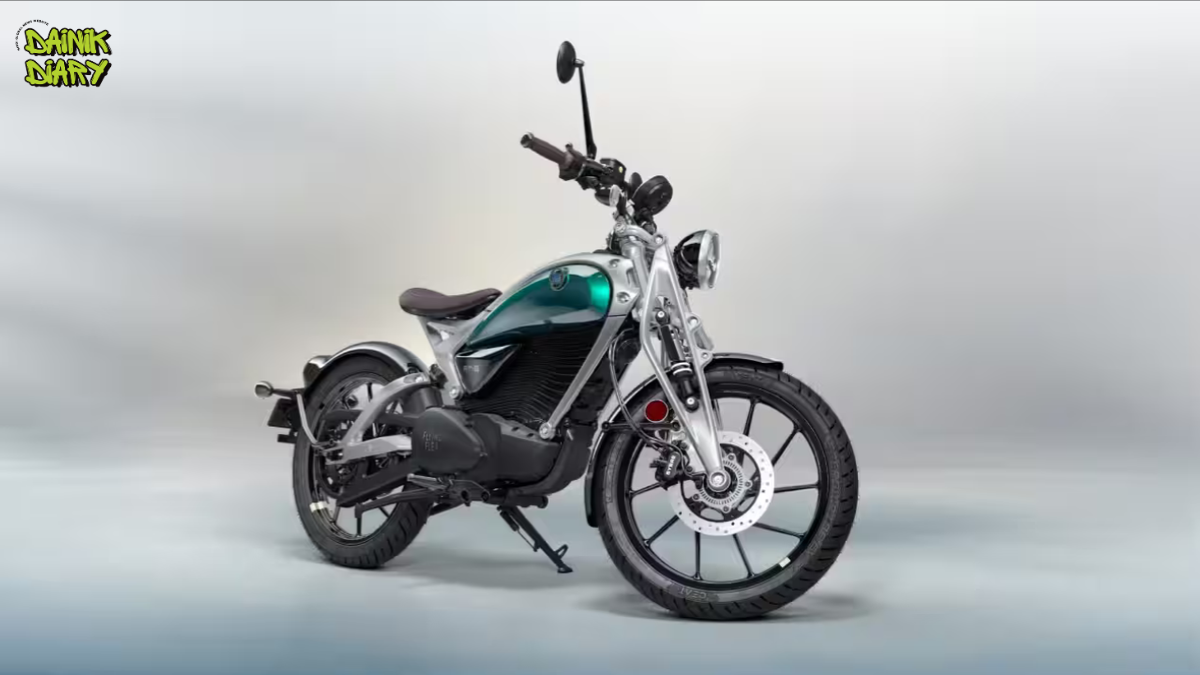
New Delhi: Eicher Motors witnessed a sharp fall in its share price on Monday, sliding 6.5%, after the Delhi government rolled out its ambitious EV Policy 2.0 a move that could dramatically reshape the city’s two-wheeler market and put pressure on legacy brands like Royal Enfield.
The new policy makes one thing clear: starting April 1, 2028, the registration of all new petrol and CNG-powered two-wheelers in the national capital will come to a complete halt. From that date onward, only electric two-wheelers (EVs) will be allowed for new sales.
What makes the announcement significant is its strict approach. There is no transition grace period, no hybrid exception, and no room for partial compliance. For manufacturers heavily dependent on internal combustion engine (ICE) models, the countdown has officially begun.
For Royal Enfield, owned by Eicher Motors, the development comes at a challenging time.
The iconic motorcycle brand, known for its powerful mid-size petrol bikes and strong loyal customer base, currently has only one electric model in its portfolio and lacks a major presence in Delhi’s fast-growing EV market. This puts the company in a vulnerable position, especially in a city where it enjoys a notable 3.3% share of the total two-wheeler market.
Its dominance in the premium petrol segment may not be enough once electric becomes mandatory.
ALSO READ : Royal Enfield Bullet 350 in 2026: New Prices, Mileage & full specs explained which variant gives the best value?
While Royal Enfield scrambles to strengthen its EV strategy, rivals are already miles ahead.
TVS Motor currently leads Delhi’s electric two-wheeler market with a commanding 17% market share, making it one of the biggest beneficiaries of the policy shift. Bajaj Auto and Hero MotoCorp follow closely, each holding 12%, giving them a significant early advantage.

Meanwhile, pure EV-focused brands like Ather Energy and Ola Electric are also well-positioned, with 9% and 4% market shares respectively. Analysts believe these companies could see a major boost as the deadline approaches.
Market experts say Delhi’s latest EV push sends a strong signal to the entire automotive industry: adapt fast or risk losing market share.
For Royal Enfield, the next two years could prove crucial. The company now faces growing pressure to accelerate its electric roadmap, launch competitive EV models, and protect its stronghold in one of India’s biggest two-wheeler hubs.
The bigger question now remains can the legendary motorcycle brand reinvent itself in time for the electric future, or will Delhi’s EV revolution leave it behind?




Pingback: India’s EV Revolution Won’t Be Won By Scooters Alone; Why Electric Motorcycles Could Change Everything… - Dainik Diary - Authentic News