Politics
India to Send Top Representatives for Khamenei Funeral, But Why PM Modi Isn’t Attending?
Union Minister Pabitra Margherita and Bihar Governor Syed Ata Hasnain likely to represent India at Iran’s Supreme Leader funeral amid strong diplomatic signals.

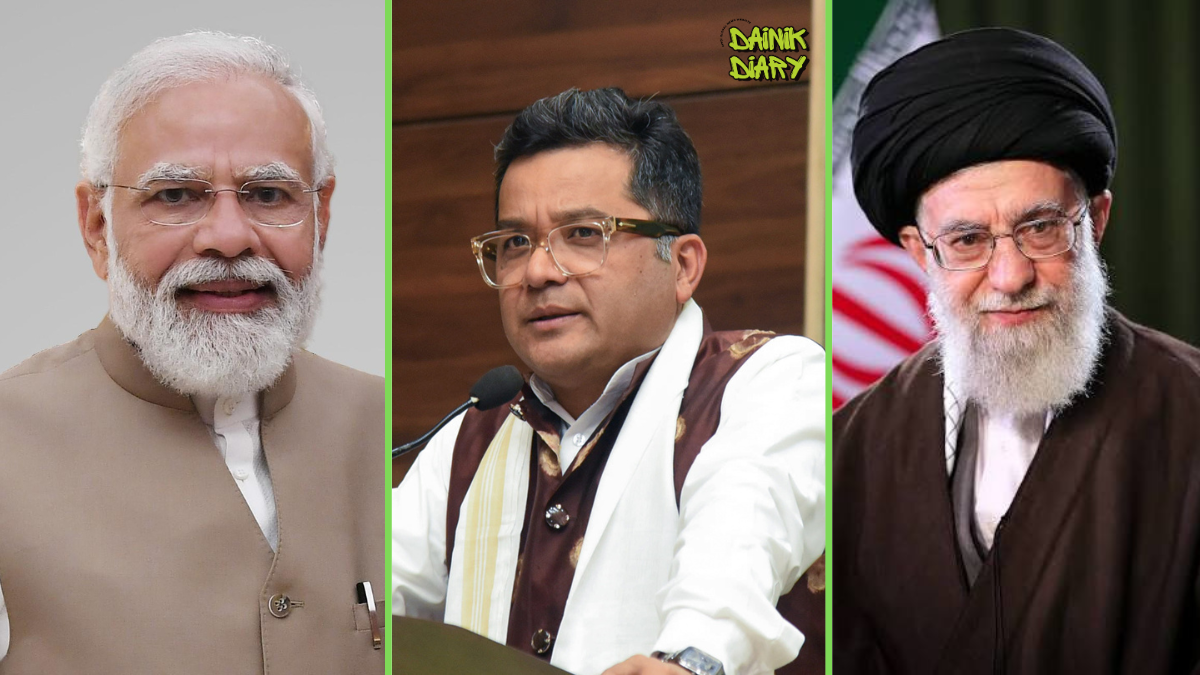
India is set to maintain its diplomatic presence at a crucial global event, as Union Minister Pabitra Margherita and Bihar Governor Syed Ata Hasnain are likely to represent the country at the state funeral of Iran’s Supreme Leader Ali Khamenei, according to official sources.
The multi-day funeral, scheduled to begin on July 4, comes at a sensitive time in global geopolitics, especially in West Asia. Iranian President Masoud Pezeshkian had earlier extended an invitation to Prime Minister Narendra Modi to attend the مراسم. However, Modi will not be present due to his upcoming three-nation diplomatic tour covering Indonesia, Australia, and New Zealand starting July 6.
A Strategic Diplomatic Move
India’s decision to send high-level representatives instead of the Prime Minister reflects a careful balancing act. While maintaining respect for Iran’s leadership and its people, New Delhi is also managing its global commitments and strategic priorities.
The presence of senior officials at the funeral reinforces India’s longstanding ties with Iran—ties that have remained steady despite increasing Western sanctions on Tehran.
“India remains a friend of Iran,” Prime Minister Modi had earlier conveyed in a message to President Pezeshkian during ongoing tensions in West Asia, underlining the importance of the bilateral relationship.
Why Iran Matters to India
Iran holds significant strategic value for India, especially in terms of connectivity and regional access. Through the Chabahar Port project, India gains a critical route to Afghanistan and Central Asia—bypassing Pakistan entirely.
Additionally, initiatives like the International North-South Transport Corridor (INSTC) strengthen trade links between India, Eurasia, and Europe, making Iran a key partner in India’s long-term geopolitical strategy.
ALSO READ : Shreyas Iyer’s captaincy debut shocks records: Rohit Sharma overtaken as India’s new T20I leader begins fresh era… but Vaibhav Sooryavanshi left out
Despite geopolitical pressures, India has continued to engage with Iran, reflecting a pragmatic foreign policy approach.
Signals From Tehran
Following the exchange of diplomatic messages during Eid al-Adha, Mojtaba Khamenei—widely seen as a key figure in Iran’s leadership—expressed optimism about the future of India-Iran relations.

He stated that “the historic friendship between our two countries… will continue to be strengthened and expanded.” The message was seen as a reaffirmation of mutual respect and shared interests between the two nations.
A Moment of Diplomacy Amid Global Tensions
India’s participation in the funeral comes at a time when West Asia remains volatile, with ongoing geopolitical conflicts shaping global alignments.
By sending official representatives, New Delhi appears to be reinforcing its position as a balanced and independent global player—one that values relationships across geopolitical divides.
As the world watches Iran during this period of transition, India’s diplomatic gesture highlights a deeper message: strategic partnerships endure beyond political changes and global pressures.