World News
‘People of J&K Don’t need your validation’: PoK PM slams Khawaja Asif, Demands apology over ‘Not proper kashmiris’ Remark
Pakistan-occupied Kashmir Prime Minister Faisal Mumtaz Rathore accuses Pakistan Defence Minister Khawaja Asif of creating divisions after his controversial comments on Kashmiri identity spark political backlash.

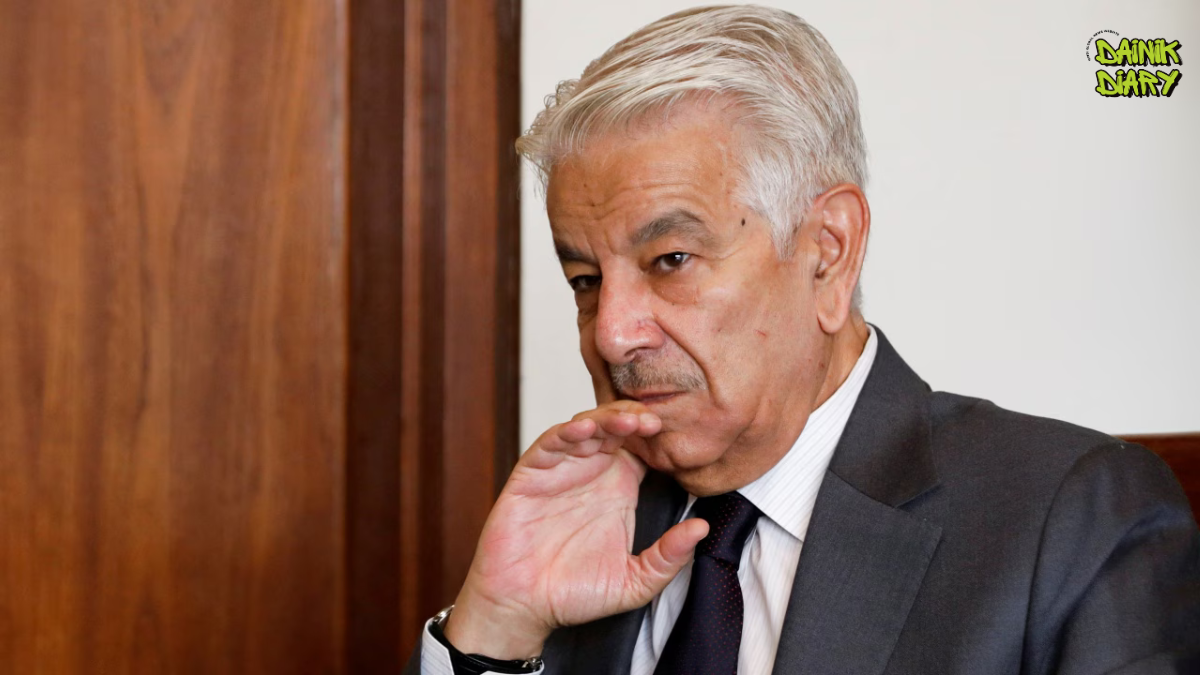
Islamabad: A sharp political confrontation has erupted between Pakistan’s federal leadership and the administration in Pakistan-occupied Kashmir (PoK) after PoK Prime Minister Faisal Mumtaz Rathore strongly criticised Pakistan Defence Minister Khawaja Asif over his remarks questioning the identity of residents from Rawalakot and Mirpur.
The dispute has triggered widespread political debate within Pakistan, with opposition leaders and regional representatives calling Asif’s comments insensitive and demanding greater restraint on issues related to Kashmir.
‘People of J&K Don’t Need Validation’
In a strongly worded post on X, Faisal Mumtaz Rathore said the people of Jammu and Kashmir did not require validation from Pakistan’s defence minister or any other individual regarding their identity.
He accused senior political leaders of creating unnecessary divisions instead of promoting unity and harmony among the people of the region.
Rathore further urged Khawaja Asif to acknowledge his remarks and issue a public apology instead of attempting to justify them.
What Sparked the Controversy?
The row began after Khawaja Asif, during a television interview, reportedly stated that residents of Rawalakot and Mirpur were “not proper Kashmiris.”
The remarks quickly drew criticism, particularly because Rawalakot has witnessed prolonged protests led by the Joint Awami Action Committee over issues including rising inflation, governance concerns, alleged human rights violations and demands for greater constitutional rights.
Asif later defended his statement by saying that Kashmiri identity should be viewed through the lens of decades of struggle and sacrifice rather than birthplace or geography.
Rathore Rejects Clarification
Rejecting the defence minister’s explanation, Rathore accused him of attempting to divert attention from his original comments by criticising the governance of the PoK administration.
ALSO READ : “You’d win a million votes in Delhi…”: Giorgia Meloni recalls viral India visit, says posters of her lined streets in 2023
He maintained that a more appropriate response would have been to apologise for the controversial remarks instead of shifting the focus to political issues within the region.
The PoK Prime Minister also asserted that Pakistan’s own leadership would acknowledge the efforts of his administration, dismissing Asif’s criticism of the local government.
Bilawal Bhutto-Zardari Also Weighs In
The controversy soon reached Pakistan’s National Assembly, where Pakistan Peoples Party (PPP) Chairman Bilawal Bhutto-Zardari called on Prime Minister Shehbaz Sharif to ensure ministers exercise greater caution while speaking on sensitive matters related to Kashmir.
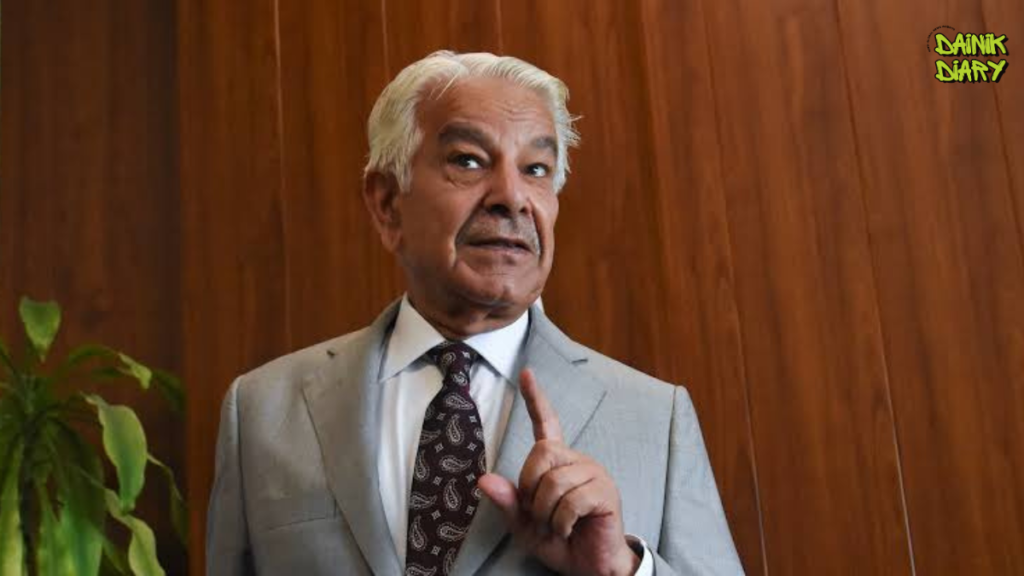
Bilawal urged the Prime Minister to rein in members of his cabinet, warning that such statements could create confusion over Pakistan’s official position on the Kashmir issue.
He also criticised what he described as the federal government’s approach towards Pakistan-occupied Kashmir, arguing that political disagreements should be addressed through dialogue rather than confrontation.
Khawaja Asif Refuses to Apologise
Despite mounting criticism from political leaders and the PoK administration, Khawaja Asif has refused to withdraw his remarks.
The defence minister said he stood by his statement and made it clear that he had no intention of issuing an apology.
His refusal has further intensified the political row, exposing growing differences between Pakistan’s federal leadership and the administration in Pakistan-occupied Kashmir.
The controversy continues to dominate political discussions in Pakistan, highlighting tensions over governance, regional identity and the handling of sensitive issues concerning Kashmir.