Politics
‘Speak Up With Moral Clarity’: Rahul Gandhi backs Sonia Gandhi’s Gaza stand, Urges india to ‘Reclaim Independent foreign policy’
The Congress leader endorsed Sonia Gandhi’s recent op-ed on the Gaza conflict, while the BJP-led Centre is yet to respond to the latest remarks.


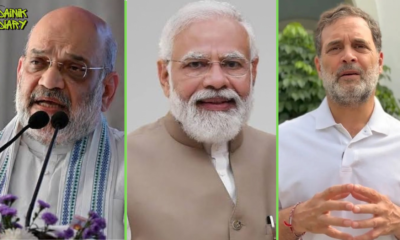
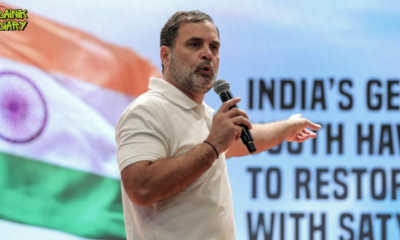
New Delhi: Leader of Opposition Rahul Gandhi on Saturday intensified the Congress party’s criticism of the Centre’s foreign policy, backing Sonia Gandhi’s recent opinion piece on the humanitarian situation in Gaza and urging India to reclaim what he described as its “independent foreign policy.”
Rahul Gandhi shared his views on X, expressing support for the editorial written by Congress Parliamentary Party Chairperson Sonia Gandhi, in which she called on India to uphold humanitarian values and speak with “moral clarity” on the ongoing conflict in Gaza.
Rahul Gandhi Endorses Sonia Gandhi’s Appeal
In his post, Rahul Gandhi said India should maintain an independent diplomatic approach and respond more strongly to the humanitarian crisis in Gaza.
He also alleged that India was moving closer to Israel at a time when several countries were reassessing their positions. Referring to Prime Minister Narendra Modi’s outreach to Israel, Rahul claimed that the shift represented a significant strategic decision with long-term implications.
Calling attention to the humanitarian situation, Rahul Gandhi urged India to raise its voice for Palestinian civilians, particularly children affected by the ongoing conflict.
Congress Leadership Voices Support
Congress President Mallikarjun Kharge also backed Sonia Gandhi’s position, arguing that India’s traditional relationships in West Asia had weakened under the current government’s foreign policy.
In a post on X, Kharge said Sonia Gandhi’s article highlighted concerns over India’s ties with historical partners, including Palestine, Iran, and other countries in the region. He further claimed that India’s current diplomatic approach had distanced the country from broader international opinion.
Earlier, Priyanka Gandhi Vadra also shared excerpts from Sonia Gandhi’s article, reiterating the Congress leader’s call for India to respond more strongly to the humanitarian situation in Gaza and the occupied West Bank.
ALSO READ : “What Else?”: The One Question Pranab Mukherjee Asked PM Modi After BJP’s Historic 2014 Win
What Sonia Gandhi Wrote
In her opinion article published in The Indian Express, Sonia Gandhi criticised the Union government’s approach to the conflict, arguing that India’s response was inconsistent with the country’s long-standing foreign policy principles and humanitarian traditions.
She referred to findings cited from the United Nations Independent International Commission of Inquiry on the Occupied Palestinian Territory, mentioning reports that documented widespread destruction in Gaza and its impact on civilians, particularly children.

According to the article, the report highlighted extensive damage to educational institutions and healthcare infrastructure while raising concerns over the humanitarian situation in the region.
Conflict Continues in Gaza
The political exchange comes as the conflict in Gaza continues to draw international attention.
According to international media reports, recent Israeli strikes resulted in multiple casualties, including civilians. Meanwhile, the Palestinian Ministry of Health has alleged that Gaza’s healthcare system is facing severe challenges due to ongoing shortages of resources and financial constraints.
Israel has consistently maintained that its military operations target militant infrastructure and has accused Hamas of operating from civilian areas, an allegation that Hamas denies.
As the humanitarian crisis remains a subject of global concern, political parties in India continue to debate the country’s diplomatic stance and its role in responding to developments in the region.