Politics
Raghav Chadha Back on Voter Roll Days After Punjab SIR Exclusion: Which Form Did He Use? Delhi Poll Body Explains
Raghav Chadha’s name was marked ‘permanently shifted’ in Punjab’s draft electoral roll before he applied for inclusion in Delhi’s Rajinder Nagar constituency. The Delhi poll body says his Form 6 application was approved after the mandatory notice period, but the episode has triggered a wider debate over SIR procedures and the distinction between Forms 6 and 8.

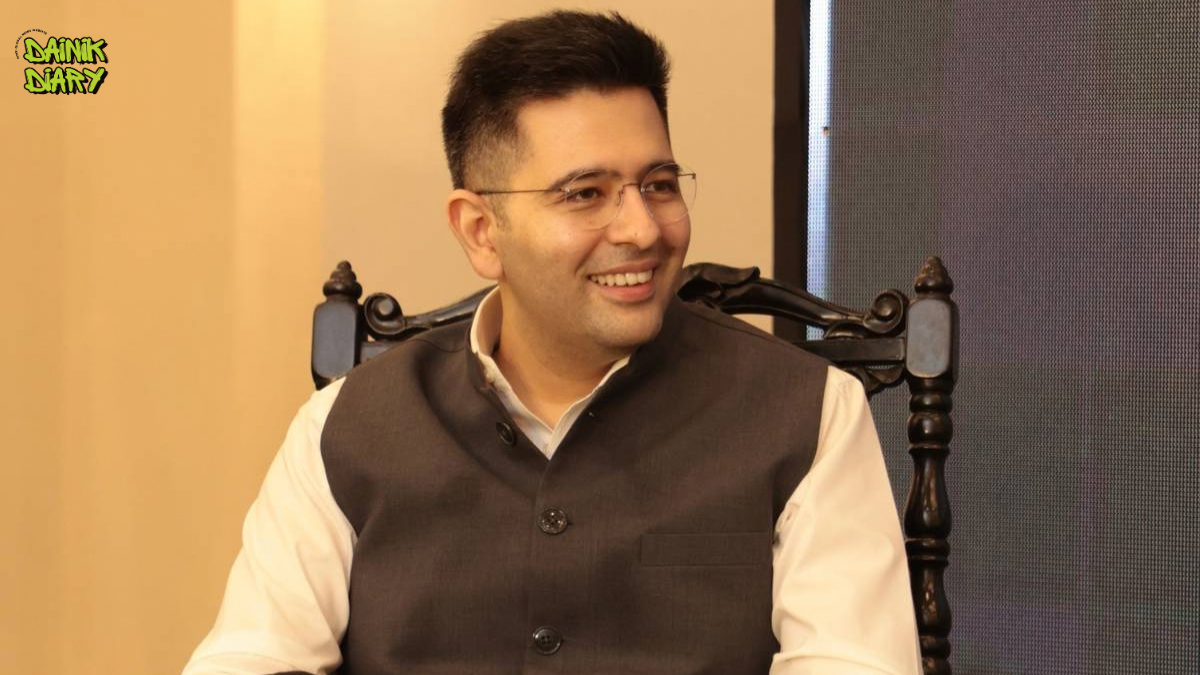
The electoral registration of Rajya Sabha MP Raghav Chadha in Delhi shortly after his name was excluded from Punjab’s draft electoral roll has sparked a fresh debate over how voter-registration rules operate during the ongoing Special Intensive Revision (SIR).
Chadha’s name appeared in Punjab’s Absent, Shifted, Deceased and Duplicate (ASDD) list following publication of the draft roll on August 13, 2026, with his status recorded as “permanently shifted.”
What happened next has become the focus of the controversy.
According to the Office of the Chief Electoral Officer, Delhi, Chadha submitted Form 6 on August 26 seeking inclusion in the electoral roll of AC-39 Rajinder Nagar. The application was approved by the Electoral Registration Officer (ERO) on September 2, following the mandatory seven-day notice period. The CEO’s office said the application was processed according to the procedure laid down by the Election Commission of India (ECI).
That explanation establishes which form was used. It has also brought another question into focus: why was Form 6 used rather than Form 8, given Chadha’s previous electoral history?
Form 6 or Form 8? Why the Distinction Matters
The ECI’s current voter-services portal describes Form 6 as the application for registration of a new voter/elector.
Form 8, meanwhile, is specifically listed for purposes including shifting residence from one Assembly constituency to another, as well as corrections, replacement of an EPIC and marking an elector as a person with disability.
The Delhi CEO’s September 8 press note makes the same distinction.
It describes Form 6 as an application for enrolment of a new elector and Form 8 as the form for an existing elector shifting residence within or outside a constituency.
That distinction has fuelled questions because Chadha is not someone without an electoral history.
He previously served as an MLA from Rajinder Nagar and was elected to the Rajya Sabha from Punjab in 2022.
The issue being debated, therefore, is not whether Chadha has previously been an elector, but how his circumstances fitted the Form 6 procedure applied by the Delhi electoral authorities.
What Delhi CEO Has Said About Chadha’s Application
The Delhi poll body has rejected allegations that Chadha’s name was inserted without following procedure.
According to the CEO’s office, his Form 6 application carried application number U05039D6N2608261200000 and was approved only after completion of the required seven-day notice period.
The poll body has also explained why a newly approved name can appear in the electoral database even before publication of the final electoral roll.
Under the SIR procedure described by the Delhi CEO, approved additions are reflected in the electoral database and are subsequently incorporated into the supplementary list accompanying the updated roll.
The CEO said that, as of September 8, around 700 Forms 6 across Delhi’s Assembly constituencies had already been approved by EROs for inclusion.
This indicates that Chadha was not the only elector whose inclusion was being processed during the revision period.
Punjab Roll Had Marked Chadha ‘Permanently Shifted’
The controversy began after Chadha’s name appeared among electors left out of Punjab’s draft SIR roll.
His entry was placed in the ASDD category, with the reason given as “permanently shifted.” Reports said approximately 20.66 lakh voters, or about 9.7% of Punjab’s pre-SIR electorate, were excluded from the state’s draft rolls during the exercise.
Chadha had said at the time that he was in the process of using remedies available under the SIR guidelines.
A subsequent check reported by The Indian Express found him registered at serial number 747 of Booth No. 46 in Rajinder Nagar, while the draft electoral roll published on August 31 had ended at serial number 746.
The Delhi CEO’s explanation says this is consistent with the procedure for additions made after a draft roll is prepared: new approved entries receive serial numbers continuing from the final entry in the draft and are ultimately published in the supplementary list.
What ECI Rules Say About Shifting Residence
The ECI’s current guidance says a voter shifting from one residence to another whether within or outside an Assembly constituency should submit Form 8 to the ERO of the new place of residence.
At the same time, Delhi’s SIR procedure allows eligible people missing from the draft roll to submit Form 6 with the prescribed declaration and supporting documents during the claims-and-objections period. The Delhi CEO says electors who could not submit their enumeration forms, or who claim to be genuine electors, may use this process.
These overlapping circumstances are at the heart of the present debate: was Chadha’s case processed as an inclusion following omission from a draft roll, rather than simply as the transfer of an existing electoral entry?
The Delhi CEO has maintained that the prescribed procedure was followed.
ALSO READ : Shashi Tharoor targets Election Commission over ECINet row: ‘Rescind this disastrous software and undo the harm…’
Could Chadha’s Rajya Sabha Membership Have Been Affected?
There is another important distinction.
Being removed from Punjab’s draft electoral roll would not, by itself, mean that Chadha must remain registered specifically in Punjab to retain the electoral qualification relevant to a regular Rajya Sabha seat.
Under Section 3 of the Representation of the People Act, 1951, for seats other than specified exceptions, a person must be an elector for any Parliamentary constituency in India.
The electoral-roll dispute and Chadha’s parliamentary status therefore involve separate legal questions.
Why the Case Has Put SIR Procedures Under the Spotlight
The controversy ultimately extends beyond one politician.
During Delhi’s SIR, the CEO says people omitted from the draft roll can seek inclusion, while claims and objections are made publicly available so that objections can be lodged with the relevant ERO. The office says additions are approved under the Representation of the People Act, 1950, Registration of Electors Rules, 1960, and instructions issued by the Election Commission.
The ECI also states that a person cannot simultaneously be enrolled as a voter in more than one place.
Questions surrounding Chadha’s case can therefore be assessed against the same standards applicable to other electors: what documentation was submitted, why Form 6 was the applicable route in his circumstances, what verification was undertaken, and whether similarly placed electors were processed under the same procedure.
More detailed disclosure of those records by the electoral authorities could provide greater clarity over how the rules were applied in this particular case.
For now, one point is confirmed: Raghav Chadha applied through Form 6 on August 26, and the Delhi ERO approved the application on September 2 after the mandatory notice period. The Delhi poll body says the process complied with ECI procedure.
The broader debate is about how that procedure fits with the rules governing existing electors, shifting of residence and SIR-era inclusion and whether those rules are being applied consistently across comparable cases.