
Politics
‘Chief Architect of Vote Chori’: Opposition Demands Gyanesh Kumar’s Removal… ECI Rejects Dissent Claims
A media investigation claims Election Commissioners Sukhbir Singh Sandhu and Vivek Joshi recorded objections at least 14 times over decisions allegedly taken without their approval; Election Commission sources maintain that every final decision was unanimous.

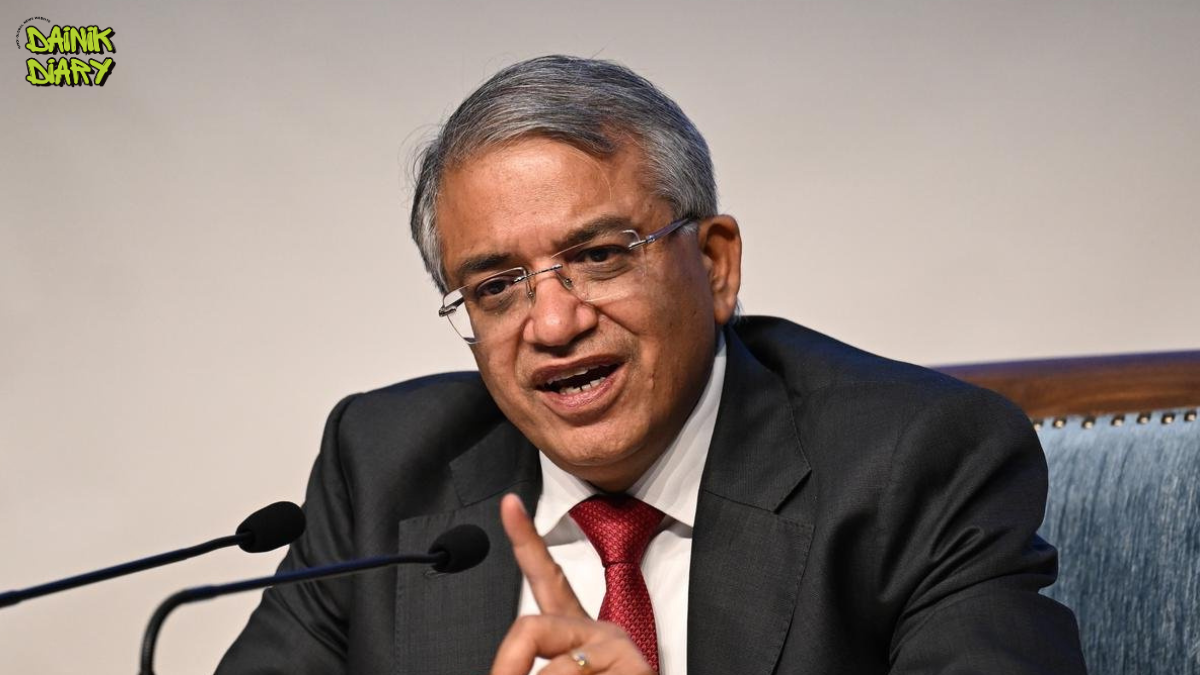
A fresh political confrontation has erupted around the Election Commission of India after a media investigation reported repeated objections within the three-member constitutional body over decisions connected to electoral rolls and the nationwide Special Intensive Revision, or SIR.
Opposition parties on Wednesday demanded the removal of Chief Election Commissioner Gyanesh Kumar, an independent investigation and judicial intervention after The Indian Express reported that Election Commissioners Sukhbir Singh Sandhu and Vivek Joshi had formally raised concerns at least 14 times during a 10-month period.
The Election Commission has strongly contested suggestions of an institutional split. Sources within the poll body said all final decisions—including those concerning the SIR—were approved unanimously by Kumar, Sandhu and Joshi.
What did the investigation allege?
The investigation said it examined written objections recorded between November 2025 and August 2026. These reportedly concerned several important aspects of electoral-roll management, including:
- The addition of new voters
- The deletion and restoration of names
- Proposed changes to Form 6
- Access to the ERONet electoral database
- The centralisation of digital controls in Delhi
- Appeals arising from the SIR process
According to the report, Sandhu and Joshi objected to decisions and orders that they said had been issued in the Commission’s name without their knowledge or approval. Four objections were reportedly recorded on a single day.
Form 6 change reportedly questioned
One of the reported disagreements concerned Form 6, which is used by eligible citizens seeking inclusion in an electoral roll.
The investigation alleged that Joshi warned against modifying the form to require new applicants to answer whether their parents or grandparents appeared in the electoral roll prepared during the previous SIR. He reportedly argued that such a requirement could not be introduced without first changing the applicable rules.
Sandhu subsequently described the step as “unauthorised and illegal” and reportedly called for its immediate removal. The disputed question, however, allegedly continued to appear in the form.
These claims are based on the documents cited by the newspaper and have not been independently adjudicated by a court.
Concerns raised over ERONet access
The two commissioners also reportedly questioned the functioning of ERONet, the digital platform used to maintain and update electoral rolls.
The investigation said state-level officials had complained about incomplete access to the system. Sandhu and Joshi reportedly expressed concern that control over voter data was being gradually centralised in Delhi, potentially restricting the ability of statutory authorities at the state and constituency levels to perform their duties.
Joshi was also reported to have proposed an audit to ensure that only legally authorised officials could modify electoral records.
Election Commission says decisions were unanimous
Election Commission sources rejected the suggestion that major decisions had been imposed by one member of the panel.
“All decisions of the Election Commission of India, including SIR, have been unanimous,” sources said, adding that they carried the approval of both Election Commissioners and the Chief Election Commissioner.
The Commission’s reported position is that individual members may express different opinions while a subject is being examined, but such observations do not necessarily amount to formal dissent from the final decision.
This leaves two sharply different accounts: the investigation describes repeated written objections to allegedly unauthorised actions, while ECI sources insist that every final institutional decision received approval from all three commissioners.
Congress calls Kumar ‘chief architect of vote chori’
Congress general secretary K.C. Venugopal used the report to renew his party’s allegations of electoral manipulation. He described Kumar as the “chief architect” of a nationwide “vote chori” exercise and demanded his immediate removal.
Venugopal also called for a Supreme Court-monitored investigation, alleging that genuine voters were being excluded while questionable names were being added. These are political allegations, and no judicial finding establishing them has been cited.
Congress media department chairman Pawan Khera alleged that Kumar had exercised extraordinary control over an institution intended to function collectively. He demanded that the CEC disclose the disputed decisions, identify who authorised them and respond to the reported objections.
Akhilesh Yadav seeks Supreme Court intervention
Samajwadi Party president Akhilesh Yadav described the report as extremely serious and asked the Supreme Court to take suo motu cognisance.
Yadav argued that a constitutional institution cannot function fairly if its members are unable to perform their assigned responsibilities or if their objections are ignored.
CPI(M) MP John Brittas similarly accused the Commission of becoming a “one-man autocracy” and demanded that Parliament begin the process of removing the CEC. He also called for the SIR exercise to be annulled.
ALSO READ : Amit Shah to Visit Karnataka: Will BY Vijayendra Get Clarity on BJP State President Post? Here’s What’s Brewing…
Kejriwal demands arrest and fresh elections
Aam Aadmi Party national convener Arvind Kejriwal went further, demanding Kumar’s arrest and prosecution.
Kejriwal also called for several elections conducted in recent years to be cancelled and held again. He argued that the Election Commission is a three-member body in which the Chief Election Commissioner acts as chairman but does not possess unilateral authority over the other commissioners.
No court or competent authority has ordered Kumar’s arrest, the cancellation of those elections or their repetition.
Trinamool Congress MP Derek O’Brien and Shiv Sena (UBT) MP Sanjay Raut also demanded action against the CEC. Opposition parties had previously submitted notices seeking Kumar’s removal, but those proceedings did not advance.
Can the Chief Election Commissioner be removed immediately?
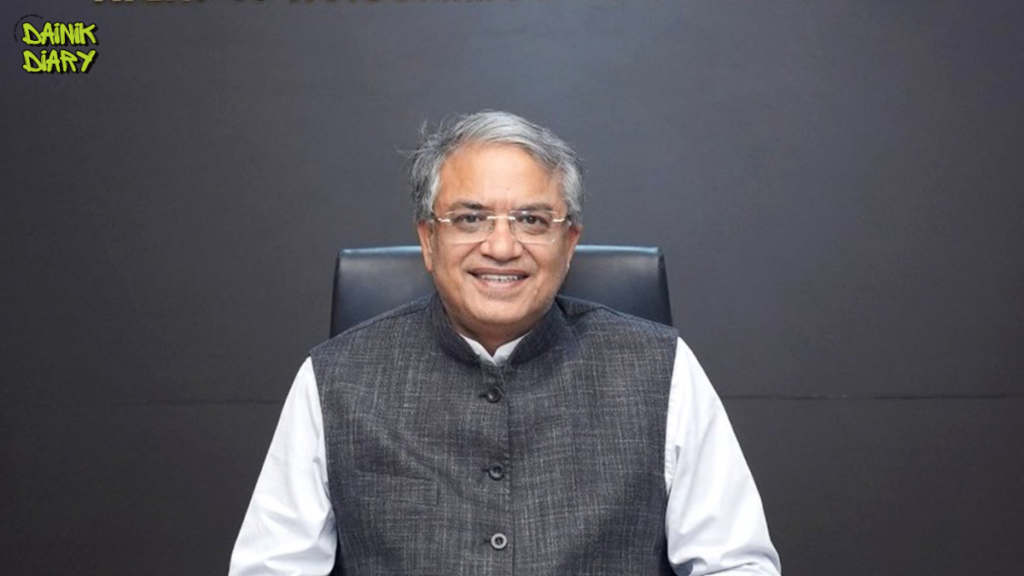
The political demands do not result in the CEC’s automatic suspension or removal.
Under Article 324(5) of the Constitution, a Chief Election Commissioner can be removed only in the same manner and on the same grounds as a judge of the Supreme Court. This requires a formal parliamentary process rather than an executive decision by the government or an opposition demand.
The constitutional safeguard is designed to protect the independence of the office.
The controversy is now centred on whether the written concerns described by the investigation were merely part of internal deliberations—as the ECI’s response suggests—or evidence that significant actions were taken without collective authorisation.
Until the underlying records are officially released, examined by Parliament or tested before a court, both the media findings and the Commission’s response will remain central to a politically charged dispute over the credibility of India’s electoral process.

