
Entertainment
Anupam Kher Reveals He Was Diagnosed With Manic Depression Despite Being ‘Such a Positive Person’: ‘Optimism Is My Problem’
Anupam Kher recalled sleepless nights that eventually led him to a psychiatrist, while also reflecting on bankruptcy, facial paralysis and why he chose to make his struggles public.

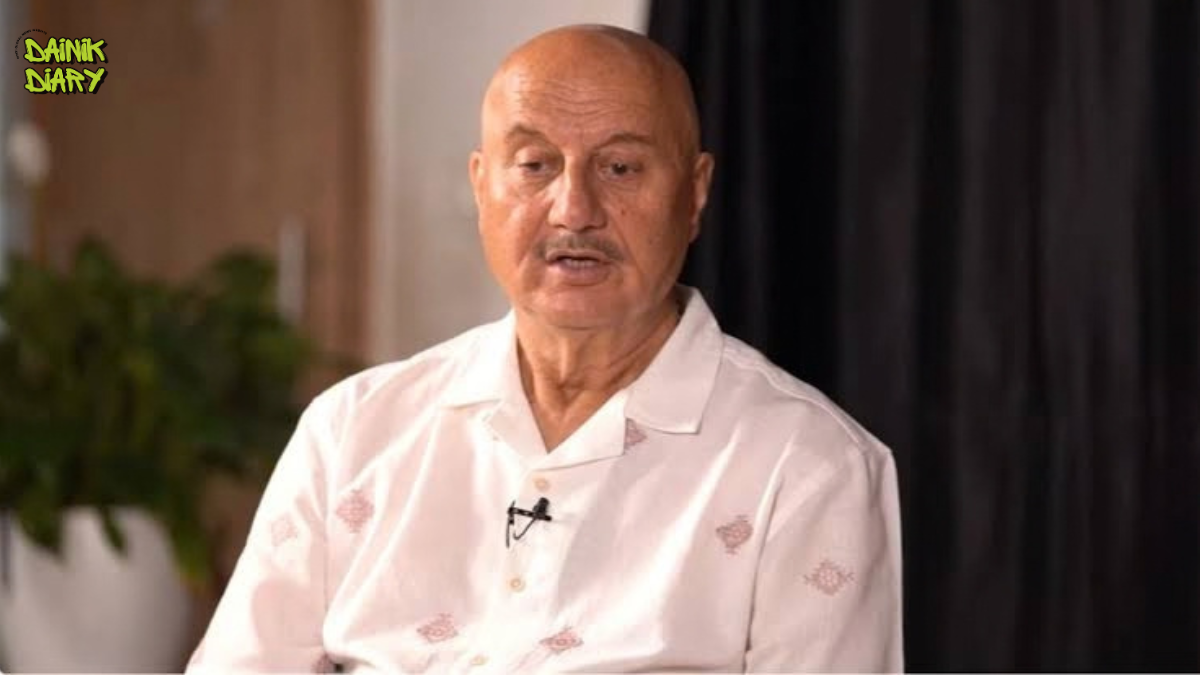
Veteran Bollywood actor Anupam Kher has opened up about a deeply personal chapter of his life, recalling being diagnosed with manic depression during a period when, outwardly, his career appeared to be going remarkably well.
Speaking in a conversation with Faridoon Shahryar, Kher said the diagnosis came around 10 to 12 years ago, at roughly the same time one of his books had been declared a national bestseller.
Yet behind that professional milestone, the actor said he was struggling with severe sleeplessness.
“About 10-12 years ago, when I had written my book, it was announced as a national bestseller. That was the year when I couldn’t sleep. I wouldn’t sleep day or night,” Kher recalled.
An eye problem eventually took Anupam Kher to a psychiatrist
According to Kher, his inability to sleep eventually began affecting how he responded to light. He initially approached an eye doctor, believing the problem was related to his eyes.
The doctor, however, suggested that he consult a psychiatrist.
Kher admitted that his first reaction was laughter because he considered himself an extremely positive person.
“I laughed and thought, ‘I am such a positive person,’” he recalled.
What happened during his subsequent psychiatric consultation became an unusual moment that Kher continues to remember.
‘Before you ask me questions, tell me one problem of yours’
Kher said he went to the psychiatrist carrying his own book and, rather than immediately answering the doctor’s questions, decided to turn the conversation around.
He asked the psychiatrist to tell him about one of his own problems. Kher then offered a solution and asked for another.
“For about an hour, I kept solving his problems,” the actor recalled, adding that he eventually handed the doctor his book and told him to call if he ever had a problem.
But as Kher prepared to leave, he noticed the psychiatrist writing something on a pad.
When Kher asked what he was writing, the doctor reportedly replied: “Your medication.”
Kher then recalled the psychiatrist telling him: “You are manic depressive, and optimism is your problem. You push everything.”
The actor’s account reflects terminology used during that consultation. In contemporary clinical usage, “manic depression” is an older term commonly associated with bipolar disorder; an individual’s current diagnosis or treatment cannot be established from an interview alone.
‘Even optimism can cause depression’
Kher said the experience changed the way he approached conversations surrounding mental health.
“Then I became the unofficial brand ambassador for mental health. Even optimism can cause depression,” he said.
Rather than keeping difficult episodes of his life private, the actor said he developed a habit of discussing them publicly.
“Whatever happens to me, I tell my whole story to the world,” Kher said.
That philosophy has also shaped his autobiographical one-man play, Kucch Bhi Ho Sakta Hai, which draws upon some of the biggest setbacks and turning points of his life.
Anupam Kher also recalls bankruptcy: ‘There was only Rs 400 left’
Among those setbacks was a severe financial crisis.
Kher has previously spoken about his ambitions to build a major television business and how investments, borrowing and mounting interest eventually pushed him towards bankruptcy.
Recalling the period in an earlier conversation with Unfiltered with Samdish, Kher said that by 2004, his financial situation had deteriorated dramatically.
He said his chartered accountant warned that he was on the verge of bankruptcy, with only Rs 400 remaining in his bank account. According to Kher, both his house and office had been mortgaged.
Instead of distancing himself from that period, Kher later incorporated the experience into his stage work.
“At the end of the play, I am the tallest man in the auditorium because when I have told everyone everything, what am I afraid of?” he said.
Facial paralysis struck during Hum Aapke Hain Koun
Financial trouble was not the only major setback Kher faced.
The actor has also repeatedly spoken about developing facial paralysis while working on the 1994 blockbuster Hum Aapke Hain Koun..!
Kher previously recalled first noticing signs of trouble while having dinner at his friend and fellow actor Anil Kapoor’s home. Sunita Kapoor reportedly noticed that one of his eyes was not blinking normally.
ALSO READ : Katrina Kaif Net Worth 2026 Highlights Her Journey as Bollywoods Timeless Superstar
The following morning, Kher realised something was seriously wrong when water came out of his mouth while he was brushing his teeth.
He subsequently met filmmaker Yash Chopra, who advised him to see a doctor. Kher said the doctor prescribed medication and advised him to rest.
But he chose to return to work.
Why Anupam Kher refused to stop shooting
The timing was particularly difficult because Kher was due to shoot the memorable antakshari sequence in Hum Aapke Hain Koun..!
During an earlier appearance on Aap Ki Adalat, Kher explained that he feared taking months away from work could leave him afraid of facing similar situations in the future.
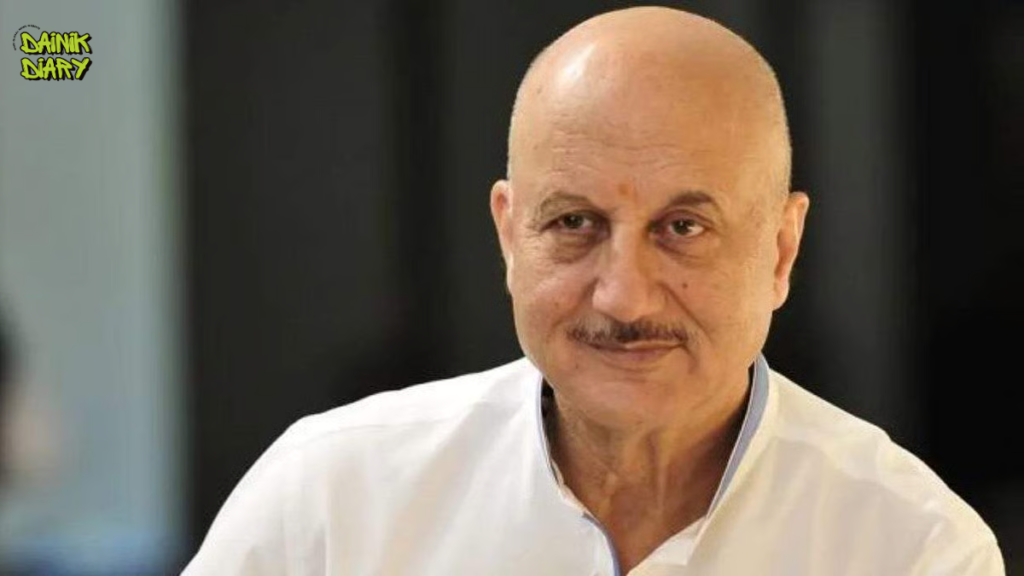
“If I go home today and take rest for two months, I will stay in fear my entire life,” he recalled thinking at the time.
Years later, Kher again reflected on the episode in a 2024 Instagram post, writing that people had believed the condition might bring his acting career to an end.
“I overcame it,” he wrote.
Turning setbacks into stories
Across a career spanning decades, Anupam Kher has rarely limited his public storytelling to professional achievements. His accounts of mental health struggles, financial collapse and facial paralysis have become part of the broader story he tells about his life.
His latest recollection also highlights the gap that can sometimes exist between outward professional success and private difficulties. For Kher, speaking publicly about those experiences appears to have become part of how he processes them whether through interviews, books or the stage.
And the line he attributes to his psychiatrist all those years ago remains perhaps the most striking part of the story: “Optimism is your problem.”





Pingback: The Paradise: Nani Breaks Silence On Mixed Reviews And Trolling, Says ‘Equally Enjoyed’ It; Fans Give Him A New Star Tag - Dainik Diary - Authentic News