World News
“Ceasefire on the Brink?” Israeli Strikes Kill 18 in Lebanon as US–Iran Peace Talks Collapse Into Delay Chaos
Fresh escalation between Israel and Hezbollah threatens fragile US–Iran deal as diplomatic talks in Switzerland are abruptly pushed back


A fragile geopolitical balance in the Middle East is once again under severe strain after renewed violence in Lebanon and delays in high-level diplomacy between United States and Iran, raising fears that the recently signed interim peace framework could unravel.
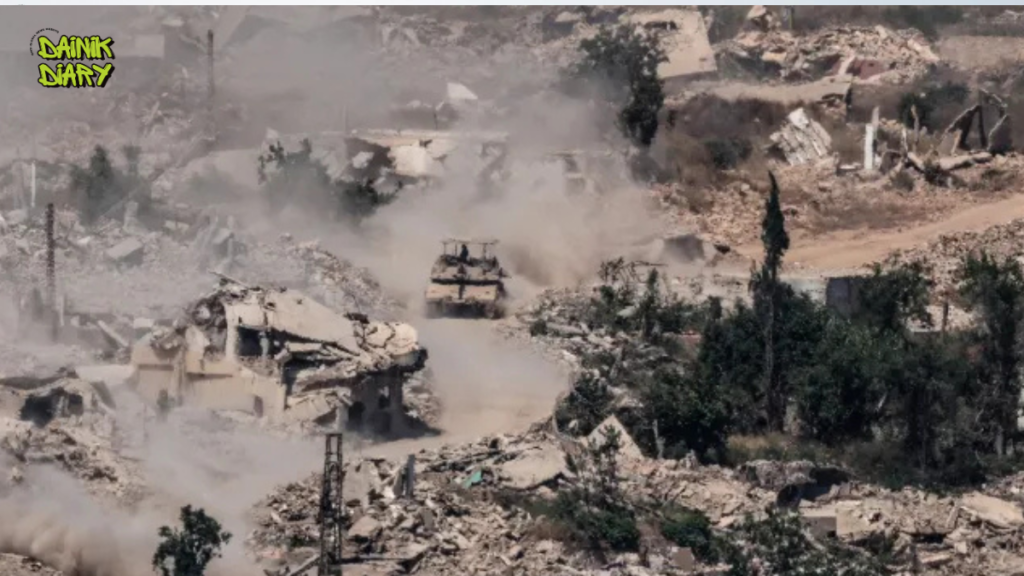
According to Lebanon’s state-run National News Agency, at least 18 people were killed in fresh Israeli airstrikes across southern parts of the country. The Israeli military confirmed that operations were ongoing, signalling no immediate pause in hostilities.
The escalation comes despite a newly signed agreement aimed at halting military operations across multiple fronts, including Lebanon, where Hezbollah has been engaged in prolonged conflict with Israel. The deal also emphasized Lebanon’s territorial integrity and sovereignty, but ground realities appear to be moving in the opposite direction.
ALSO READ : Trump Warns Iran ‘We Will Hit Very Hard Tonight’: Why Kharg Island Has Suddenly Become The Center Of A Dangerous New Standoff
At the core of the broader diplomatic effort is a US-backed framework that seeks to reopen the Strait of Hormuz, stabilize oil flow, and bring Washington and Tehran back to negotiations over Iran’s nuclear program. The waterway had been heavily disrupted during the conflict, pushing global oil markets into volatility.
Former US President Donald Trump defended the agreement, saying it was necessary to avoid what he called an “economic catastrophe” in the United States, as rising oil prices and inflation pressures intensified during the conflict period.
However, the ceasefire remains fragile. Israel and Hezbollah are not direct signatories to the US–Iran deal, creating a gap between diplomatic language and battlefield realities. Israeli Prime Minister Benjamin Netanyahu has insisted that Israeli forces will remain in what he described as a “security zone” in southern Lebanon, as long as security conditions demand it.
The diplomatic process has also hit a setback, with planned talks in Switzerland between US and Iranian officials being postponed. US Vice President JD Vance reportedly delayed his visit, with the White House citing logistical issues.
Behind closed doors, regional mediators are now reportedly focusing on de-escalation efforts in Lebanon, as tensions threaten to derail the broader negotiation track. Some officials even suggested that Iran pulled out of the Swiss talks, citing renewed fighting and political disagreements.
Meanwhile, oil shipments through the Strait of Hormuz have resumed, with reports indicating over 12.5 million barrels moving through the channel shortly after the agreement. Despite this, concerns remain in Washington over the long-term concessions offered in the deal, including sanctions relief discussions and reconstruction-related financial frameworks.
In Tehran, Supreme Leader Mojtaba Khamenei signaled cautious openness to future negotiations, marking what analysts interpret as a subtle shift in Iran’s diplomatic tone.
As Israel intensifies strikes and diplomatic talks stall, the Middle East appears to be entering another volatile phase where war and negotiation are once again unfolding side by side—without clear certainty about which direction will ultimately prevail.