Automobile
Tata Avinya X Shocks Auto World: Now to Ride on JLR Freelander EV Platform Instead of EMA — Big Strategy Shift Revealed
Tata Motors confirms major technical change for its premium EV flagship; Avinya X launch planned for early 2027 with cost-focused global strategy

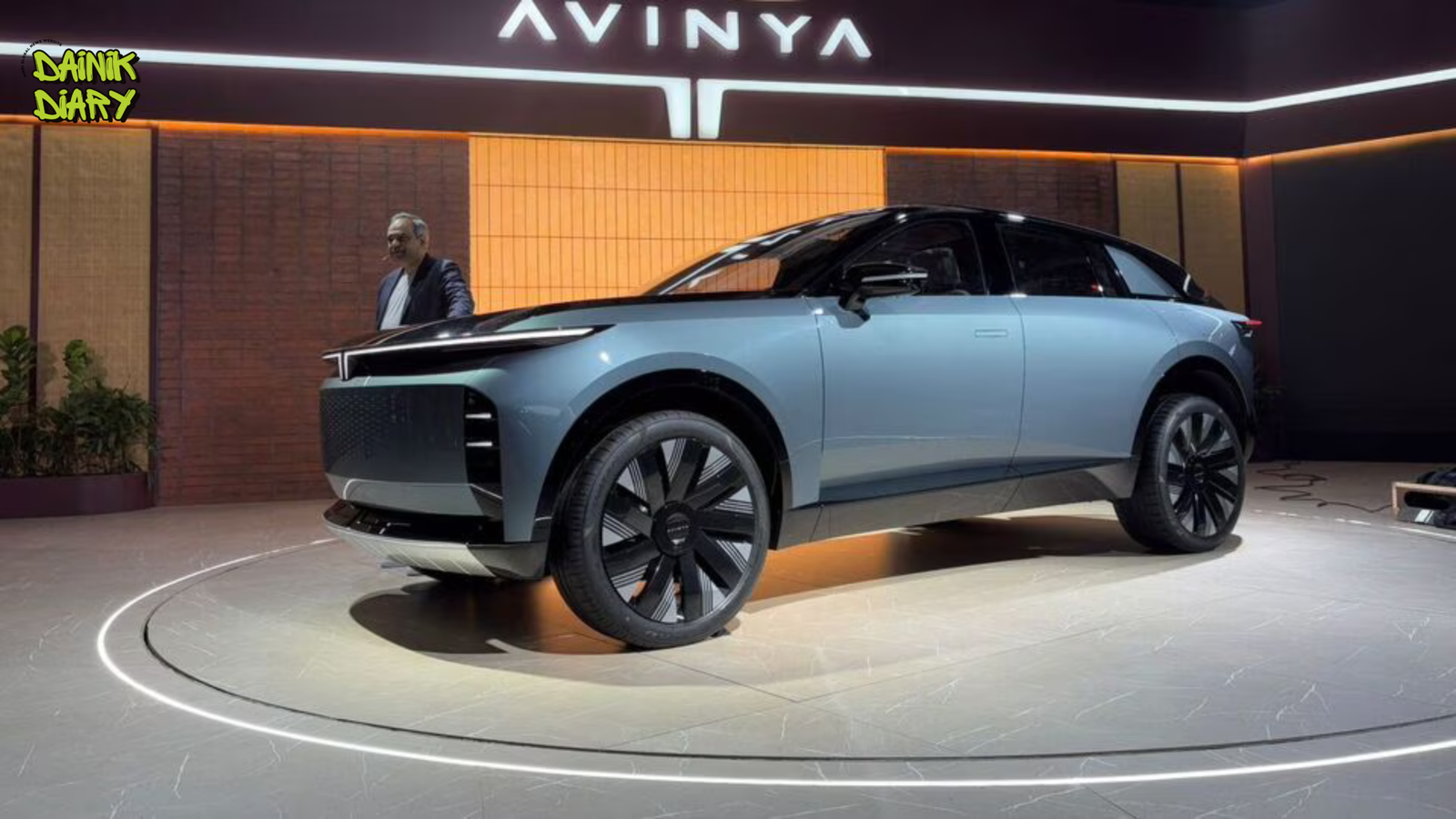
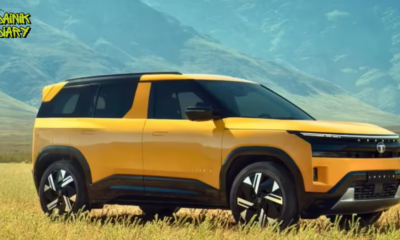
In a significant strategic shift that has caught the attention of the global auto industry, Tata Motors has confirmed that its upcoming premium electric vehicle, the Tata Avinya X, will now be developed on the Chery Jaguar Land Rover Freelander EV platform instead of the previously planned Electric Modular Architecture (EMA).
The confirmation came directly from Shailesh Chandra, MD and CEO of Tata Passenger Electric Mobility, during the company’s investor day held on June 23.
This change marks a notable recalibration in Tata’s premium EV roadmap and signals a stronger focus on cost efficiency, localisation, and faster time-to-market.
Why Tata changed its EV platform strategy
Originally, the Avinya series was expected to be built on Jaguar Land Rover’s EMA architecture. However, the shift to the Freelander EV platform suggests a more pragmatic approach.
Industry observers believe the decision is driven by three key factors:
- Faster development timelines
- Lower production and licensing costs
- Higher localisation potential for India-specific manufacturing
With India emerging as one of the most competitive EV markets, pricing control has become a crucial factor for success in the premium segment.
Read More- Looking for a Powerful 250cc Bike? These 5 Motorcycles Deliver Over 25 BHP and One of Them Packs a Serious Punch
Manufacturing likely at Chennai Ford plant
The Avinya X is expected to be produced at Tata’s recently acquired former Ford manufacturing facility near Chennai. This plant is likely to be developed into the company’s premium EV hub.
By localising a large portion of components, Tata aims to keep costs under control while maintaining global product quality standards.
This strategy mirrors global automakers who are increasingly shifting high-end EV production closer to demand markets to reduce supply chain risks.
Avinya: Tata’s premium EV identity
The Avinya brand was first introduced as Tata’s dedicated premium electric vehicle identity. Over time, it has evolved into a full-fledged sub-brand focusing on futuristic design, advanced technology, and a luxury-oriented customer experience.
The Avinya X will be the first production model under this umbrella for the Indian market.
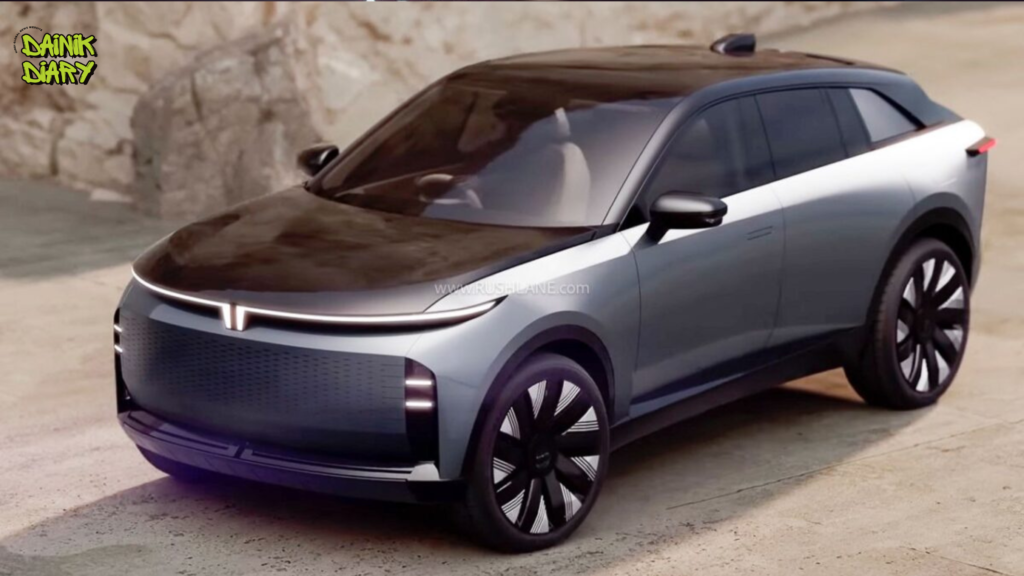
Tata is also planning a completely separate retail ecosystem for Avinya, featuring boutique-style showrooms and a “phygital” (physical + digital) customer experience model.
Launch timeline: Early 2027 debut expected
The Tata Avinya X is scheduled to hit the market in early 2027. Industry insiders suggest that it could also take a centre stage reveal at the 2027 Bharat Mobility Global Expo, where India’s next-generation mobility vision will be showcased.
The timeline gives Tata enough room to fine-tune design, technology integration, and production scaling before entering the premium EV segment aggressively.
What this means for India’s EV future
The platform shift is not just a technical update—it reflects a broader transformation in India’s EV ambitions.
By combining global architecture with local manufacturing strength, Tata Motors appears to be positioning the Avinya X as a globally competitive product built for Indian conditions.
If executed well, the Avinya X could become one of the most important EV launches in India’s premium automotive space, directly competing with international electric SUVs entering the market in the same timeframe.
For now, the message from Tata Motors is clear: the future of Avinya will be smarter, more cost-efficient, and deeply rooted in India’s evolving EV ecosystem.