
Business
Ola Electric’s losses shrink, but revenue drops 45%… Can its turnaround strategy power a stronger comeback?
The EV maker reported a narrower quarterly loss despite a steep fall in revenue, while stronger vehicle registrations, higher deliveries and cost optimisation signalled signs of recovery after a major operational overhaul.

Ola Electric has reported mixed financial results for the first quarter of FY27, with its consolidated net loss narrowing significantly even as revenue from operations witnessed a sharp year-on-year decline.
The Bengaluru-based electric vehicle manufacturer posted a consolidated net loss of ₹336 crore for the quarter ended June, improving from ₹428 crore in the corresponding period last year. However, revenue from operations fell 45% year-on-year to ₹455 crore, compared with ₹828 crore in the same quarter of the previous financial year.
Despite the revenue decline, the company believes its latest results reflect the early impact of a major operational restructuring carried out during FY26.
Cost-cutting strategy begins to show results
Ola Electric said its aggressive cost optimisation programme has helped improve operational efficiency. The company’s EBITDA loss narrowed to ₹165 crore, down from ₹237 crore a year earlier, while operating expenses declined substantially on a sequential basis.
Read More- Who Is Air India’s New CEO Tewolde Gebremariam? The Aviation Veteran Who Turned Ethiopian Airlines Into a Global Success Story
According to the company, quarterly operating costs have been brought down significantly, with management continuing to target a steady operating expense base of around ₹300 crore per quarter.
The improvement comes after the company streamlined operations and focused on improving productivity across multiple business functions.
Registrations and deliveries gather momentum
While annual comparisons remained weak, Ola Electric highlighted a strong sequential recovery in its automotive business.
Vehicle registrations surged 97% quarter-on-quarter, outperforming the broader electric two-wheeler industry’s growth during the same period. The company’s market share also improved from 5.1% in the previous quarter to 8.4%.
Customer demand also strengthened, with orders nearly doubling to around 44,000 units, while deliveries increased to approximately 39,200 vehicles during the quarter.
Higher deliveries helped automotive revenue grow sharply on a sequential basis, signalling improving momentum after the company’s restructuring efforts.
Healthy margins despite industry challenges
Even amid fluctuating raw material prices and a competitive market, Ola Electric maintained an automotive gross margin of 30.5%.
The company said this performance reflects the strength of its product portfolio and manufacturing efficiencies, placing it among the stronger performers in India’s electric two-wheeler segment in terms of gross profitability.
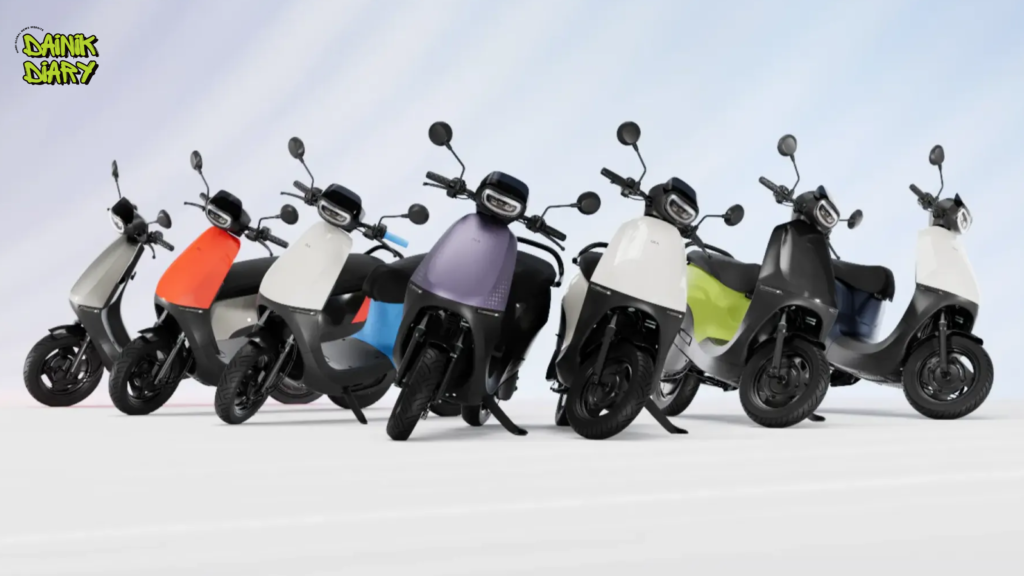
Management also credited the wider use of artificial intelligence across sales, vehicle registration and order fulfilment processes for improving operational execution and scalability.
Battery manufacturing project moves ahead
Another major milestone for the company is its battery manufacturing business.
Ola Electric confirmed that its Gigafactory is expected to begin operations with an initial 6 GWh production capacity by September. The company is also expanding the use of its in-house battery technology across its vehicle lineup.
Its 4680 NMC Bharat Cell has already been introduced in performance-oriented electric scooters, while the 46100 LFP battery cell has received Bureau of Indian Standards (BIS) certification for future mass-market applications.
Focus remains on profitability and growth
Looking ahead, Ola Electric says it will continue focusing on increasing market share, improving operational efficiency through technology and scaling production to move closer to sustainable profitability.
As electric mobility adoption continues to grow across India, the company believes its leaner cost structure, expanding battery capabilities and improving sales momentum could strengthen its position in the competitive EV market.
While the latest quarterly numbers still highlight the challenges facing the business, the narrowing losses and sequential recovery suggest Ola Electric is attempting to steer its turnaround strategy in the right direction.