
Business
IndiGo Ends Dreamliner Era From October… Air India Set to Become India’s Only Twin-Aisle Airline for Over a Year
Geopolitical tensions, rising fuel prices, airspace restrictions, and currency pressure have prompted IndiGo to withdraw its leased Boeing 787 operations, reshaping India’s long-haul aviation landscape.


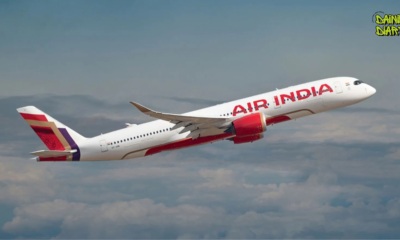
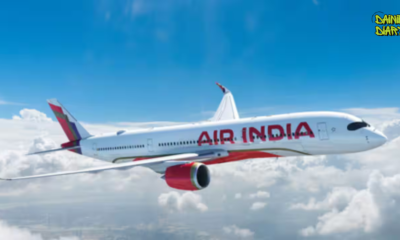
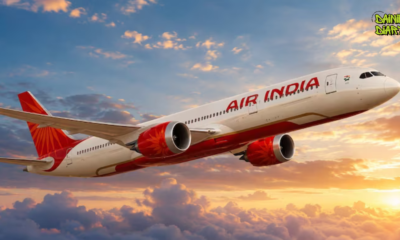
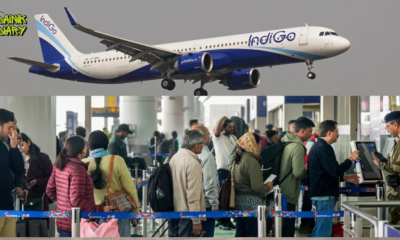
India’s long-haul aviation market is set for a major shift later this year as IndiGo has announced that it will discontinue operations of its leased Boeing 787 Dreamliner fleet from October 25, 2026. The decision means Air India will become the only Indian airline operating twin-aisle wide-body aircraft for what could be more than a year.
The move comes after IndiGo reviewed its international expansion plans amid mounting operational challenges, including geopolitical tensions, restricted airspace, higher fuel prices, and a weaker Indian rupee.
Why IndiGo Is Grounding Its Leased Dreamliners
IndiGo had entered the wide-body segment by wet leasing Boeing 787-9 Dreamliners from Norse Atlantic Airways. The arrangement allowed the airline to launch long-haul services to Europe while preparing for its own fleet of Airbus A350-900 aircraft.
However, the operating environment has changed significantly since those plans were announced.
Read More- Inside IndiGo’s Pilot Hiring Puzzle: 18,000 More Flights, Just 330 New Pilots… What’s Driving the Gap?
According to the airline, multiple geopolitical developments have made international operations more expensive and less efficient. Airspace restrictions affecting Indian carriers, especially following the closure of Pakistani airspace, combined with tensions linked to the US-Iran conflict, have increased flight times and operating costs. Rising aviation fuel prices and the depreciation of the rupee have added further pressure on profitability.
As a result, IndiGo will conclude its damp lease agreement with Norse Atlantic Airways by October 31, 2026.
London Heathrow Flights to Pause
As part of the restructuring, IndiGo will temporarily suspend its flights to London Heathrow Airport from October 25.
The airline said these services will resume only after it starts receiving its own Airbus A350-900 aircraft, which are expected to join the fleet from mid-2028.
Meanwhile, IndiGo will continue serving Amsterdam from Mumbai, but instead of using wide-body aircraft, it plans to deploy the new Airbus A321XLR, an extra-long-range single-aisle aircraft designed for thinner long-haul routes.

Passengers affected by the suspension will be offered alternate travel arrangements or refunds, according to the airline.
Strategic Shift Ahead of New Leadership
The announcement comes just before former British Airways CEO Willie Walsh is set to take over a leadership role at IndiGo.
Walsh is widely recognised in the aviation industry for his cost-focused management style, and the decision to discontinue leased wide-body operations is already being viewed by many industry observers as a sign of a more disciplined approach to network planning and resource allocation.
IndiGo Says Long-Haul Plans Remain Intact
Despite stepping back from its leased Dreamliner programme, IndiGo insists that its long-term international ambitions remain unchanged.
Abhijit Dasgupta, Senior Vice President of Planning and Revenue Management at IndiGo, said the project was never intended solely to operate specific routes. Instead, it was designed to build operational expertise ahead of the airline’s future long-haul expansion.
He added that the experience gained from operating the Dreamliners and the positive response from customers have strengthened the airline’s confidence in its international growth strategy.
Air India Gains a Temporary Advantage
With IndiGo exiting the wide-body segment for now, Air India will become the country’s sole operator of twin-aisle aircraft, giving the Tata Group-owned airline a temporary advantage on long-haul international routes.
The development highlights how global geopolitical events continue to reshape aviation strategies, forcing airlines to balance expansion ambitions with financial sustainability.
While IndiGo’s Dreamliner chapter may be ending for now, its long-haul journey is expected to resume once its new Airbus A350 fleet begins arriving in the coming years.







Pingback: Piyush Goyal Proposes India-Uzbekistan Free Trade Agreement… Sets Ambitious Target To Double Bilateral Trade In 3 Years - Dainik Diary - Authentic News