India News,
Air India pilot removed from Zurich-Delhi flight over alcohol use: AI 151 grounded after pre-flight test… what happened next?
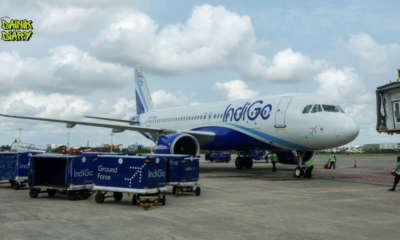
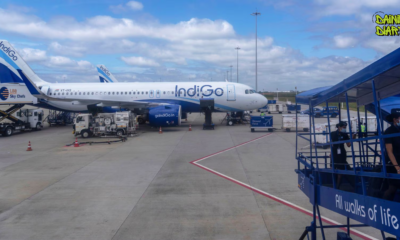
A pilot operating Air India flight AI 151 from Zurich to Delhi was removed before departure after authorities found his blood alcohol level above the permissible limit, triggering action by Swiss aviation authorities and scrutiny from India’s DGCA.

A scheduled Air India flight from Zurich to Delhi was disrupted after the pilot was removed from the aircraft shortly before departure following an alcohol-related violation.
The incident involved Air India flight AI 151, which was scheduled to operate from Zurich to Delhi. According to a report by The Economic Times, the pilot was found to have consumed alcohol before the flight and was subjected to a sobriety test after airport ground staff alerted authorities.
The test reportedly showed a blood alcohol level above the permissible limit for pilots. As a result, the pilot was taken off the flight and AI 151 could not operate as scheduled. Swiss aviation authorities subsequently took action under local regulations and informed India’s aviation regulator, the Directorate General of Civil Aviation (DGCA).
What happened at Zurich Airport?
The incident reportedly began when ground personnel at Zurich Airport noticed signs that raised concerns about the pilot’s condition before departure.
Authorities were alerted, and the pilot underwent a sobriety examination. The reported result indicated that his blood alcohol concentration exceeded the permitted level.
The Swiss Federal Office of Civil Aviation (FOCA) confirmed that action had been taken against the pilot under Swiss regulations.
FOCA also confirmed that AI 151 could not be operated as planned and said responsibility for further handling of the case rests with the DGCA as the regulator of the airline’s home country.
Air India had not issued a detailed public statement on the incident at the time of the latest report.
Why the incident is significant
Commercial aviation operates under strict rules concerning alcohol and flight crew. Even a relatively small violation can prevent a pilot from operating a flight because cockpit crews are required to be fit to fly and free from impairment.
The Zurich incident is particularly notable because it occurred before departure from a foreign airport, where the procedures and jurisdiction can differ from those governing flights departing India.
The involvement of Swiss authorities means the pilot’s actions were dealt with initially under Swiss regulations, while the DGCA remains the competent authority for regulatory action concerning the Indian airline and its crew.

Air India pilots already facing scrutiny
The Zurich incident comes at a time when another Air India pilot has been under investigation following a serious Phuket-Delhi flight incident.
On August 4, Air India flight AI2379, an Airbus A320neo flying from Phuket to Delhi, experienced a sudden altitude upset while cruising at around 36,000 feet. The aircraft gained altitude briefly before dropping by roughly 292 feet from its assigned flight level, according to a preliminary report from the Aircraft Accident Investigation Bureau (AAIB). The incident left 20 passengers and four crew members injured.
The investigation later revealed that all three hydraulic systems experienced a brief loss of pressure, followed by an autopilot disengagement and other flight-control warnings. The systems recovered within seconds, allowing the aircraft to regain normal control.
Pilot’s psychoactive-substance test became another issue
The Phuket-Delhi case also took a separate turn when the pilot-in-command’s post-flight screening for psychoactive substances produced a result requiring confirmatory testing.
The subsequent reporting said the confirmatory test was positive for marijuana. The AAIB’s preliminary findings described the confirmation of psychoactive-substance use as a serious concern and recommended appropriate action by the DGCA. Importantly, the preliminary report did not establish that the substance finding caused the altitude incident; the detailed investigation remained ongoing.
Reports also said the pilot told investigators that he had experienced sleep difficulties and had been taking prescribed medication. Sources cited by Hindustan Times said he reported sleeping for around 30 to 35 minutes during the flight.
Air India subsequently terminated that pilot following the preliminary AAIB findings.
Two separate incidents, one growing aviation-safety focus
The Zurich case and the Phuket-Delhi case are separate incidents and involve different circumstances. The first concerns an alleged pre-flight alcohol violation, while the second involved an in-flight altitude upset accompanied by a separate post-flight psychoactive-substance finding.
Still, both cases have placed renewed attention on cockpit safety, crew fitness and the regulatory safeguards surrounding airline pilots.
For passengers, the Zurich incident also highlights why pre-flight checks and intervention by airport personnel can be critical. In this case, the pilot was reportedly removed before the aircraft departed, preventing the affected crew member from operating the flight.
The case is now likely to be handled through the relevant Swiss and Indian regulatory processes, with the DGCA expected to determine any further action concerning the pilot under Indian aviation rules.