Automobile
BYD India Shock Price Hike: Up to ₹1 Lakh Costlier EVs From July 1… Is Your Dream Electric Car About to Slip Away?
Electric car buyers in India face a fresh setback as BYD India raises prices across select EV models including the Atto 3, Seal, and Sealion 7, citing rising costs and continued expansion investments.

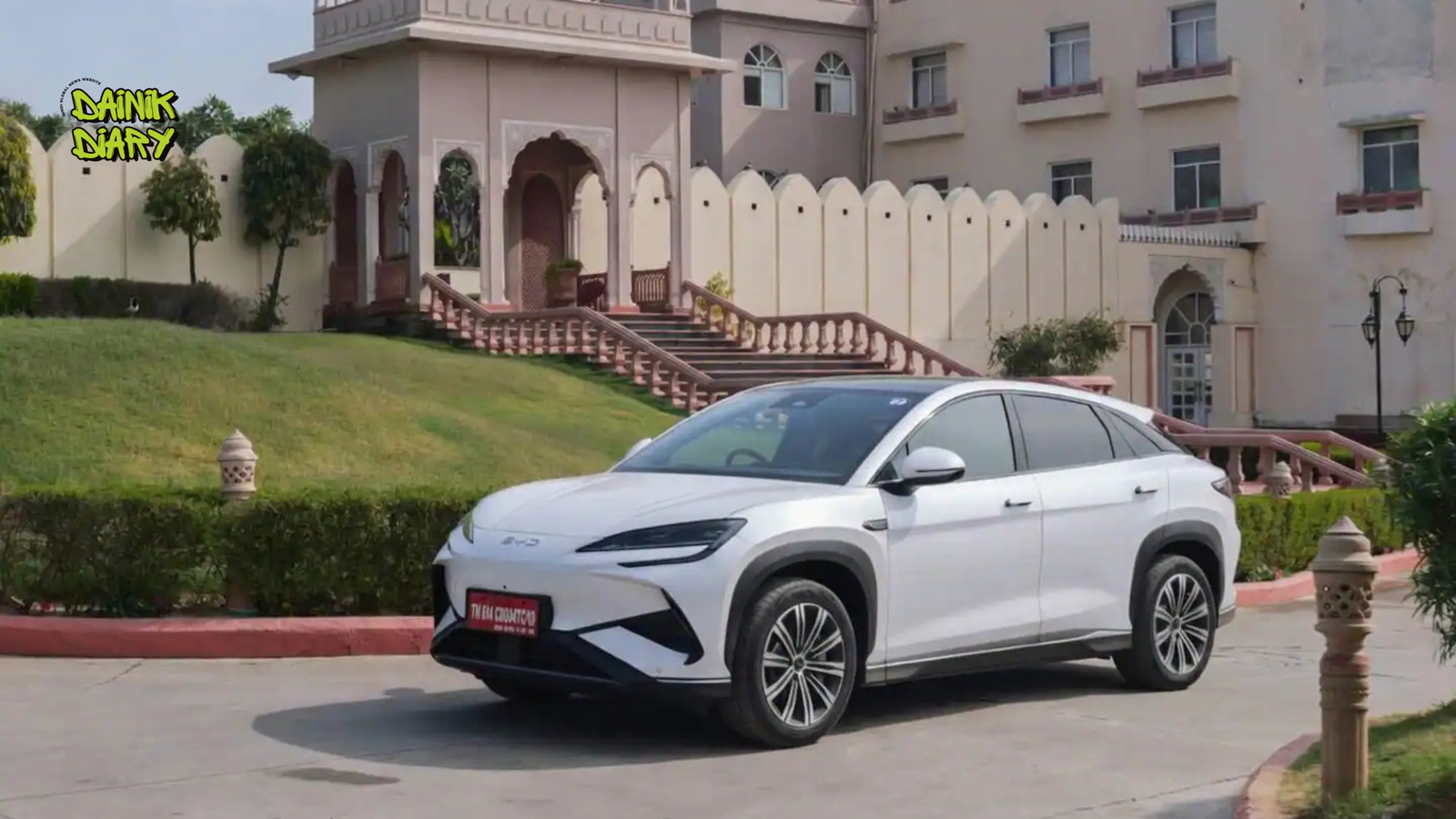
In a move that is set to impact India’s growing electric vehicle market, BYD India has officially announced a price revision across its passenger EV lineup. Effective July 1, 2026, select models will become costlier by up to ₹1 lakh, marking another notable shift in the country’s competitive electric mobility space.
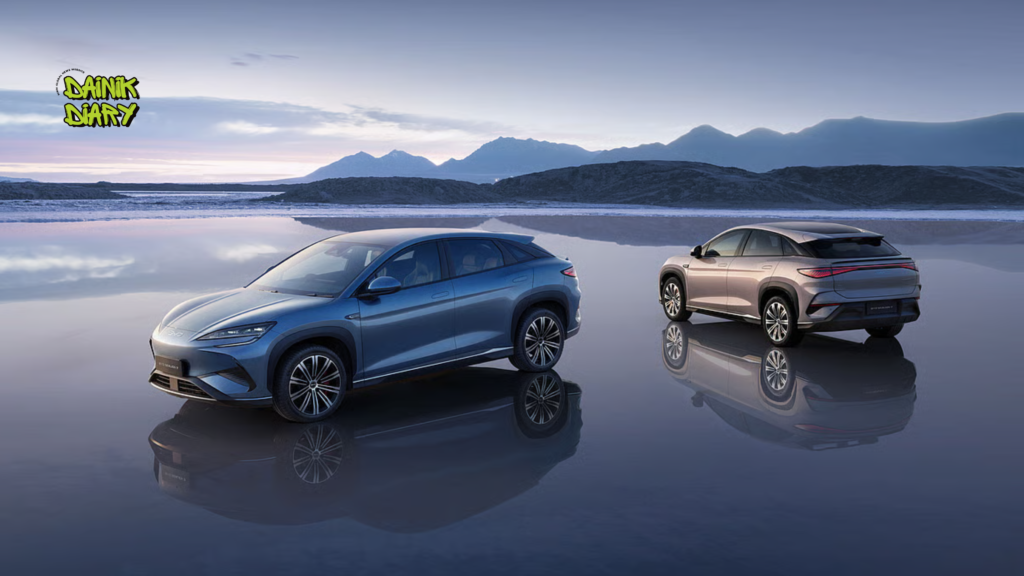
The price hike ranges between ₹50,000 and ₹1,00,000, depending on the variant. The revision affects key models such as the BYD Atto 3, BYD Seal, and BYD Sealion 7. However, not all variants are impacted—certain trims of the Atto 3 and the BYD eMAX 7 continue to remain at their existing prices, offering some relief to potential buyers.
According to the company, the decision comes amid a combination of rising input costs, ongoing inflationary pressure, and continued investments in strengthening its Indian operations. The brand has been steadily expanding its dealership network and service infrastructure, aiming to capture a larger share of India’s fast-growing EV segment.
Alongside the price revision, BYD has also introduced new Comfort variants of the eMAX 7, priced from ₹27.90 lakh. These new trims come equipped with a larger 71.8 kWh battery pack, positioning the MPV as a more practical and long-range family EV option for Indian roads.
Read More- Best SUVs under ₹15 Lakh in india (2026): From Mahindra Scorpio to hyundai creta, Top picks for every buyer
Speaking on the development, Rajeev Chauhan, Head of Electric Passenger Vehicles (EPV) Business at BYD India, said the company has received “encouraging customer response” across its EV portfolio. He added that BYD continues to focus on “technology, customer experience, and network expansion” while maintaining a strong ownership ecosystem.
Industry experts note that BYD’s decision is not an isolated one. The Indian automotive sector has been witnessing a wave of price revisions in recent months. Major manufacturers such as Maruti Suzuki, Tata Motors, Mercedes-Benz, and Kia India have also adjusted prices across various models, largely due to rising production costs and global supply chain pressures.
For Indian EV buyers, this announcement adds another layer of uncertainty in a market that is still finding its pricing stability. While demand for electric vehicles continues to rise, affordability remains a key factor—and even small hikes could influence buying decisions in the coming months.
As the EV race intensifies, BYD India appears focused on long-term positioning rather than short-term price competitiveness, betting on technology, range, and premium features to hold its ground in an increasingly crowded market.