Technology
Samsung Galaxy S27 Ultra May Miss Its Rumoured ‘iPhone-Like’ Face Unlock Upgrade… Here’s What Samsung Could Use Instead
A new leak suggests Samsung has no current plans to introduce Polar ID or dedicated 3D facial-recognition hardware on the Galaxy S27 Ultra, despite earlier reports of the technology being tested.

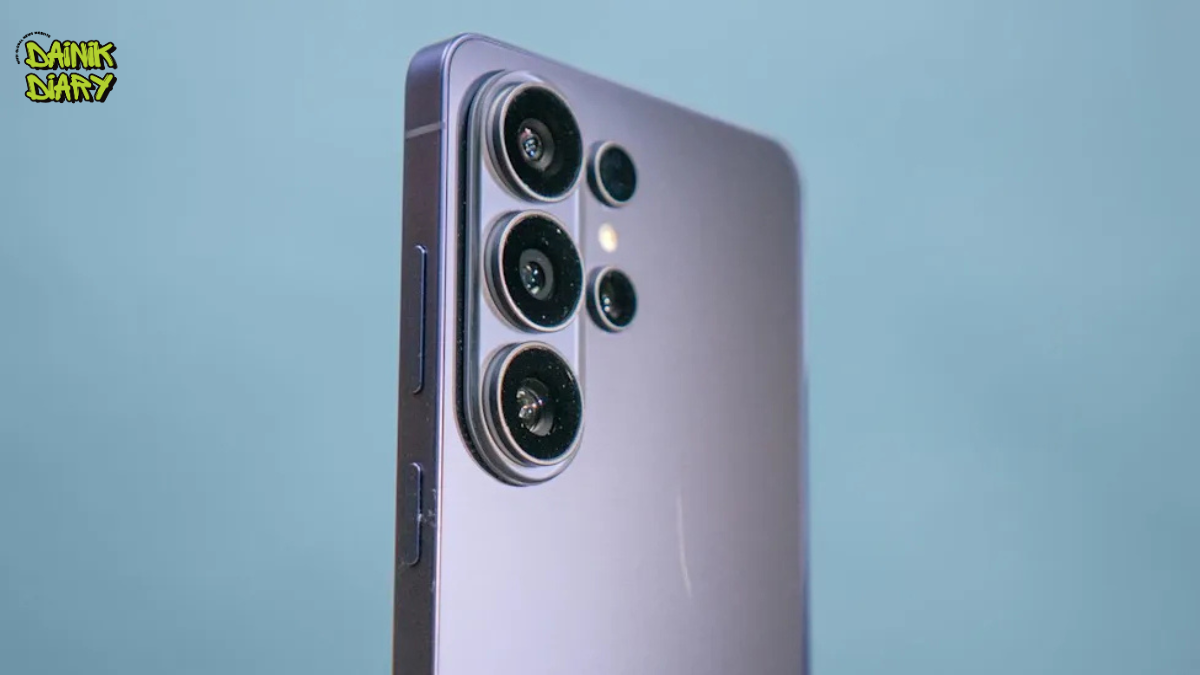
Samsung Galaxy S27 Ultra may not receive one of the most interesting security upgrades previously rumoured for the upcoming flagship.
Earlier reports had raised expectations that Samsung could introduce Polar ID, an advanced facial-authentication technology capable of providing secure 3D face recognition without requiring a large display cutout. A fresh leak, however, suggests those plans may not materialise with the Galaxy S27 Ultra.
Tipster kro (@kro_roe) claims there are currently no indications that Samsung intends to bring Polar ID to its next-generation Ultra smartphone.
More significantly, the tipster claims Samsung does not appear to be preparing dedicated facial-recognition hardware for its upcoming Galaxy devices.
If accurate, Samsung could continue relying on the authentication combination Galaxy users already know well.
What exactly is Polar ID?
The rumours surrounding the technology emerged after reports indicated that Samsung’s System LSI division had experimented with Metalenz’s Polar ID technology.
Polar ID uses polarisation sensing and optical metasurfaces to analyse facial characteristics. One of its potential advantages is the ability to provide more sophisticated facial authentication without requiring the kind of sizeable display cutout associated with some existing 3D face-scanning systems.
That made the technology particularly interesting for future Galaxy Ultra devices, where Samsung has consistently pursued displays with minimal interruptions.
However, there is an important distinction between testing a technology and putting it inside a commercial smartphone.
Samsung testing Polar ID never guaranteed an S27 Ultra launch
Samsung System LSI works on technologies including semiconductor components and image sensors, while the company’s Mobile eXperience (MX) division is responsible for developing consumer Galaxy smartphones.
Therefore, experimental work undertaken by System LSI doesn’t necessarily mean the technology will be adopted by Samsung’s smartphone division.
Metalenz has also reportedly worked with Samsung’s ISOCELL Vizion team, which added further fuel to speculation that Polar ID could eventually find its way into a Galaxy flagship.
The latest leak now suggests that even if Samsung continues exploring the technology internally, the Galaxy S27 Ultra may arrive without it.
How will Galaxy S27 Ultra unlock instead?
Samsung is expected to retain its familiar in-display ultrasonic fingerprint sensor as the primary secure biometric authentication method.
ALSO READ : iPhone 17 Pro Costs Indians 160 Workdays of Salary, While Workers in These Countries Need Just 3 Days to Buy It
The company could also continue providing camera-based face unlock for convenience.
While conventional camera-based facial recognition can make unlocking a smartphone quick and effortless, dedicated depth-sensing hardware can offer a different level of biometric capability.
Skipping additional facial-recognition hardware could have another advantage for Samsung: lower production costs.
Samsung could be carefully controlling S27 Ultra costs
Cost management may become an important part of Samsung’s strategy for the Galaxy S27 Ultra.
Reports suggest the company is considering other hardware adjustments, including potentially consolidating telephoto camera modules while attempting to maintain or improve overall imaging performance.
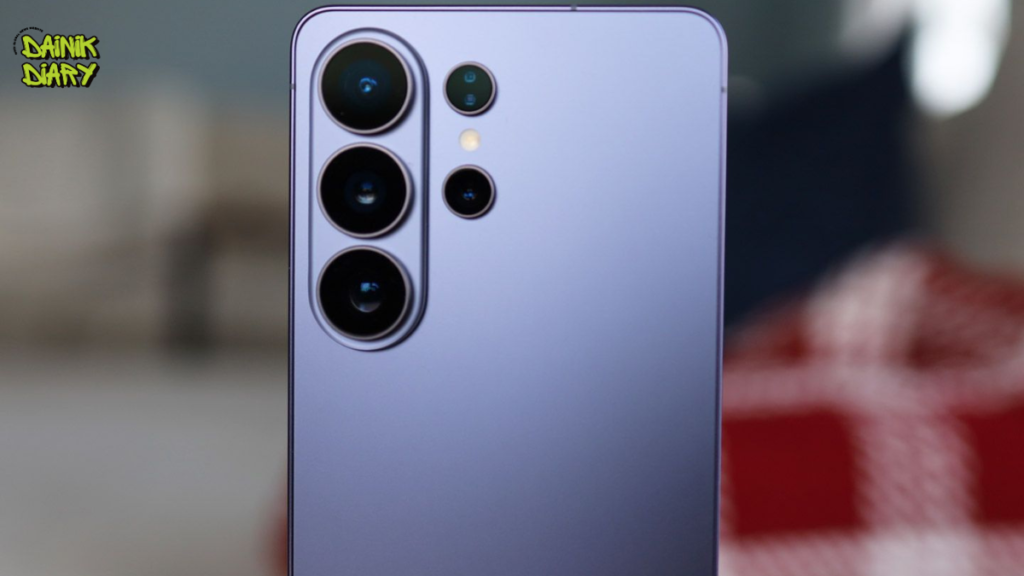
Such decisions could help Samsung manage component costs without pushing the flagship’s retail price significantly higher.
That doesn’t necessarily mean the Galaxy S27 Ultra will receive fewer meaningful upgrades. Instead, Samsung could prioritise improvements that deliver a more noticeable everyday benefit while avoiding expensive components that may not significantly change how most consumers use the phone.
Could Polar ID still appear on another Samsung phone?
The latest information does not necessarily mean Polar ID is dead for Samsung Galaxy smartphones.
Samsung’s reported experimentation indicates the company has at least explored what the technology can offer. Development plans can also change before future devices enter mass production.
For now, however, there is no official confirmation from Samsung that Polar ID will appear on the Galaxy S27 Ultra or any other Galaxy smartphone.
The current information is based on leaks and reports and should therefore be treated as unconfirmed until Samsung announces the device and its biometric features.
If the latest leak proves accurate, the Galaxy S27 Ultra could stick with a more familiar formula: an ultrasonic fingerprint scanner for secure authentication and camera-based facial recognition for convenience.
For anyone hoping Samsung’s next Ultra would finally receive a major 3D face-unlock overhaul, that could be disappointing. But the bigger question is whether Polar ID would have meaningfully improved the Galaxy experience enough to justify its additional hardware and cost.