Technology
Samsung Galaxy S27 Could Get a Painful Price Hike: Why Waiting for the Next Big Sale May Not Save You Money
Rising memory costs are putting pressure on smartphone prices across India, and Samsung’s 2027 Galaxy S27 series could feel the impact as next-generation RAM and storage enter the flagship race.

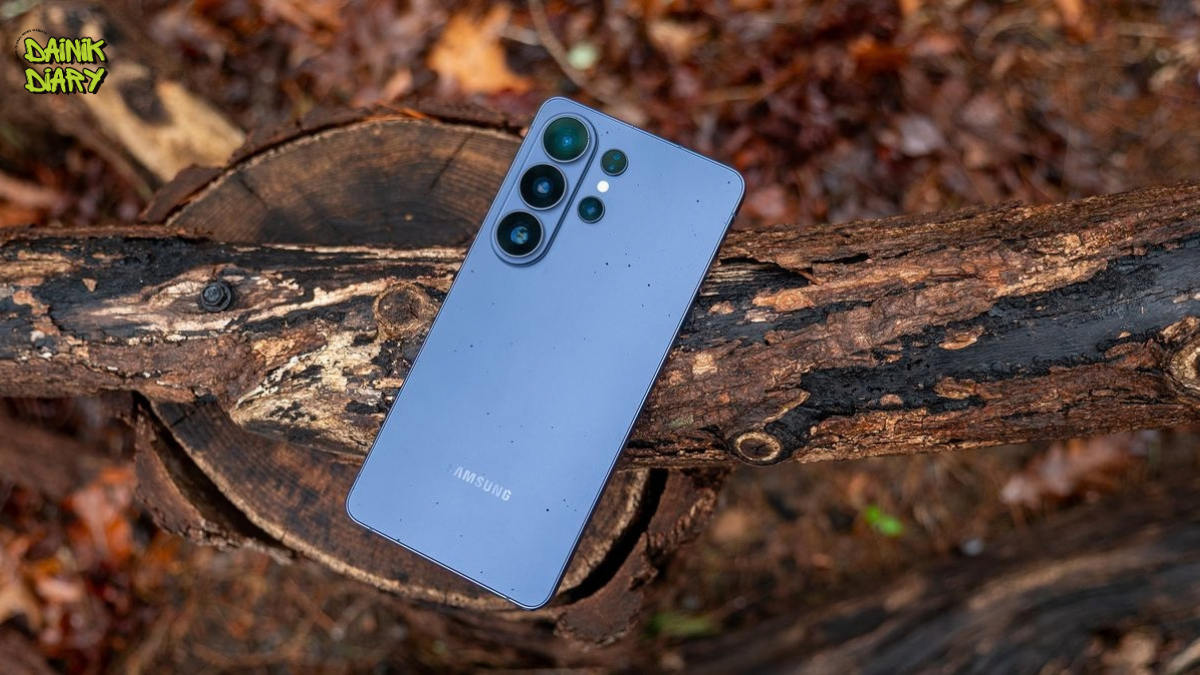
The familiar strategy of waiting a few months or holding out for the next festive sale before buying an expensive smartphone may not work quite as well this time.
A global surge in DRAM and NAND memory costs is reshaping smartphone economics, pushing manufacturing expenses higher and creating pressure on retail prices. The effects are already visible in the Indian smartphone market, while attention is now turning towards Samsung’s next flagship generation, the Galaxy S27 series.
Early leaks surrounding the 2027-bound phones point towards substantial hardware upgrades. However, with memory becoming an increasingly expensive part of a smartphone’s Bill of Materials (BoM), those improvements could potentially come with higher prices.
Importantly, Samsung has not announced Galaxy S27 pricing, and reports suggesting a starting price around ₹1.35 lakh remain speculation rather than confirmed information.
Galaxy S27 could bring next-generation memory
The Samsung Galaxy S27 series is expected to arrive in 2027, and leaks have already begun painting a picture of its possible hardware.
Reports suggest Samsung could again adopt a dual-chip strategy, using a next-generation Snapdragon flagship processor in some markets and its own Exynos 2700 in others. Recent leaks surrounding the Exynos 2700 suggest support for LPDDR6 memory, although specifications remain unofficial until Samsung announces the devices.
The Galaxy S27 family has also been tipped to adopt newer-generation storage and display technology. A possible combination of LPDDR6 RAM, next-generation UFS storage and upgraded OLED panels could improve performance and efficiency but potentially add to component costs.
Why are smartphone prices under pressure?
The bigger issue extends far beyond Samsung.
The rapid expansion of artificial intelligence infrastructure has driven enormous demand for advanced memory used by data centres and AI accelerators. Memory manufacturers have consequently been allocating more capacity towards lucrative high-bandwidth memory (HBM), tightening supply for conventional consumer electronics.
According to Counterpoint Research, smartphone memory prices jumped by more than 80% quarter-on-quarter during Q2 2026. Its estimates indicate that premium smartphone BoM costs increased nearly 50% year-on-year, with DRAM overtaking the processor as the most expensive individual component in its reference premium configuration.
That is a major shift for an industry where memory was once a comparatively predictable part of manufacturing costs.
Memory is eating a much bigger slice of the smartphone budget
The problem becomes clearer when looking at how much of a phone’s manufacturing budget now goes towards memory.
Counterpoint previously estimated that high-capacity flagship configurations could see memory account for 20% or more of total BoM costs as prices rise.
The situation can be even more severe further down the market. Analysis reported by The Indian Express indicated that memory could represent around 43% of the BoM of certain smartphones priced below ₹20,000.
For manufacturers, there are only so many ways to respond: absorb the additional cost and sacrifice margins, reduce specifications elsewhere, limit production or pass at least part of the increase on to consumers.
Could the Galaxy S27 really start at ₹1.35 lakh?
A recent report discussing the upcoming Galaxy S27 suggested that its base model could potentially reach around ₹1,35,000 if component pressures continue. That figure should be treated as an estimate, not an official or confirmed Samsung price.
The final price will depend on several factors, including Samsung’s component sourcing, memory contracts, product configuration, currency movements and regional pricing strategy.
ALSO READ : Realme P4R 5G with 8000mAh Battery… Is This the ‘Budget Battery Monster’ Set to Dominate 2026?
What has stronger supporting evidence is the underlying cost pressure. Memory shortages have already contributed to smartphone price increases in India, with Counterpoint data cited by TechCrunch showing price increases ranging widely depending on the model.
The memory shortage may not disappear in 2027
Consumers hoping that prices will simply return to normal next year may have another reason to be cautious.
Industry participants are preparing for memory supply constraints to persist into 2027, while Reuters reported that SK Hynix expects 2027 could be particularly difficult from a supply-capacity perspective.
TrendForce has similarly reported sustained increases in smartphone memory contract prices, with AI-server demand tightening allocations of mobile DRAM and NAND and placing pressure on device manufacturers.
That does not mean every smartphone will automatically become more expensive, or that discounts will disappear. Brands can still use bank offers, inventory clearance, exchange bonuses and temporary promotional pricing to make devices cheaper during major sales.
However, a higher underlying retail price can reduce the real value of those discounts.

Waiting for a sale may no longer guarantee the lowest price
For years, Indian buyers have become accustomed to waiting for events such as Flipkart’s Big Billion Days and Amazon’s Great Indian Festival before purchasing premium smartphones.
The memory crunch complicates that equation.
If manufacturers raise official prices or retailers receive newer inventory at higher costs, a future “discounted” price could theoretically remain above what the same phone cost several months earlier.
India is particularly exposed to these pressures because of its enormous price-sensitive smartphone market. Counterpoint data showed Indian smartphone shipments falling 10% year-on-year in the April-June 2026 quarter, as higher memory costs contributed to increasing handset prices.
Galaxy S27’s biggest upgrade could come with an unwanted surprise
There is still considerable time before Samsung officially unveils the Galaxy S27 series, so leaked specifications and price estimates should not be treated as final.
But the underlying industry trend is already happening.
Next-generation LPDDR6 RAM, faster storage and more powerful processors could make 2027 flagships substantially more capable. At the same time, a prolonged memory shortage could make delivering those upgrades at familiar prices increasingly difficult.
For buyers, that means the most important number surrounding the Galaxy S27 may eventually be neither its benchmark score nor camera resolution but the figure Samsung puts on the price tag.