
Politics
Delimitation Row Deepens in Tamil Nadu: 37 MPs Skip CM Vijay’s All-Party Meet, Opposition Calls It a ‘Diversion’
DMK, AIADMK and several regional parties boycott the meeting convened by Chief Minister Vijay, questioning its timing amid the ongoing Cauvery water dispute and uncertainty over the proposed Delimitation Bill.

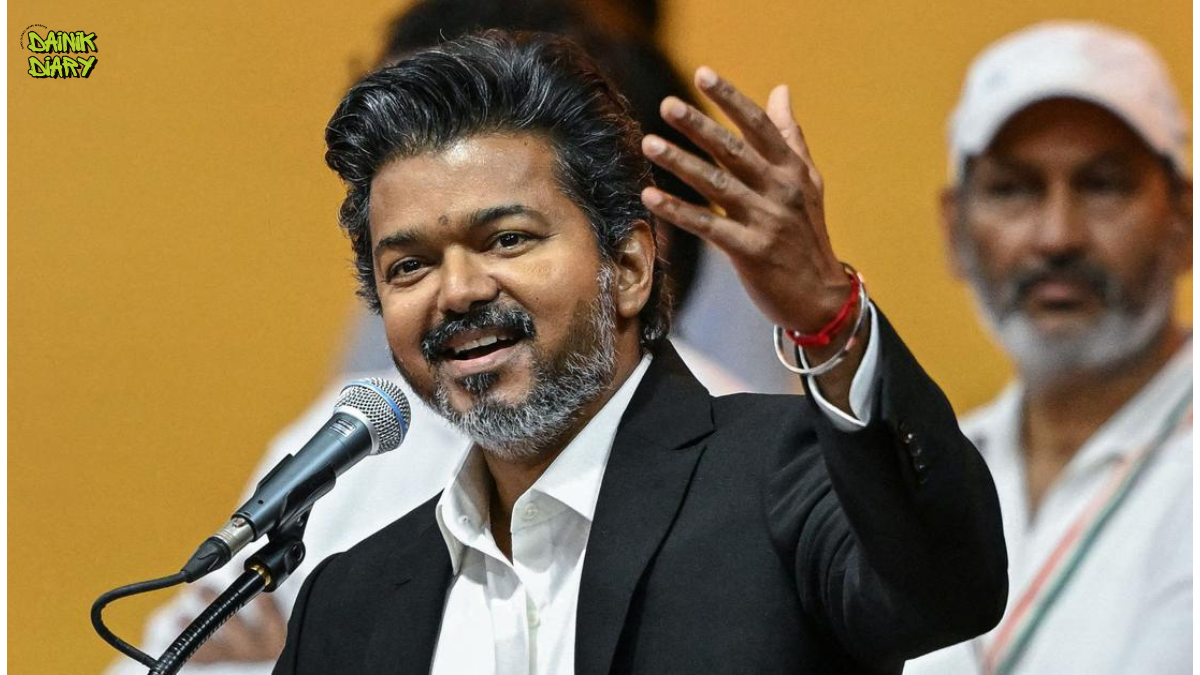
Chennai: A major political setback confronted Tamil Nadu Chief Minister Vijay Joseph on Saturday after a large majority of the state’s Members of Parliament chose to stay away from an all-party meeting convened to discuss the proposed Delimitation Bill 2026 and its possible implications for the southern state.
The meeting, called to formulate a united response to the proposed delimitation exercise, witnessed limited participation, with only 20 out of Tamil Nadu’s 57 MPs expected to attend. The absence of 37 MPs, including lawmakers from the state’s two largest Dravidian parties, highlighted the deep political divisions surrounding the issue.
The proposed delimitation exercise has sparked debate across southern India due to concerns that states which successfully controlled population growth could face a relative reduction in parliamentary representation compared to faster-growing northern states.
ALSO READ : ‘PM Enjoys Playing the Victim Card’: Jairam Ramesh Demands Modi’s Apology Over NEET, Ram Mandir Trust Row and Demonetisation
Major Parties Stay Away
The boycott was led by the Dravida Munnetra Kazhagam (DMK), which kept all its 30 MPs away from the meeting. The All India Anna Dravida Munnetra Kazhagam (AIADMK) also stayed out, with its four MPs declining to participate.
Several other parties, including the Pattali Makkal Katchi (PMK), Makkal Needhi Maiam (MNM) and Desiya Murpokku Dravida Kazhagam (DMDK), also chose not to attend.
Those who participated were largely from the Congress and its allied parties. Congress lawmakers formed the largest group among attendees, while representatives from the Viduthalai Chiruthaigal Katchi (VCK), Communist Party of India (CPI), Communist Party of India (Marxist), Marumalarchi Dravida Munnetra Kazhagam (MDMK) and the Indian Union Muslim League (IUML) were also expected to join the discussions.
Boycott Linked to Cauvery Controversy
Opposition parties accused the government of using the delimitation debate to shift attention away from the politically sensitive Cauvery water-sharing dispute.
Senior DMK leader and Member of Parliament Kanimozhi questioned the necessity of the meeting, arguing that there was no immediate reason for political consultations because the Union government had not officially introduced or announced the proposed legislation in Parliament.
She also pointed out that no revised draft of the bill had been made public, making discussions premature at this stage.

The criticism comes amid renewed debate over the long-standing Cauvery river dispute between Tamil Nadu and Karnataka, particularly regarding Karnataka’s proposed Mekedatu balancing reservoir project, which Tamil Nadu has consistently opposed. Chief Minister Vijay has recently advocated dialogue between the two states as a way forward.
Why Delimitation Matters
Delimitation refers to the redrawing of parliamentary and assembly constituency boundaries based on population changes. While the exercise is intended to ensure equal representation, several southern states fear they could lose political influence if seat allocation is revised solely on the basis of population figures.
The issue has become increasingly sensitive in Tamil Nadu, where political parties argue that states should not be penalised for successfully implementing population-control measures over the decades.
Political Message Beyond Attendance Numbers
Although the meeting proceeded with participation from a section of MPs, the widespread boycott underscored the challenges facing the state government in building a broad political consensus on delimitation.
With speculation continuing over when the Centre may introduce the Delimitation Bill 2026, the debate is expected to remain a major political issue in Tamil Nadu in the months ahead.
For now, however, the attendance figures have delivered a clear political message: despite concerns over delimitation, Tamil Nadu’s political parties remain deeply divided on how the state should respond.


