Politics
No FIRs Against Student Protesters, Government Assures Supreme Court; Cases Against 2,700 Others to Continue
The Centre tells the Supreme Court it will honour its assurance of not pursuing legal action against student protesters over the NEET issue, while maintaining that FIRs against individuals accused of serious offences during the Jantar Mantar protests will remain in force.

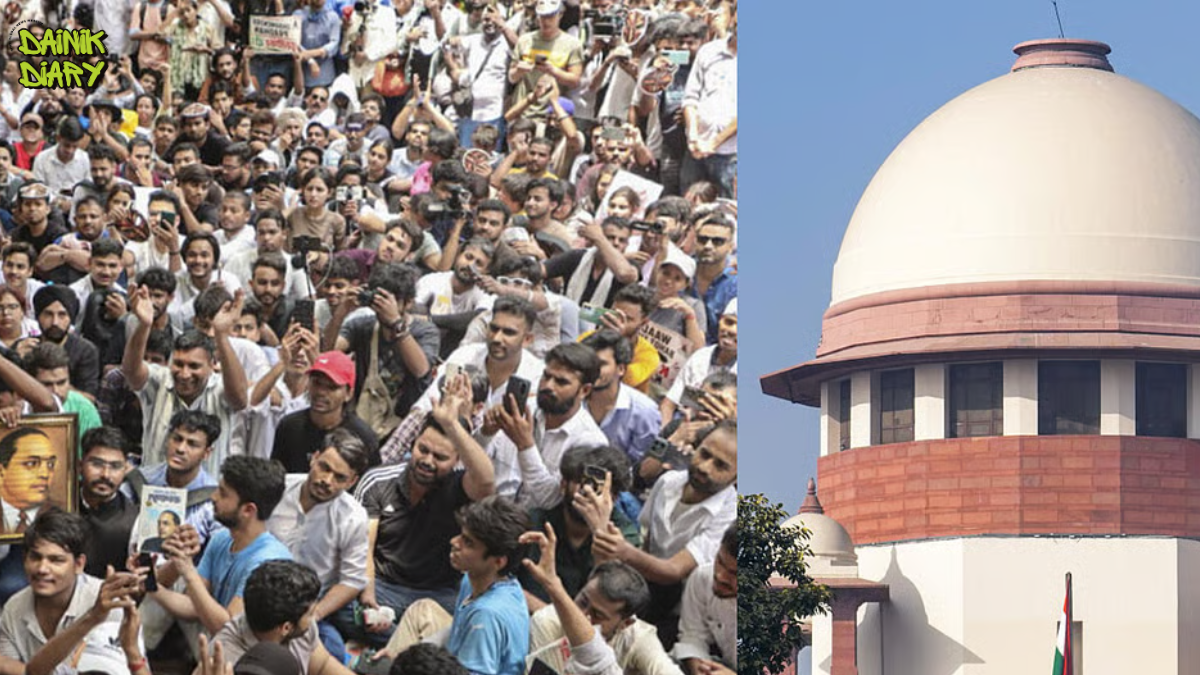
The Central Government on Monday informed the Supreme Court that no criminal cases would be pursued against students who participated in protests over the alleged NEET paper leak. However, it clarified that First Information Reports (FIRs) registered against more than 2,700 individuals accused of serious offences during the demonstrations would not be withdrawn.
The assurance came during the hearing of petitions alleging police excesses during the July 20 Parliament March in New Delhi.
Centre Reiterates Assurance to Student Protesters
Appearing for the Centre, Solicitor General Tushar Mehta told the court that the government remained committed to the assurance given to student protesters.“The government stands by its promise; there will be no FIRs against the students,” Mehta submitted before the Bench.
At the same time, he clarified that the assurance did not extend to individuals accused of serious criminal offences during the protests.
According to the Centre, FIRs registered against more than 2,700 people in connection with such allegations would continue in accordance with the law.
Supreme Court Stresses Accountability on All Sides
During the hearing, senior advocate Vrinda Grover sought clarity on whether FIRs registered against protesters would be withdrawn or quashed.
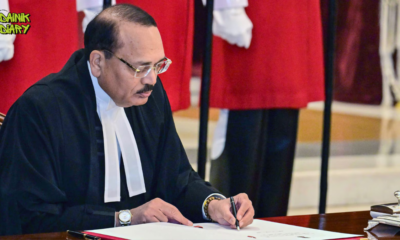
Responding to the submissions, Chief Justice of India (CJI) Surya Kant observed that accountability must apply equally to everyone.
The Chief Justice remarked that police personnel should not be protected if they had used excessive force during the protests. At the same time, he noted that individuals accused of serious criminal acts should not escape legal scrutiny merely by claiming participation in a student movement.
The matter has now been listed for further hearing on August 18.
Background of the Jantar Mantar Protest
The protests were organised by the Cockroach Janta Party (CJP) over alleged irregularities in the NEET examination process.
The demonstration at Jantar Mantar lasted for 36 days, with protesters demanding action on examination-related issues, protection from legal proceedings, and other measures.
The protest concluded on July 25 after the organisation said the government had accepted its principal demands, including an assurance that students participating in the movement would not face legal action.
ALSO READ : ‘There Would Have Been No CJP’: Abhijeet Dipke Credits CJI Surya Kant for Sparking Student Movement, Says ‘Thank You for Waking Us Up’
Court’s Earlier Directions
During an earlier hearing on July 28, the Supreme Court had directed authorities not to take coercive action against protesters while the matter remained under consideration.
The court had also observed that individuals below the age of 18 years with no prior criminal record should be released.
In addition, notices were issued to the governments of Maharashtra, Bihar, Assam, Uttar Pradesh, Madhya Pradesh, West Bengal, and Kerala, directing their respective Advocates General to participate in the proceedings through video conferencing.
Evidence Preservation Ordered

To ensure a fair examination of the allegations, the Supreme Court also directed authorities in states where protests took place to preserve all relevant evidence.
This includes:
- CCTV footage
- Drone recordings
- Body-camera footage
- Wireless communication records
- Police Control Room (PCR) logs
- Other digital evidence related to the protests.
The preserved material is expected to assist the court in examining allegations concerning both police action and incidents that occurred during the demonstrations.
With the next hearing scheduled for August 18, the case is expected to remain under close judicial scrutiny as questions surrounding the protests, police conduct and criminal investigations continue to be examined.