Politics
Why are transgender members planning a PM Modi temple in Bihar?… The reason behind the unusual proposal sparks nationwide debate
The Bihar State Transgender Welfare Board has approved a proposal to build a temple dedicated to Prime Minister Narendra Modi, describing it as a symbolic gesture to recognise legal rights and representation given to the community.

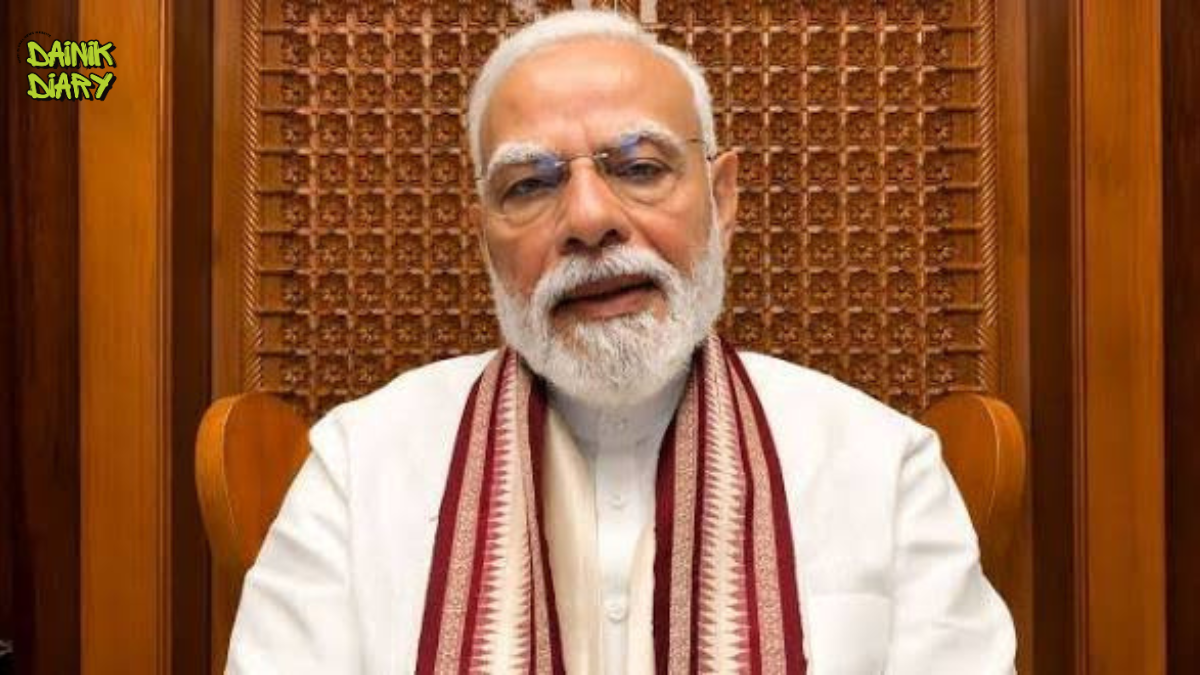
An unusual proposal from Bihar has sparked discussions across the country after the Bihar State Transgender Welfare Board approved a plan to build a temple dedicated to Prime Minister Narendra Modi.
The proposal, according to reports, is not being presented as only a religious structure but as a symbol of recognition and gratitude by members of the transgender community who believe the Narendra Modi-led government played a significant role in bringing legal recognition and institutional representation for transgender persons.
The idea was introduced by board member Ranjan Singh during the first meeting of the board under the Bihar Social Welfare Department. The proposal reportedly received unanimous support from members present at the meeting.
Why does the transgender community want the temple?
According to the board, the proposal comes from a desire to acknowledge what members describe as a historic change brought by the Transgender Persons (Protection of Rights) Act, 2019.
ALSO READ : Kharge Takes a Swipe at PM Modi’s Midnight Instagram Video: “Couldn’t Sleep?” Congress Questions Centre’s Anti-Paper Leak Push
Ranjan Singh said that the transgender community in Bihar does not have a dedicated temple or symbolic place of its own and described the 2019 legislation as a major milestone that provided the community with legal identity and a formal place in governance structures.
For supporters of the proposal, the temple represents appreciation rather than simply worship. They believe it reflects the importance of policy changes that brought transgender rights into India’s legal framework.
What changed after the 2019 transgender rights law?
The Transgender Persons (Protection of Rights) Act, 2019 was India’s first central legislation specifically focused on protecting the rights of transgender individuals.
The law prohibits discrimination against transgender persons in several areas, including:
- Education
- Employment
- Healthcare
- Housing
- Access to public services
It also introduced provisions for issuing transgender identity certificates, encouraged governments to create welfare programmes and established mechanisms aimed at protecting the rights of the community.
Following the legislation, the National Council for Transgender Persons was created, while several states began developing their own welfare systems.
In Bihar, the state government established the Bihar State Transgender Welfare Board under the Social Welfare Department to focus on empowerment, welfare and social development initiatives for the transgender community.

Proposal also faces criticism
While supporters of the temple proposal view the 2019 law as a historic step, the legislation has also faced criticism from several transgender rights activists.
Many activists have argued that certain parts of the law do not go far enough in addressing the community’s long-standing concerns. Some organisations have raised objections over the process of obtaining transgender identity certificates, saying it creates unnecessary administrative challenges.
Others have criticised the absence of provisions related to reservations in education and government employment, arguing that more steps are needed to ensure equal opportunities and representation.
These contrasting views highlight that opinions within the transgender community are diverse. While some groups see the 2019 law as a landmark achievement, others believe further reforms are necessary.
Temple proposal awaits government approval
At present, the proposed PM Modi temple remains only a plan. Although the Bihar State Transgender Welfare Board has approved the proposal, construction can begin only after the state government provides land and completes the required administrative procedures.
The proposal has already attracted national attention, becoming a subject of discussion about politics, social recognition and the evolving relationship between government policies and marginalised communities.