India News
‘Dissenters Like Umar Khalid Remain in Jail While Killers Walk Free’: Former Delhi HC Chief Justice AP Shah Raises Concerns Over Civil Liberties
Speaking at an event in Goa, former Delhi High Court Chief Justice AP Shah questioned prolonged pre-trial detention, judicial independence, and the protection of constitutional rights in India.

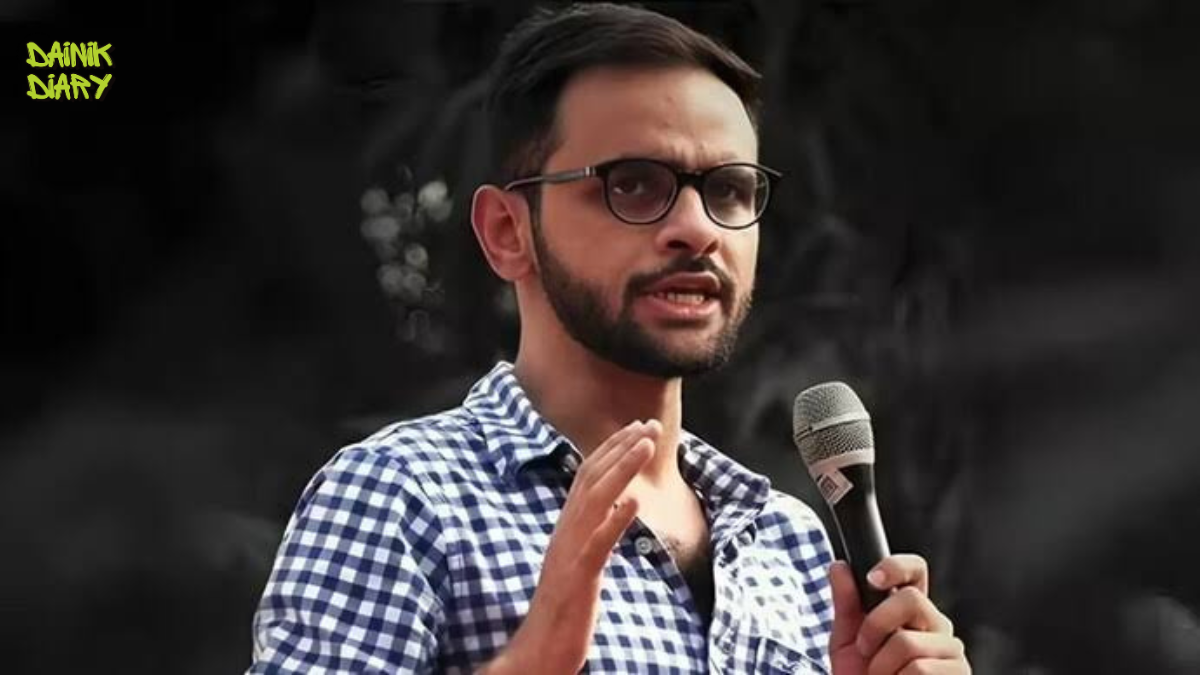
Former Delhi High Court Chief Justice AP Shah has expressed concern over what he described as the shrinking space for judicial independence and the protection of civil liberties in India. Speaking at a programme in Goa on Friday, Justice Shah criticised the prolonged incarceration of Umar Khalid, who remains an accused in a Unlawful Activities (Prevention) Act (UAPA) case linked to the 2020 Delhi riots.
Addressing an event titled “Judiciary’s Role in Protecting Civil Liberties”, organised by the High Court Bar Association, Shah said he was worried that the number of independent-minded judges in the country appeared to be declining.”While there are definitely some independent-minded judges all over India, we should be worried that this number is shrinking by the day,” he said.
Comments on Umar Khalid’s detention
Referring to Umar Khalid’s continued incarceration, Justice Shah questioned the lengthy period of pre-trial detention.
He remarked that Khalid has remained behind bars for several years while, according to him, individuals accused or convicted of serious violent crimes have received bail or remission in certain cases.
Describing Khalid as a political dissenter, Shah said prolonged detention in such cases raises important questions about the functioning of the criminal justice system.
Umar Khalid was arrested in connection with the larger conspiracy case related to the 2020 Delhi riots and has consistently denied the allegations against him. His bail pleas have been considered by courts on multiple occasions, with proceedings continuing under the provisions of the UAPA.
Criticism over free speech and use of legal provisions
Justice Shah also voiced concern over what he described as increasing restrictions on freedom of expression.
ALSO READ : ‘PM Enjoys Playing the Victim Card’: Jairam Ramesh Demands Modi’s Apology Over NEET, Ram Mandir Trust Row and Demonetisation
He alleged that activists, political dissenters, cartoonists and critics of the government are often subjected to legal action, investigations or other forms of scrutiny.
According to Shah, democratic societies should respond to criticism through dialogue rather than suppression.
He also referred to recent action taken against students who participated in protests, arguing that demands for political accountability should not automatically result in criminal proceedings.
Raises concerns over bulldozer demolitions
Another issue highlighted by the former Chief Justice was the use of bulldozer demolitions against properties linked to accused individuals.

Shah questioned whether existing judicial guidelines are being effectively implemented, stating that several states continue to face allegations of carrying out demolitions despite court directions intended to prevent arbitrary action.
He argued that demolition drives often have wider consequences for entire families and communities, particularly when legal proceedings are still underway.
Justice Shah also referred to recent proceedings before the Supreme Court, saying that questions remain over the enforcement of judicial directions concerning such demolitions.
Call for fearless and independent judiciary
Concluding his address, Justice Shah stressed that judges need not become activists but must remain independent while performing their constitutional responsibilities.
He said the judiciary should continue to uphold the rule of law, principles of natural justice, and constitutional morality, emphasising that these values are essential for protecting citizens’ rights in a democratic society.
The remarks have once again brought attention to the ongoing debate over civil liberties, judicial accountability, and the balance between national security laws and individual freedoms in India.