
Sports
BCCI Unveils 3 Major Rule Changes Before New Domestic Season… One Decision Could Completely Change Red-Ball Cricket
From stricter penalties for deliberate no-balls to new restrictions on forfeiting innings, the BCCI is set to introduce significant playing-condition changes for the 2026–27 domestic cricket season.

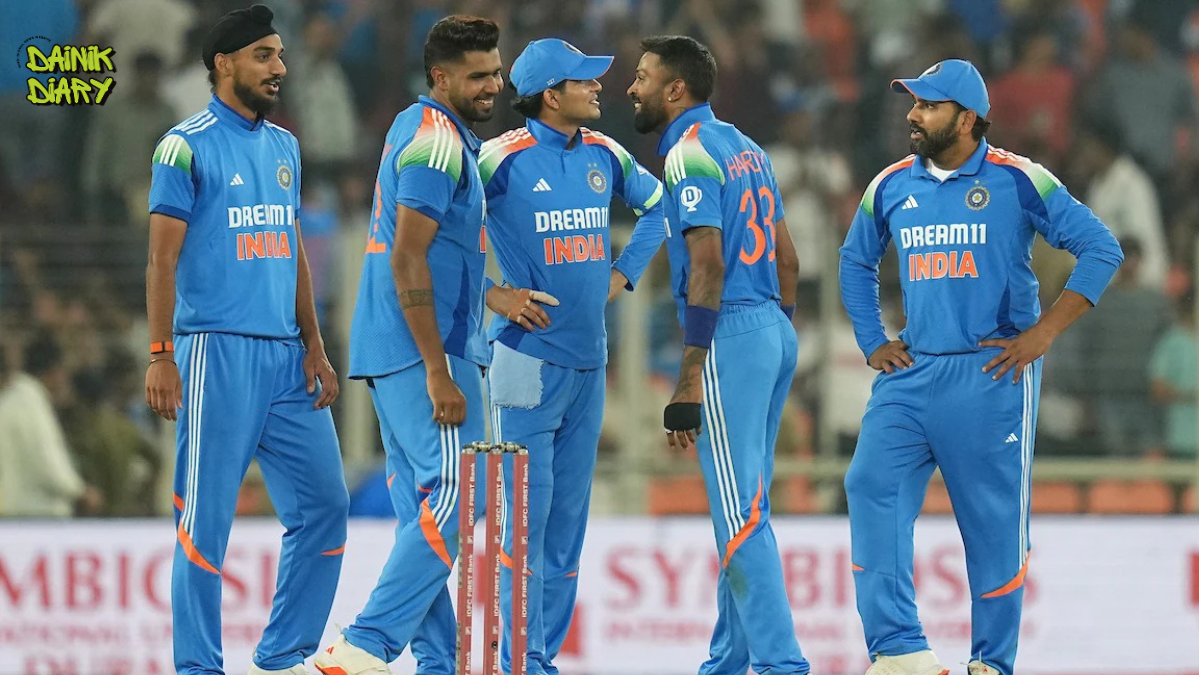
The Board of Control for Cricket in India (BCCI) is preparing to usher in a fresh chapter for domestic cricket by introducing three significant rule changes ahead of the 2026–27 Indian domestic season. The updated playing conditions, which have reportedly been circulated among state cricket associations, are expected to impact team strategies, player discipline, and the overall flow of red-ball cricket.
The revisions are based on recommendations approved by the Marylebone Cricket Club (MCC), the custodians of cricket’s laws based at Lord’s, London. According to reports, the changes have also been shared with state associations before the start of the new season.
No More Easy Exit: Teams Can’t Freely Forfeit the Final Innings
One of the most notable changes concerns the forfeiture of the last innings in red-ball matches.
ALSO READ: Rohit Sharma Sends Strong Fitness Warning Ahead of England ODIs… India Captain Begins Batting Grind After Family Break
Previously, teams could mutually agree to forfeit an innings under certain circumstances to speed up the result of a match. Under the revised playing conditions, such decisions will now face greater restrictions, ensuring that matches are played in a more competitive and sporting manner.
Cricket experts believe this move will preserve the integrity of first-class cricket while reducing tactical shortcuts that could influence match outcomes.
Deliberate No-Balls to Attract Tougher Punishment
The BCCI is also tightening its stance on intentional front-foot no-balls and deliveries that deliberately fail to land on the pitch.
Under the new regulations, bowlers found intentionally delivering such balls could face stricter penalties, a move aimed at discouraging unfair tactics and maintaining the spirit of the game.
The decision is expected to improve discipline among bowlers while ensuring fair competition across domestic tournaments.
MCC Law Changes Reflected in Indian Cricket
The latest amendments align India’s domestic competitions with the updated Laws of Cricket approved by the Marylebone Cricket Club (MCC).
The MCC regularly reviews the game’s laws to keep pace with modern cricket, and the BCCI’s decision reflects its commitment to implementing internationally recognised standards in domestic competitions.
By adopting these changes, India’s domestic circuit continues to evolve while maintaining consistency with global cricket regulations.
State Associations Informed Before Season Begins
Reports indicate that the BCCI has already communicated the revised playing conditions to state cricket associations, allowing teams, coaches, umpires, and players enough time to understand the new regulations before the domestic calendar begins.
Officials believe early communication will ensure a smooth transition and minimise confusion once the season gets underway.
A New Era for Domestic Cricket
The upcoming season promises to be one of the most significant in recent years, with these rule changes expected to influence tactics, captaincy decisions, and bowling strategies throughout the domestic circuit.
While players and coaches will need time to adapt, cricket followers will be eager to see how the revised regulations shape the competition.
With domestic cricket serving as the foundation for future Team India stars, these changes could have a lasting impact on the development of Indian cricket in the years ahead.