
World News
‘If Saudi Calls Us…’: Pakistan’s Biggest War Fear Moves Closer as Middle East Crisis Deepens
Pakistan says it wants peace, but growing tensions between the United States and Iran could leave Islamabad facing difficult choices under its long-standing security partnership with Saudi Arabia.

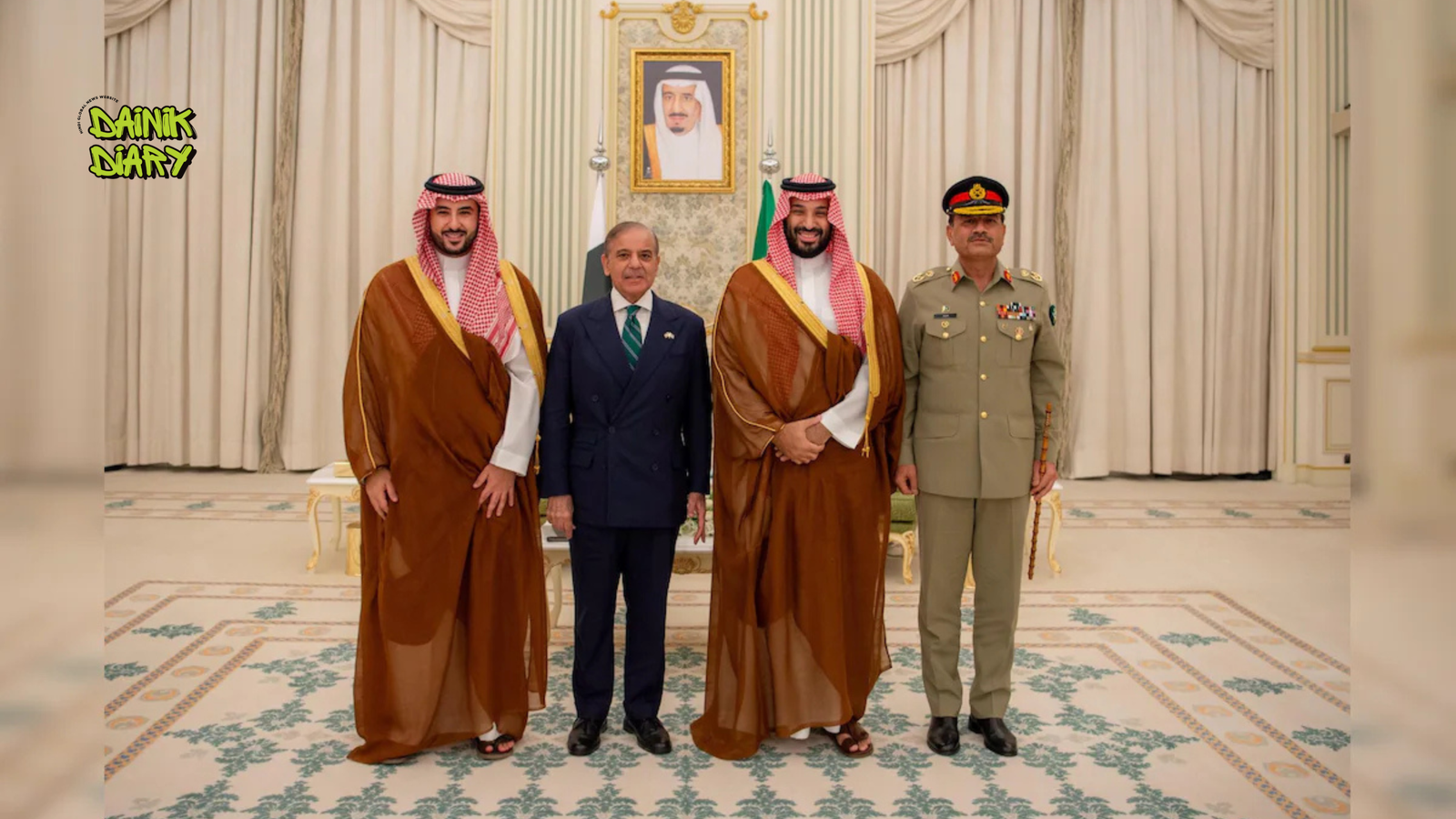
Islamabad: Pakistan is facing one of its most delicate foreign policy challenges in recent years as the escalating confrontation between the United States and Iran raises concerns that the conflict could spread across the wider Middle East.
While Pakistan has publicly called for restraint and a peaceful resolution, officials and analysts believe the country’s strategic relationship with Saudi Arabia could eventually pull Islamabad into a crisis it has been trying hard to avoid.
The renewed tensions have intensified after attacks linked to the regional conflict increased fears of a broader confrontation involving Saudi Arabia and Iran-backed groups operating in the region.
Pakistan Backs Saudi Arabia
Reacting to the latest developments, Prime Minister Shehbaz Sharif strongly condemned the attacks, describing them as unacceptable violations of Saudi Arabia’s sovereignty and territorial integrity.
Read More- Body of Missing Indian Sailor Found After Oman Ship Attack… As US-Iran Conflict Takes a Dangerous New Turn
Sharif reiterated Pakistan’s solidarity with Riyadh and said Islamabad would continue supporting initiatives aimed at restoring peace, stability and security across the Middle East.
His remarks underline the close diplomatic and security ties between Pakistan and Saudi Arabia, relationships that have shaped Islamabad’s regional policy for decades.
‘This Is Our Red Line’
According to a Reuters report citing Pakistani officials and regional analysts, Islamabad has conveyed to Tehran that any direct attack on Saudi Arabia would be viewed with utmost seriousness.
One senior Pakistani official reportedly described attacks on Saudi Arabia as Pakistan’s “red line,” highlighting the country’s commitment to its long-standing defence cooperation with Riyadh.
The comments have fuelled speculation that Pakistan’s room for diplomatic neutrality could narrow if the conflict expands further.
Mediator Role Under Pressure
Pakistan has attempted to position itself as a bridge between rival powers in the region, encouraging dialogue after previous diplomatic efforts between Washington and Tehran showed signs of progress.
However, the latest escalation has complicated those ambitions.
Analysts believe Islamabad now faces the difficult task of balancing relations with Iran while maintaining its strategic partnership with Saudi Arabia, one of Pakistan’s closest allies and an important economic partner.
The situation has reportedly affected diplomatic engagements as well, with an Iranian delegation led by Eskandar Momeni arriving in Islamabad later than initially planned for discussions expected to focus on regional security and the ongoing crisis.
Why Pakistan Is Concerned
Security experts say Pakistan’s concerns go beyond diplomacy.
Pakistani military personnel are stationed in Saudi Arabia as part of long-standing defence cooperation, meaning any escalation involving Saudi territory could have direct implications for Islamabad.
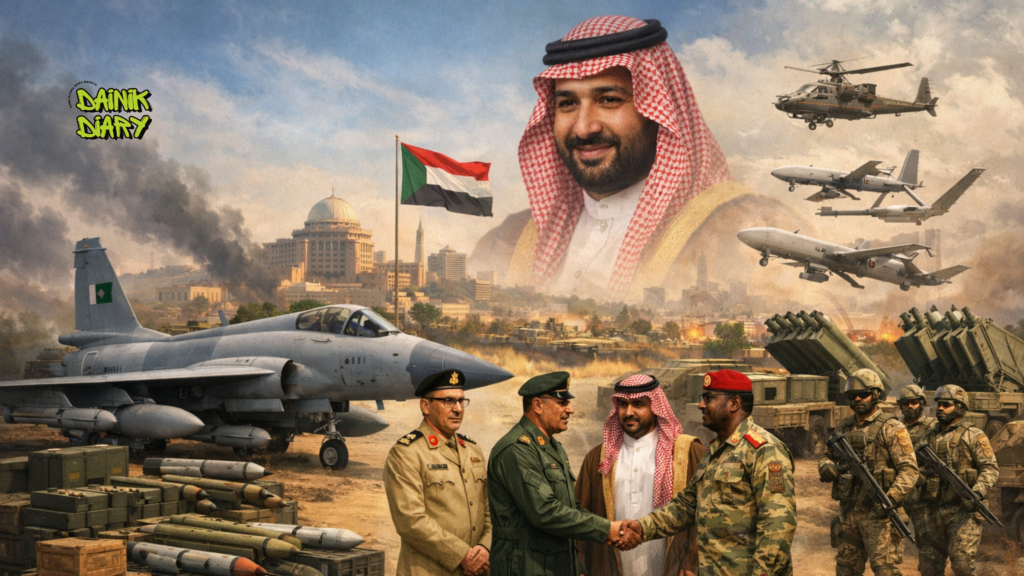
Another major concern is the possibility of disruptions in the Red Sea shipping route, a vital corridor for global trade and energy supplies. Any prolonged instability could affect Pakistan’s economy, which relies heavily on imported energy from the Gulf region.
Retired Pakistani military officials have also warned that a wider conflict involving Saudi Arabia and Yemen-based groups could significantly increase regional security risks.
Can Pakistan Stay Neutral?
For now, Islamabad continues to advocate diplomacy and de-escalation.
Officials insist Pakistan remains committed to mediation efforts and hopes the crisis can be resolved without further military confrontation.
However, analysts believe that if Saudi Arabia becomes directly involved in a broader regional conflict and formally seeks assistance under existing security arrangements, Pakistan may find it increasingly difficult to remain on the sidelines.
As the Middle East enters another period of uncertainty, Pakistan’s balancing act between diplomacy, strategic alliances and regional security is expected to face one of its toughest tests in years.







Pingback: Pakistan’s ‘Old Playbook’ Returns? Taliban Tensions, PoK Unrest And Balochistan Crisis Raise Fresh Questions… - Dainik Diary - Authentic News