World News
Pakistan’s ‘Old Playbook’ Returns? Taliban Tensions, PoK Unrest and Balochistan Crisis Raise Fresh Questions…
As Pakistan grapples with insurgencies in Balochistan, rising violence in Khyber Pakhtunkhwa and unrest in Pakistan-occupied Kashmir, fresh reports claim Islamabad may be relying on familiar security strategies to tackle growing internal challenges.


Pakistan is facing one of its most challenging internal security situations in recent years, with violence and unrest spreading across multiple regions simultaneously. From escalating attacks by the Tehrik-i-Taliban Pakistan (TTP) in Khyber Pakhtunkhwa to continued insurgency in Balochistan and political unrest in Pakistan-occupied Kashmir (PoK), Islamabad is under increasing pressure to restore stability.
Recent reports have also sparked debate over Pakistan’s security strategy, alleging that elements within the country’s security establishment are once again turning to militant proxies to counter emerging threats. These claims have not been independently verified, and Pakistani authorities have not officially confirmed the allegations.
Security Challenges on Multiple Fronts
Pakistan’s military and security agencies are currently dealing with several simultaneous crises.
Read More- ‘If Saudi Calls Us…’: Pakistan’s Biggest War Fear Moves Closer as Middle East Crisis Deepens
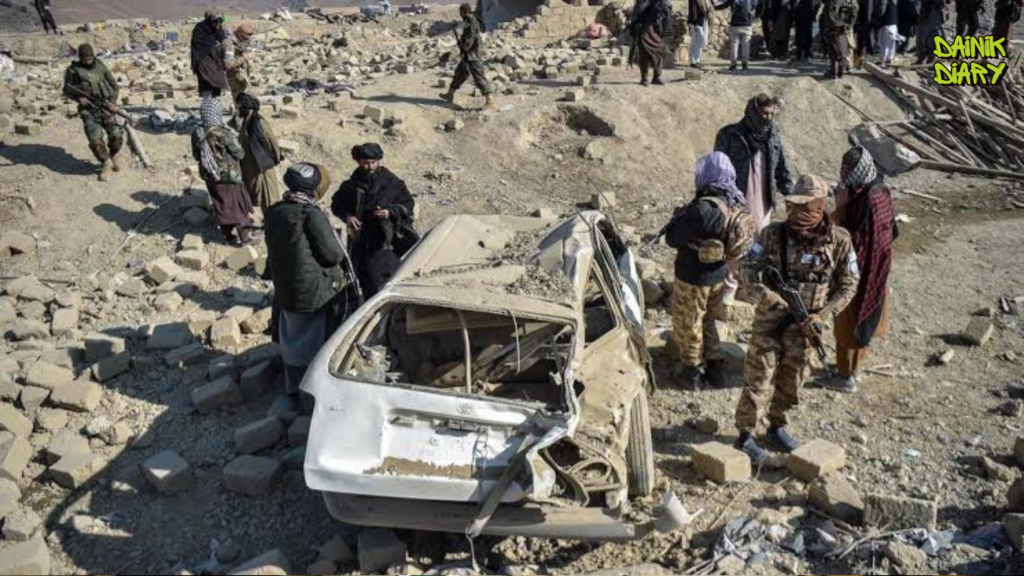
According to reports, the TTP has carried out hundreds of attacks over the past year, targeting security personnel primarily in Khyber Pakhtunkhwa.
Meanwhile, separatist groups in Balochistan have intensified attacks on security installations and infrastructure projects, including those linked to the China–Pakistan Economic Corridor (CPEC).
These developments have raised concerns over the security of Chinese investments in Pakistan, an issue that has reportedly been discussed at senior diplomatic levels.
Reports Allege New Proxy Strategy
A report published by Tanzania-based publication The Citizen alleged that Pakistan may be extending support to Islamic State – Khorasan Province (ISKP), also known as ISIS-K, as part of efforts to counter both the Taliban and Baloch insurgent groups.
The report cited alleged cross-border activity between Afghanistan and Pakistan in areas believed to host ISKP operatives.
However, these allegations remain unverified, and there has been no official acknowledgment from the Pakistani government regarding such claims.
Pressure on Pakistan’s Security Leadership
The growing internal security challenges have increased pressure on Pakistan’s military leadership, including Field Marshal Asim Munir.
Reports suggest that despite mediation efforts involving countries such as Qatar, Turkey, and China, no lasting breakthrough has been achieved in reducing violence involving the TTP.
At the same time, attacks on infrastructure associated with the China-Pakistan Economic Corridor have heightened concerns among Chinese stakeholders regarding the safety of personnel and investments.
Unrest Continues in Pakistan-Occupied Kashmir
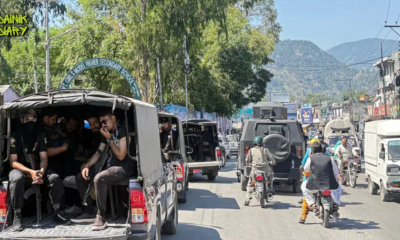
Alongside security challenges elsewhere, Pakistan-occupied Kashmir (PoK) has witnessed weeks of political unrest ahead of regional elections.
The United Nations Office of the High Commissioner for Human Rights (OHCHR) recently expressed concern over the situation, urging authorities to conduct prompt, impartial, and transparent investigations into reported deaths involving both protesters and security personnel.
According to the UN statement, dozens of people have reportedly lost their lives during the unrest that preceded the legislative assembly elections scheduled for July 27.
The UN High Commissioner for Human Rights, Volker Türk, appealed for calm and called for accountability regarding all reported fatalities.
Experts Point to Broader Governance Issues
Strategic affairs analyst Brahma Chellaney commented on the developments through a post on X, suggesting that Pakistan is facing growing governance challenges across several frontier regions.
According to Chellaney, economic grievances and demands for greater political autonomy have increasingly transformed into broader movements seeking accountability.
He argued that relying primarily on security measures instead of political dialogue risks deepening existing tensions rather than resolving them.
A Critical Period Ahead
Pakistan now finds itself balancing multiple internal challenges, including militant violence, separatist movements, economic pressures, and political unrest.
Whether Islamabad can stabilise these regions through political engagement, enhanced security measures, or a combination of both remains uncertain.
As developments continue to unfold, analysts believe the coming months will be crucial in determining how Pakistan responds to its increasingly complex internal security landscape.