
World News
Why Did Donald Trump Win Again? The Deeper Reason Behind His Victory and Why His Political Grip May Be Weakening
Donald Trump returned to the White House after a deeply divided election, but one explanation for his comeback goes beyond candidates and campaign strategy: decades of economic frustration, widening inequality and a growing feeling among Americans that the system no longer works for them.

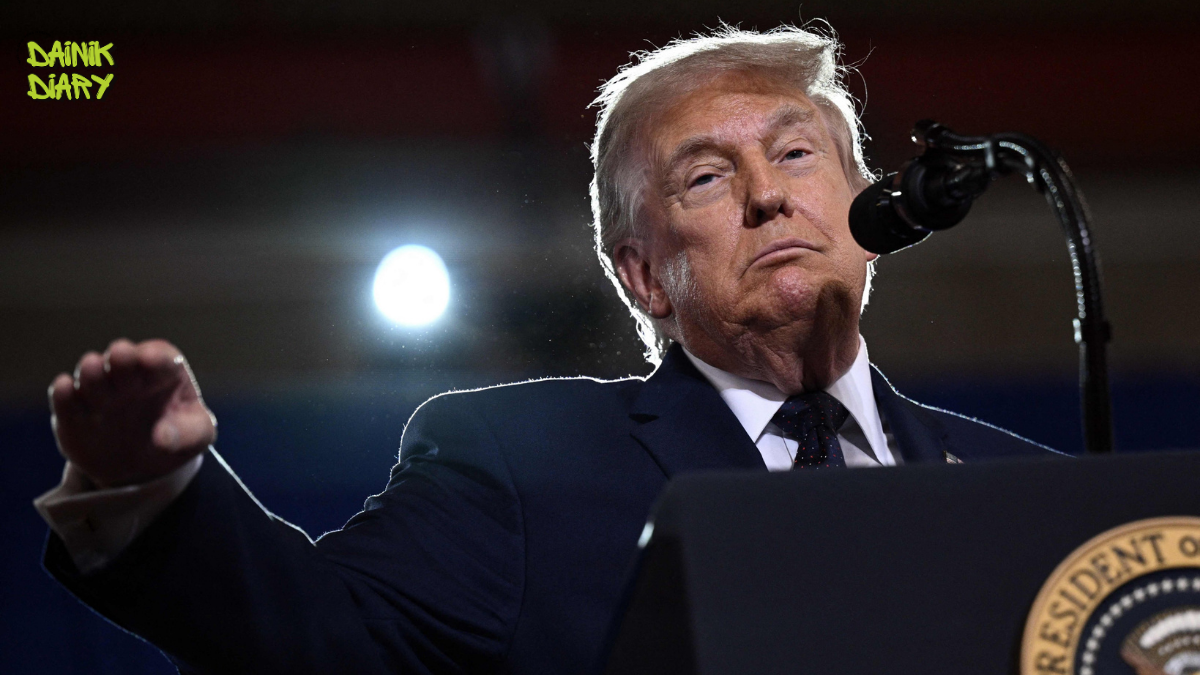
The debate over Donald Trump’s return to the presidency has never really ended.
Some critics blame Joe Biden for staying in the race too long before stepping aside. Others question whether Kamala Harris was the strongest possible Democratic candidate. Still others point to inflation, immigration, cultural divisions and dissatisfaction with Washington as forces that helped Trump regain political power.
But there is another explanation worth examining.
Trump’s victory may have been less about one campaign and more about frustrations that had been building across the United States for decades.
For generations, a basic promise sat at the centre of the American economic story: work hard, follow the rules and you should have a reasonable opportunity to build a better life — with the hope that your children would have even greater opportunities.
For millions of Americans, that promise has become increasingly difficult to believe.
Economic Frustration Created Fertile Ground for Trump
Over several decades, the United States has experienced enormous economic growth while also confronting persistent concerns about income inequality, stagnant purchasing power for some workers, housing affordability and the concentration of wealth.
These pressures do not automatically explain support for Trump. But they help explain why anti-establishment politics became so powerful.
When people believe established institutions have failed to improve their lives, a politician promising to disrupt those institutions can become particularly attractive.
Trump understood that frustration better than many traditional politicians.
His political message repeatedly identified enemies undocumented immigrants, the so-called “deep state,” Democrats, political elites and other groups or institutions while portraying himself as the person willing to confront them.
For supporters, this was evidence that Trump was prepared to challenge a political system they no longer trusted.
For critics, however, the strategy redirected legitimate economic anger toward vulnerable communities and intensified divisions rather than addressing the structural causes of inequality.
That disagreement remains central to understanding modern American politics.
Trump’s Strength Was Never Just About Trump
One reason Trump has remained politically resilient is that the movement surrounding him represents something larger than one individual.
Many voters who backed him were expressing dissatisfaction with Washington, political institutions, immigration policies, economic insecurity and a cultural landscape they believed was changing too rapidly.
That does not mean every Trump voter shared the same motivation.
Some prioritised the economy. Others focused on immigration, foreign policy, conservative judicial appointments, taxes, regulation or social issues.
Treating tens of millions of voters as a single political bloc risks missing the more important story: America’s dissatisfaction with its institutions cuts across geography, class and ideology.
Trump succeeded in turning a substantial portion of that dissatisfaction into electoral power.
But Is Trump’s Political Power Beginning to Fade?
Winning an election and maintaining public confidence while governing are two different challenges.
Trump’s opponents now argue that his administration is becoming increasingly vulnerable as Americans judge its policies by their everyday consequences rather than campaign promises.
Questions surrounding prices, wages, immigration enforcement, foreign conflicts and the broader direction of the country could become increasingly important as voters prepare for another major electoral test.
His supporters, meanwhile, continue to argue that aggressive policies are necessary to reverse years of government failure and that criticism of Trump often comes from the same political establishment voters rejected.
The battle, therefore, is no longer simply over Trump’s personality.
It is over whether Americans believe his policies are actually improving their lives.

America’s Next Election Could Become a Referendum on Trump
With another election approaching, the political stakes are growing.
The vote will not remove Donald Trump from the presidency, but it could determine how much freedom his administration has to pursue its agenda and how strongly voters want Congress to restrain or support the White House.
That makes the coming election more than an ordinary contest between Republicans and Democrats.
It could become a referendum on whether the anger that powered Trump’s political comeback remains strong or whether Americans are beginning to reconsider the direction it has taken the country.
Trump rose partly because millions of voters believed the old political and economic order had stopped working for them.
If his political influence is now weakening, the most important question may not be what changed about Donald Trump.
It may be what has changed among the Americans who once believed he was the answer.












Pingback: ‘Like A Mob Boss’: Trump’s Rivals Are Suddenly Defying Him And Barbara McQuade Says It Could Be ‘Contagious’ - Dainik Diary - Authentic News
Pingback: Trump Kicks Off 2026 Midterm Battle With A Familiar Strategy Himself… But Some Republicans Are Getting Nervous - Dainik Diary - Authentic News
Pingback: Trump Administration Goes To Supreme Court Again Over Mail Ballots, Warns Of ‘Confusion And Chaos’ Ahead Of Midterms - Dainik Diary - Authentic News