Politics
Ahead of Mohan Bhagwat’s Gen Z Meet, Abhijeet Dipke Says ‘Young People Should Talk to Young People’… Here’s Why
With RSS chief Mohan Bhagwat set to interact with students in Mumbai on August 6, CJP founder Abhijeet Dipke has welcomed the outreach but questioned whether Gen Z can truly connect with older leadership without young representatives at the table.

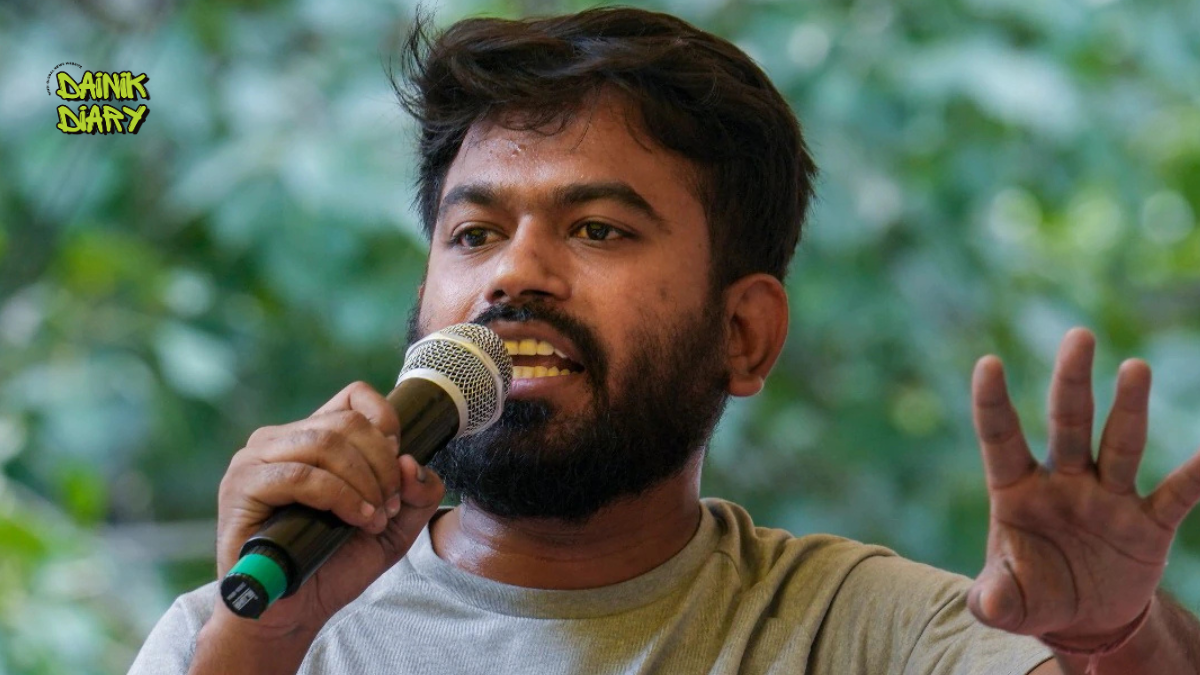
New Delhi: As RSS chief Mohan Bhagwat prepares to interact with Gen Alpha and Gen Z students in Mumbai on August 6, Cockroach Janta Party (CJP) founder Abhijeet Dipke has welcomed the initiative while making one demand clear: young people should have a stronger role in speaking to their own generation.
Bhagwat’s upcoming interaction is expected to bring together more than 2,000 students aged between 15 and 19, with participants reportedly coming from over 100 cities. The event comes at a time when youth issues, examination irregularities and political representation have become increasingly prominent in public debate.
Dipke, who emerged as a prominent face of recent youth-led protests, said that opening a dialogue with young Indians was a positive development. However, he argued that the conversation would have greater impact if young representatives themselves were involved.“It is good that dialogue is taking place. But it will be even better if some young faces are deployed for this,” Dipke said.
His remarks come after the CJP-led student agitation over alleged irregularities surrounding the NEET examination, a campaign that became a major youth protest movement. The agitation eventually coincided with the resignation of Union Education Minister Dharmendra Pradhan on July 25, adding further political weight to the concerns raised by protesting students.
‘Gen Z Needs Young Representation’
For Dipke, the issue is not simply about creating a platform where senior leaders can speak to students. He believes the generation being addressed should also have a meaningful role in shaping the conversation.
“If people aged 70-80 are talking, it is good. But what will Gen Z get out of it?” Dipke said, arguing that Gen Z needs young representation.
He added that communication between people of the same generation could make discussions more direct and relatable.
“If youth interacts with youth, it will be even better,” he said.
The comments underline a wider debate about how India’s political and social institutions communicate with a generation that has grown up with smartphones, social media and a very different relationship with public discourse.
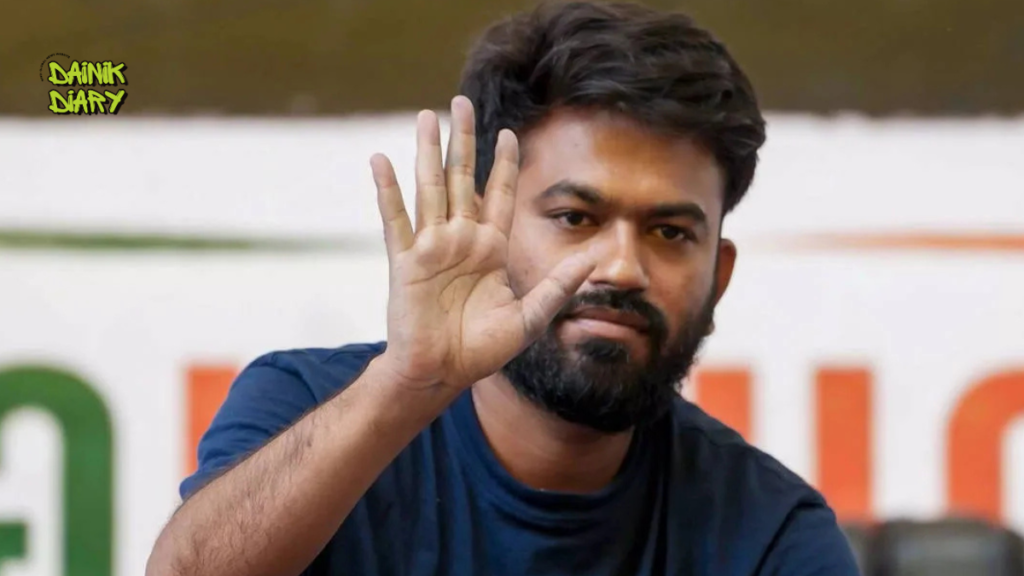
Dipke also suggested that the growing attention being paid to young Indians was partly a result of recent youth movements.
“The youth has forced this,” he said, taking a swipe at the political establishment and pointing to the growing importance of platforms such as Instagram in political communication.
His broader message was that young Indians could no longer simply be treated as an audience to be addressed from a distance.
ALSO READ : ‘PM Enjoys Playing the Victim Card’: Jairam Ramesh Demands Modi’s Apology Over NEET, Ram Mandir Trust Row and Demonetisation
From Protest Movement to Wider Youth Debate
The rise of Abhijeet Dipke and the Cockroach Janta Party has itself become part of this changing youth landscape. What began as a satirical online response to controversial remarks about young Indians developed into a larger protest movement centred on education, employment and accountability. Reuters has described Dipke as the face of what became one of the most significant youth protest movements against the government in recent years.
Dipke’s latest comments therefore come from a position shaped by months of direct engagement with student protesters.
Rather than rejecting Bhagwat’s planned interaction, he has chosen to challenge the format of the conversation and ask whether young Indians should themselves have a stronger voice in such engagements.
Dipke Backs Jharkhand Student Protesters
The CJP founder also turned his attention to Jharkhand, where students have been protesting alleged irregularities in recruitment examinations conducted by the Jharkhand Public Service Commission (JPSC) and Jharkhand Staff Selection Commission (JSSC).
Students have been staging an indefinite protest in Ranchi, demanding an independent investigation into the allegations. Dipke said he had spoken with some of the protesters and accused the state authorities of failing to provide adequate facilities at the protest site.
According to Dipke, the protesters were facing difficulties with basic arrangements, including accommodation and sanitation.
“They are not allowed to pitch their tents, and there are no washroom facilities for them,” he said.
Dipke said the CJP stood with the protesting students and compared their situation with the difficulties faced by protesters during the earlier agitation at Jantar Mantar in New Delhi.
The Jharkhand protesters, meanwhile, have called for an independent investigation into the alleged recruitment irregularities. Their demands include an inquiry by retired High Court judges from outside the state, while some protesters have also sought CBI and Enforcement Directorate (ED) investigations.
A Bigger Question About Youth Representation
The immediate political focus may be on Bhagwat’s August 6 interaction, but Dipke’s comments raise a broader question: who gets to speak for India’s young population?
For a generation increasingly vocal about examinations, jobs, education and political accountability, simply being invited to listen may no longer be enough.
Whether Bhagwat’s interaction becomes a genuine two-way conversation or remains primarily an address by senior leadership will likely be watched closely.
For Dipke, however, the message is straightforward: if India’s leaders want to understand Gen Z, they should also give Gen Z a seat at the table.
And that may be the most important question surrounding the August 6 meeting—not just who will speak to the students, but who will speak alongside them.