
Politics
After Defusing Paper Leak Row, Modi Govt Eyes Women’s Quota and Delimitation Next; Here’s Why the Timing Matters
With the examination controversy largely addressed through reforms and legislative action, the Centre is preparing to shift its focus to two major constitutional priorities during the Monsoon Session of Parliament.


After weeks of dealing with the NEET paper leak controversy and nationwide student protests, the Narendra Modi-led Central Government is preparing to return to its broader legislative agenda. With the resignation of former Union Education Minister Dharmendra Pradhan and the conclusion of the Cockroach Janata Party (CJP)-led agitation, the Centre has begun signalling that its immediate attention will now turn to key constitutional reforms, including the Women’s Reservation Law and delimitation.
The shift comes after the government announced a series of measures aimed at addressing concerns over examination integrity, including the formation of a high-level reforms panel and plans to strengthen anti-paper leak legislation.
Government announces major exam reforms
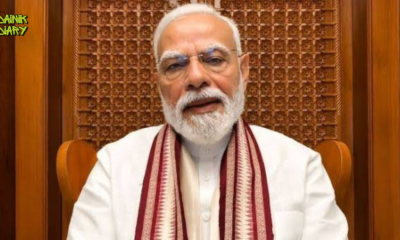
In a significant move, Prime Minister Narendra Modi announced the creation of a high-powered Examination Reforms Task Force headed by Infosys co-founder Nandan Nilekani.
At the same time, the government is preparing to introduce amendments to the Public Examinations (Prevention of Unfair Means) Act, 2024, with the objective of making India’s anti-paper leak framework more stringent.
According to government sources, these measures are intended to reassure students, improve transparency in competitive examinations, and prevent future instances of examination malpractice.
Focus shifts to constitutional agenda
With the examination issue now largely addressed through administrative and legislative steps, the Centre is expected to focus on long-pending constitutional reforms during the ongoing Monsoon Session of Parliament.
Among the government’s key priorities are:
- Implementation of the Women’s Reservation Law
- Delimitation of parliamentary constituencies
Both initiatives require constitutional amendments and broad political support in Parliament.
Government officials have maintained that recent protests have not altered the Centre’s long-term legislative roadmap.
“Our priority is to implement women’s reservation as the Prime Minister has promised,” a government official was quoted as saying.
Why delimitation has become important now
The timing of the government’s renewed focus on delimitation is politically significant.
ALSO READ : ‘Exam system must be reliable and transparent’: PM Modi announces Nandan Nilekani-led task force after NEET row
Under constitutional provisions, the freeze on the readjustment of parliamentary constituencies remains in place until the first Census conducted after 2026.
With the 2027 Census expected to satisfy that requirement, the constitutional restrictions on delimitation would no longer apply, making the coming legislative sessions crucial for laying the groundwork for future electoral reforms.
If the proposed constitutional amendments are not introduced during the Monsoon Session, the Winter Session could become the next opportunity.

Government believes protests are behind it
According to senior leaders within the Bharatiya Janata Party (BJP), the government’s handling of the paper leak controversy has allowed it to move beyond a politically challenging phase.
Party leaders believe that announcing examination reforms, strengthening anti-paper leak laws, and taking action within the education system have helped address the core concerns raised during the protests.
They also argue that opposition parties, which had repeatedly demanded a discussion on paper leaks, may now find it difficult to avoid participating in parliamentary debates on the issue.
Political significance ahead
The coming weeks are expected to be crucial for the Modi government as it seeks to balance governance reforms with politically sensitive constitutional changes.
While the examination controversy dominated national discourse in recent weeks, the government’s legislative focus now appears set to shift toward reforms that could have a long-term impact on India’s political and electoral landscape.
Whether the Centre succeeds in building consensus on women’s reservation and delimitation will likely shape the political narrative for the remainder of the parliamentary session.






Pingback: 'Abhijeet Dipke Is An Avatar Of Lord Vishnu': Uddhav Thackeray's Remark On CJP Sparks Political Storm - Dainik Diary - Authentic News
Pingback: 'One Officer, One Official Car': Modi Government Rolls Out New Rule To Stop Multiple Vehicle Allotments - Dainik Diary - Authentic News
Pingback: 'When I Was Born, I Was Very Cute': DK Shivakumar's Childhood Stories Reveal The Journey Behind Karnataka's Chief Minister - Dainik Diary - Authentic News
Pingback: Has PM Modi Changed His Political Strategy? BJP And Opposition Differ As New Campaign Style Sparks Debate - Dainik Diary - Authentic News
Pingback: Arvind Kejriwal Questions E20 Fuel Safety For Older Vehicles, Says Auto Firms ‘won’t Clarify In Writing’… Here’s Why The Debate Is Growing - Dainik Diary - Authentic News
Pingback: “Student Movement Took Us By Surprise…”: Delhi BJP Unveils New Gen Z Strategy After Jantar Mantar Protest - Dainik Diary - Authentic News
Pingback: Chicken Biryani In School Mid-Day Meals? CM Vijay Reviews Big Proposal That Could Transform Tamil Nadu's Lunch Menu - Dainik Diary - Authentic News