Politics
Has PM Modi changed his political strategy? BJP and Opposition differ as new campaign style sparks debate
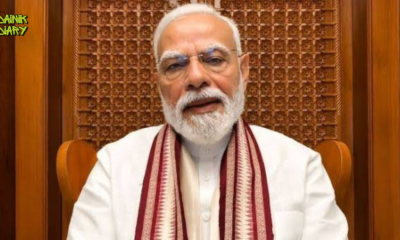
Prime Minister Narendra Modi’s recent speeches have triggered fresh political discussions, with the BJP calling it a response to changing political dynamics while the Opposition alleges a sharper confrontational tone.


As India moves closer to another crucial phase of electoral politics, Prime Minister Narendra Modi’s evolving campaign style has become the subject of intense political debate. While the Bharatiya Janata Party (BJP) maintains that the Prime Minister is adapting to an increasingly competitive political environment, Opposition parties argue that his recent speeches reflect a more confrontational approach than in previous years.
The discussion has gained momentum following several public addresses in which Modi has responded directly to criticism from Opposition leaders while defending his government’s policies and governance record.
A noticeable shift in campaign messaging
Over the past decade, Modi’s political campaigns have largely revolved around themes such as development, infrastructure, national security, welfare schemes, and economic reforms. Initiatives like Digital India, Make in India, Atmanirbhar Bharat, and various social welfare programmes have consistently featured prominently in his speeches.
However, political observers note that recent campaign rallies have also included stronger responses to Opposition allegations, with the Prime Minister directly questioning the policies, governance models, and political narratives of rival parties.
Supporters view this as a natural evolution of political communication, while critics believe it represents a change in tone.
BJP says strategy reflects changing political realities
Senior BJP leaders argue that the political landscape has changed significantly over the years.
According to the party, the Opposition has become more coordinated in challenging the government on multiple issues, both inside Parliament and during election campaigns. As a result, BJP leaders believe responding directly to criticism has become an essential part of communicating the party’s position to voters.
The party also insists that development remains at the core of Modi’s political agenda, highlighting continued emphasis on infrastructure projects, employment generation, digital transformation, manufacturing, self-reliance, and welfare initiatives.
Opposition raises concerns
Opposition parties, meanwhile, contend that political discourse has become increasingly confrontational.
They argue that greater attention should be devoted to issues such as inflation, unemployment, agriculture, economic challenges, and other matters affecting everyday life. Opposition leaders have repeatedly called for broader discussions on these subjects in Parliament and during election campaigns.
They also accuse the government of placing excessive focus on political exchanges instead of addressing public concerns.
ALSO READ : After Defusing Paper Leak Row, Modi Govt Eyes Women’s Quota and Delimitation Next; Here’s Why the Timing Matters
Experts see strategy as part of democratic politics
Political analysts suggest that changes in campaign strategies are common in large democracies, particularly as electoral dynamics evolve.
Factors such as coalition politics, the rise of regional parties, shifting voter expectations, and changing political alliances often influence how parties frame their messaging during elections.
Experts caution against attributing changes in political style to a single factor, noting that electoral strategies typically evolve in response to multiple political and social developments.
What lies ahead?

With upcoming elections and future parliamentary sessions expected to shape India’s political discourse, both the BJP and Opposition are likely to intensify their campaigns.
The BJP will continue projecting its governance record and development agenda, while Opposition parties are expected to focus on holding the government accountable on issues they consider priorities.
As political debates become more prominent in the months ahead, analysts believe voters will ultimately decide how effective each party’s strategy proves to be at the ballot box.