
Politics
Will CJP Enter Politics After Its Jantar Mantar Victory? Why Abhijeet Dipke Is Facing the Same Question Once Asked of Arvind Kejriwal
After forcing the resignation of Dharmendra Pradhan through a student-led movement, the Cockroach Janata Party says it wants to stay issue-focused. But history suggests that the pull of politics may be difficult to resist.

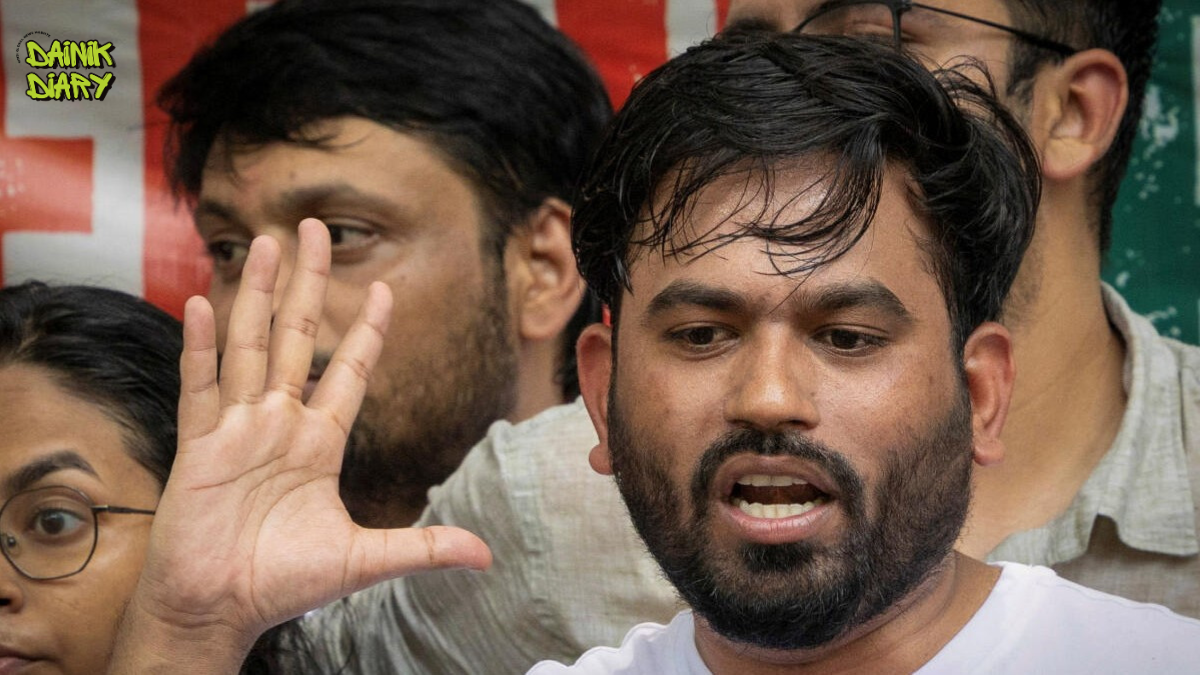
The success of the Cockroach Janata Party (CJP) in spearheading the student movement that culminated in the resignation of former Union Education Minister Dharmendra Pradhan has triggered comparisons with another landmark citizens’ movement that reshaped Indian politics more than a decade ago.
Like the India Against Corruption campaign led by Anna Hazare in 2011, the movement led by Abhijeet Dipke has captured public attention, mobilised thousands of protesters, and compelled the government to engage in dialogue over demands related to the NEET-UG paper leak and accountability in the examination system.
With the protests at Jantar Mantar now over, one question dominates political discussions: Will CJP remain a pressure group, or will it eventually enter electoral politics?
Echoes of the Anna Hazare movement
Political observers have drawn parallels between the recent negotiations involving the CJP and the events of 2011.
During the anti-corruption movement, the then UPA government formed a joint committee comprising ministers and civil society representatives to draft the proposed Jan Lokpal Bill.
Similarly, during the recent student protests, the NDA government appointed senior ministers J.P. Nadda and Jitendra Singh to engage with CJP representatives, including Saurav Das and Ashutosh Ranka, over the protesters’ demands.
The images of both sides meeting inevitably reminded many of the negotiations between the Congress-led government and Anna Hazare’s team, which included Arvind Kejriwal, Prashant Bhushan, and other activists.
CJP says it wants to stay away from politics
Despite comparisons with the early days of the Aam Aadmi Party (AAP), CJP leaders have repeatedly indicated that their immediate focus remains on youth issues rather than electoral politics.
According to reports, senior political leaders from multiple parties reportedly sought meetings with CJP leaders after the Jantar Mantar movement gained momentum. However, the organisation is said to have declined several such overtures in an effort to maintain its non-partisan identity.
Throughout the protests, political leaders were largely kept away from the main stage, with organisers reportedly discouraging attempts to turn the movement into a platform for party politics.
This approach, supporters argue, strengthened the credibility of the campaign by keeping its focus on student concerns instead of political rivalry.
An organic movement without a traditional hierarchy
Unlike conventional political organisations, the CJP functioned without a formal leadership structure or rigid organisational hierarchy during the protests.
The movement remained largely decentralised, allowing students, parents, educators, and citizens from different backgrounds to participate without party affiliations becoming the central focus.
ALSO READ : ‘The nation stands with PM Modi’: Devendra Fadnavis dismisses Delhi buzz again, responds to Opposition’s ‘BJP vs Bharat’ remark
Observers believe this flexible and issue-based approach contributed significantly to the movement’s ability to attract widespread public support.
The protests intensified after police action at Jantar Mantar drew criticism and further expanded the movement’s reach across several cities.
Will history repeat itself?
The comparison with Arvind Kejriwal remains difficult to ignore.
Following the success of the India Against Corruption movement, Kejriwal entered active politics and went on to establish the Aam Aadmi Party, transforming a civil society campaign into a political organisation.

Whether Abhijeet Dipke chooses a similar path remains uncertain.
For now, CJP leaders have indicated that they intend to take time to regroup following the conclusion of the protests.
Political implications for both the government and the opposition
The movement has also prompted introspection across the political spectrum.
For the ruling Bharatiya Janata Party (BJP), the resignation of a Union Cabinet minister following sustained public protests has become a significant political moment. It has also sparked debate over how governments engage with younger voters, many of whom organise and communicate through digital platforms.
For the opposition, the movement has raised questions about its ability to channel public dissatisfaction. While opposition parties had repeatedly targeted the government over various issues in recent years, it was a largely citizen-led movement that ultimately succeeded in securing a minister’s resignation.
As political parties reassess their strategies, the future direction of the CJP will remain under close watch.
Whether it continues as an independent citizens’ movement or eventually embraces electoral politics could shape the next chapter of India’s evolving political landscape.









Pingback: Kangana Ranaut Slams CJP Over Protest Videos, Says ‘I Have Never Seen So Much Ugliness’; Targets Opposition Over Exam Reform Bill - Dainik Diary - Authentic News