
Politics
Arvind Kejriwal questions E20 fuel safety for older vehicles, says auto firms ‘won’t clarify in writing’… Here’s why the debate is growing
AAP chief Arvind Kejriwal has sought answers from 29 automobile manufacturers over the use of E20 fuel in petrol vehicles built before 2023, raising concerns about engine safety, mileage and consumer compensation while accusing the Centre of influencing the narrative.


Arvind Kejriwal raises fresh concerns over E20 fuel policy
A fresh political debate has erupted over the Centre’s push for E20 fuel, with Arvind Kejriwal questioning whether petrol vehicles manufactured before 2023 are fully compatible with the ethanol-blended fuel.
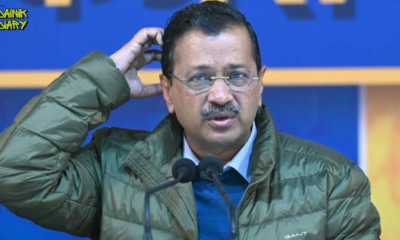
Addressing a press conference in New Delhi on Wednesday, the Aam Aadmi Party (AAP) national convenor claimed that he had written to 29 automobile manufacturers, asking them to publicly clarify whether E20 petrol could safely be used in older petrol vehicles.
According to Kejriwal, his letter also sought assurances on whether manufacturers would compensate vehicle owners if E20 fuel caused engine damage, fuel system issues or reduced mileage.
‘No written replies from manufacturers’
Kejriwal alleged that none of the automobile companies provided an official written response to his queries.
He claimed that representatives from nine manufacturers contacted him over the phone and reportedly indicated that E20 fuel could affect engines, fuel systems and overall mileage in petrol vehicles manufactured before 2023. However, he alleged that these companies were unwilling to make such statements publicly.
According to the AAP chief, manufacturers may be avoiding written responses because documented admissions could expose them to future consumer compensation claims if vehicle owners experience technical problems.
At the time of publication, neither the automobile manufacturers nor the Union government had officially responded to these allegations.
Questions over the Centre’s E20 fuel campaign
Kejriwal further alleged that the Central government expects automobile companies to publicly endorse E20 fuel as safe for older vehicles.
He questioned the nationwide promotion of ethanol-blended petrol, claiming that nearly 30 crore vehicles manufactured before 2023—including around 22 crore two-wheelers and 8 crore four-wheelers—could potentially be impacted if compatibility concerns are not adequately addressed.
The former Delhi Chief Minister also argued that ethanol delivers lower mileage than conventional petrol because of its lower energy content. He further claimed that ethanol is more expensive and disputed the government’s position that increased ethanol production significantly benefits farmers.
ALSO READ : After Defusing Paper Leak Row, Modi Govt Eyes Women’s Quota and Delimitation Next; Here’s Why the Timing Matters
Town hall controversy adds another layer
The political row intensified after Kejriwal alleged that police authorities were attempting to prevent a proposed national town hall discussion on E20 fuel, scheduled to be held at the Constitution Club on Saturday.
The AAP has maintained that the event aims to inform citizens about the implications of the E20 policy and encourage an open public discussion on fuel compatibility and consumer rights.
Why the E20 fuel debate matters

India has been steadily increasing ethanol blending in petrol as part of its strategy to reduce crude oil imports, lower emissions and promote domestic biofuel production. While many newer vehicles are designed to operate on E20 fuel, compatibility of older petrol vehicles has remained a subject of discussion among consumers and industry experts.
With millions of motorists still driving vehicles manufactured before 2023, Kejriwal’s latest remarks have brought renewed attention to questions surrounding vehicle compatibility, mileage and long-term maintenance costs.
As the debate continues, vehicle owners are expected to closely watch for any official clarification from automobile manufacturers or the Central government regarding the use of E20 fuel in older petrol vehicles.







Pingback: Nitin Gadkari Moves Bombay High Court Over AI Deepfakes, Seeks ₹11 Crore In Damages: 'False E20 Claims Hurt My Reputation' - Dainik Diary - Authentic News