World News
Lebanon Crisis Takes Centre Stage in US-Iran Talks… Tehran Says One Issue Could Decide Everything
As US-Iran negotiations begin in Switzerland, Iran has made it clear that the ongoing conflict between Israel and Hezbollah in Lebanon will dominate discussions, alongside sanctions, frozen assets and oil exports.

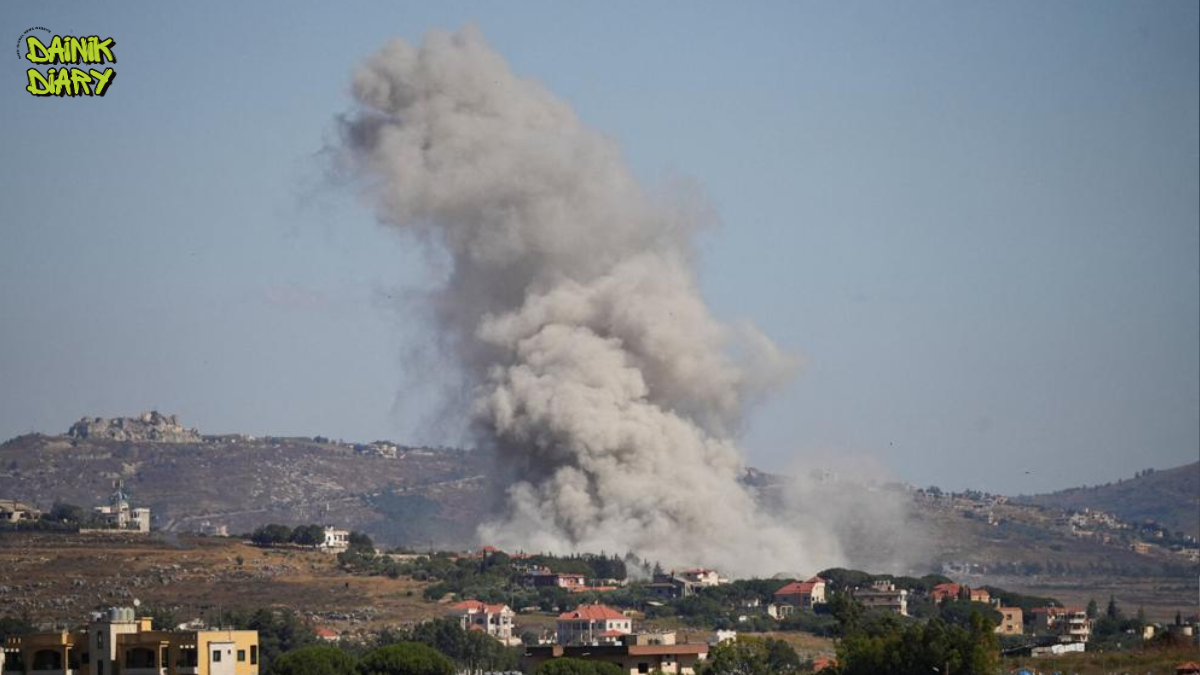
High-stakes diplomacy is underway in Switzerland as representatives from Iran and the United States meet for crucial talks aimed at easing tensions across the Middle East. However, according to Iranian officials, one issue is expected to overshadow all others — the continuing conflict in Lebanon.
Speaking ahead of the negotiations, Iranian Foreign Ministry spokesman Esmaeil Baghaei said that recent developments involving Israel and Hezbollah would be the primary focus of discussions between the two sides.
According to Baghaei, Tehran believes that Israel has failed to fully uphold commitments linked to efforts aimed at reducing violence in Lebanon, making the issue a central topic during the talks.
“The situation in Lebanon will be the main subject of discussion,” the Iranian official indicated, highlighting concerns over continued instability despite diplomatic efforts to achieve calm.
ALSO READ : Trump Warns Iran ‘We Will Hit Very Hard Tonight’: Why Kharg Island Has Suddenly Become The Center Of A Dangerous New Standoff
The talks come just days after Tehran announced that it had reached an agreement with Washington intended to end months of hostilities that began earlier this year following military confrontations involving the United States, Israel, and Iran.
Under the broader framework of the agreement, reducing tensions in Lebanon was considered a key objective. The understanding was expected to contribute to a halt in clashes involving Hezbollah and Israeli forces, helping prevent a wider regional conflict.
However, recent incidents have raised concerns about the durability of those efforts.
Iranian authorities also pointed to developments surrounding the Strait of Hormuz, one of the world’s most strategically important maritime routes. Iran’s military announced that it had once again closed the waterway amid concerns linked to the ongoing regional situation.
Despite the tensions, there were signs of cautious optimism. Baghaei noted that no major new strikes had been reported in Lebanon after Saturday evening and described the current situation as a “fragile cessation” of hostilities.

In addition to security concerns, negotiators are expected to discuss several other key issues, including frozen Iranian financial assets, the future of Iranian oil exports, and broader economic matters affecting relations between Tehran and Washington.
The negotiations are taking place at the scenic Burgenstock resort in the Swiss mountains, where delegations from both countries are being joined by mediators from Pakistan and Qatar.
Political analysts say the outcome of the talks could have significant implications not only for Iran and the United States but for the wider Middle East, where multiple conflicts remain interconnected.
With tensions still simmering and diplomatic expectations running high, the focus now turns to whether negotiators can transform a fragile pause in violence into a more lasting path toward regional stability.