World News
Trump’s Big Tariff Warning for Generic Drugs: Will India’s Pharma Exports Face a Massive Blow From 2028?
US President Donald Trump has announced plans to impose steep tariffs on imported generic medicines from 2028, a move that could significantly impact India’s pharmaceutical exports to its largest overseas market.

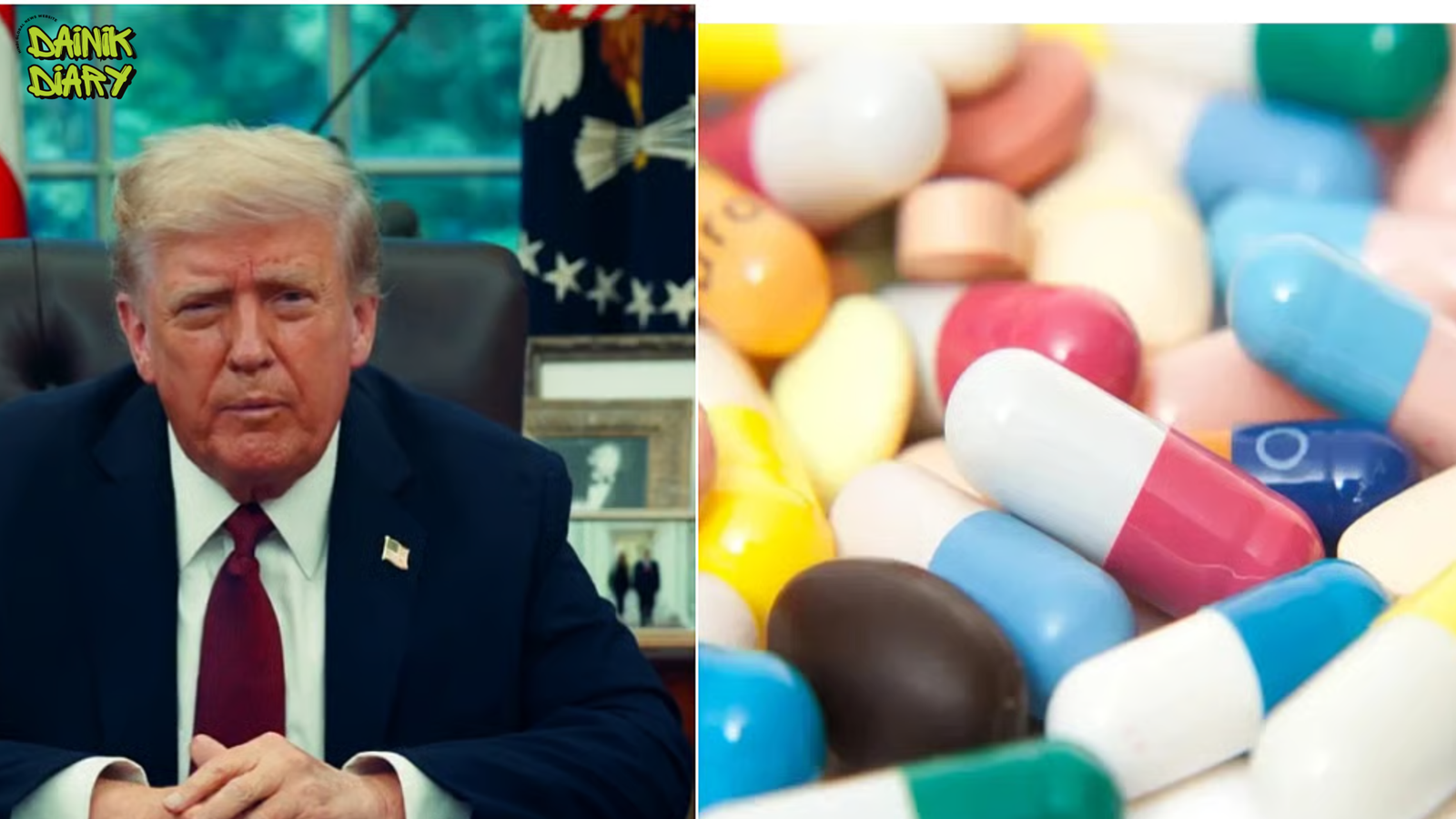
US President Donald Trump has announced a major policy shift that could reshape the global pharmaceutical trade, revealing plans to impose steep tariffs on imported generic medicines beginning in 2028.
The proposal has sparked concerns across the pharmaceutical industry, particularly in India, which is one of the world’s largest exporters of affordable generic drugs and a key supplier to the United States healthcare market.
Tariffs to Begin From 2028
Announcing the measure, Trump said the tariffs are aimed at encouraging pharmaceutical companies to expand manufacturing within the United States and reduce dependence on imported medicines.
According to the proposed plan, companies will be given time until 2028 before the higher import duties come into effect, allowing manufacturers an opportunity to establish or expand production facilities in the US.
The announcement is part of a broader push to strengthen domestic manufacturing and secure pharmaceutical supply chains.
India’s Pharma Industry Could Feel the Impact
The United States remains the largest export destination for India’s pharmaceutical sector, with Indian companies supplying a significant share of generic medicines consumed by American patients.
If the proposed tariffs are implemented, Indian drug manufacturers could face higher costs, reduced competitiveness and increased pricing pressure in one of their most important international markets.
Industry experts believe the policy could particularly affect companies that rely heavily on exports of low-cost generic medicines to the US.
ALSO READ : Trump Warns Iran ‘We Will Hit Very Hard Tonight’: Why Kharg Island Has Suddenly Become The Center Of A Dangerous New Standoff
Possible Shift in Manufacturing Strategy
The tariff announcement may encourage pharmaceutical companies to reconsider their long-term manufacturing strategies.
Several Indian firms already operate manufacturing facilities in the United States, while others could accelerate investments in local production to reduce the impact of future import duties.
Analysts say multinational pharmaceutical companies may also diversify their production networks to adapt to the changing trade environment.
Global Supply Chain Concerns
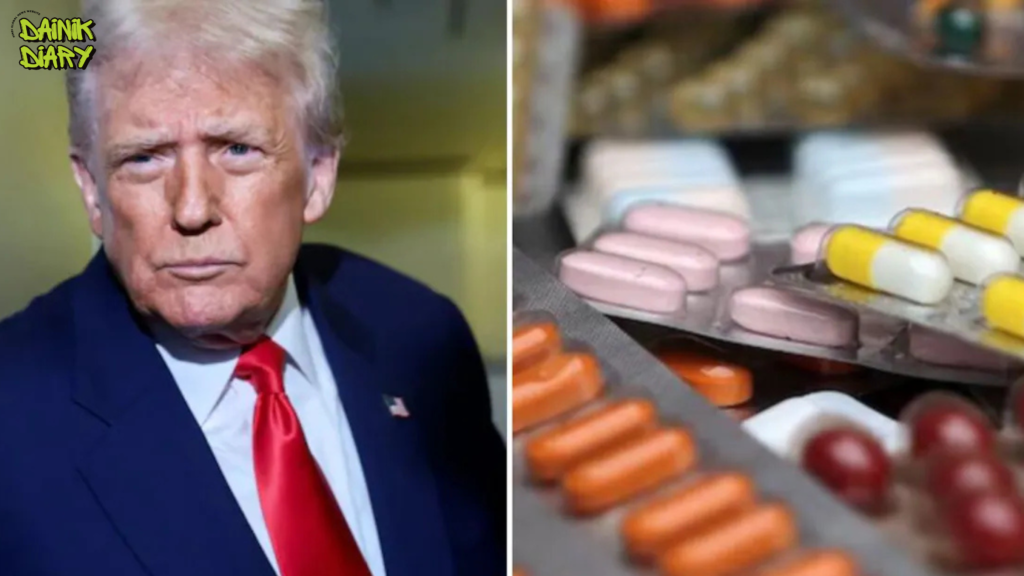
Experts have also warned that higher tariffs on generic medicines could influence drug prices and supply chains if manufacturers pass on additional costs to distributors and healthcare providers.
Generic medicines play a critical role in making healthcare affordable, and any disruption to their supply could have wider implications for both producers and consumers.
The final impact, however, will depend on the detailed implementation of the tariff policy and how pharmaceutical companies respond over the next few years.
Industry Awaits Further Clarity
While Trump’s announcement has drawn global attention, the pharmaceutical industry is now awaiting more details on the scope of the proposed tariffs, possible exemptions and implementation guidelines.
For India’s pharmaceutical sector, which has built a strong reputation as the “pharmacy of the world,” the coming years could prove crucial in adapting to changing US trade policies while maintaining its position in the global healthcare market.