Technology
Xiaomi Pad 9 Series launched with 144Hz 3.2K displays, Snapdragon power: Pad 9 Pro packs a massive 11,000mAh battery
Xiaomi has introduced the Pad 9 and Pad 9 Pro in China, bringing high-refresh-rate displays, Qualcomm Snapdragon chipsets, up to 16GB RAM, large batteries and productivity-focused HyperOS 4 features.

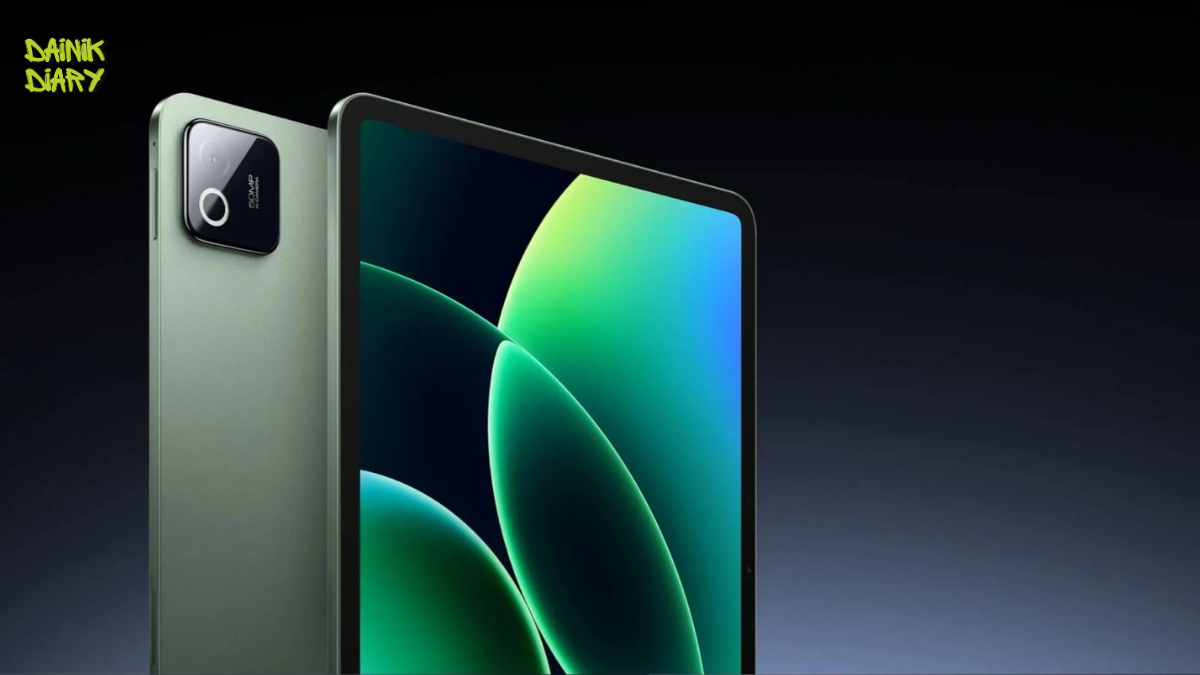
Xiaomi has expanded its tablet portfolio with the launch of the Xiaomi Pad 9 and Xiaomi Pad 9 Pro in China. Although the two tablets belong to the same family and share several features, the company has positioned the Pro model as the more powerful option with upgraded performance, memory and battery hardware.
One of the biggest attractions across the new lineup is the display. Both devices feature 3.2K screens with an adaptive refresh rate of up to 144Hz and claimed peak brightness of 1,000 nits. The key difference is size: the Pad 9 comes with an 11.2-inch display, while the Pad 9 Pro gets a larger 12.5-inch panel.
Snapdragon 8 Gen 5 gives Pad 9 Pro the performance edge
Under the hood, Xiaomi has made a clear distinction between the two models. The standard Pad 9 is powered by Qualcomm’s Snapdragon 8s Gen 4, while the more premium Pad 9 Pro steps up to the Snapdragon 8 Gen 5.
The Pad 9 Pro is available with as much as 16GB RAM. Its 12GB and 16GB variants use faster LPDDR5T RAM rated at 9,600Mbps, while the 8GB model uses LPDDR5X memory rated at 8,533Mbps.
Storage technology also varies by configuration. The entry-level 128GB Pad 9 Pro uses UFS 3.1, while higher configurations feature faster UFS 4.1 storage.
11,000mAh battery headlines Pad 9 Pro specifications
Battery capacity is another major differentiator. The Xiaomi Pad 9 Pro houses a sizeable 11,000mAh battery supporting 67W wired charging and up to 22.5W reverse charging.
Xiaomi claims the tablet can deliver up to 14.5 hours of short-video playback or as much as 20 hours of online meetings, although real-world endurance will depend on usage conditions.
The regular Xiaomi Pad 9, meanwhile, packs a 9,720mAh battery with 45W wired charging and the same 22.5W reverse charging capability. Xiaomi lists similar endurance claims for the standard model.
HyperOS 4 and productivity tools included
Both tablets ship with Xiaomi HyperOS 4, putting the two models on equal footing in terms of their core software experience.
The tablets support a range of productivity-focused applications, including WPS for Pad, Jianying Pro, PixelCake, ZWCAD and CAJ Reader. The company has also equipped the devices with its Super XiaoAI 2.0 AI assistant.
For users interested in digital artwork, handwriting or note-taking, both tablets support the Xiaomi Focus Stylus Pro. However, the stylus is sold separately.
Xiaomi Pad 9 price starts at CNY 2,999
The Xiaomi Pad 9 starts at CNY 2,999 (roughly Rs 42,800) for the 8GB RAM and 128GB storage configuration.
The 8GB + 256GB model is priced at CNY 3,299 (around Rs 47,000), while the 12GB + 256GB version costs CNY 3,799 (approximately Rs 54,000). Xiaomi is additionally offering an 8GB + 256GB Soft-Light Edition for CNY 3,499 (roughly Rs 49,900).
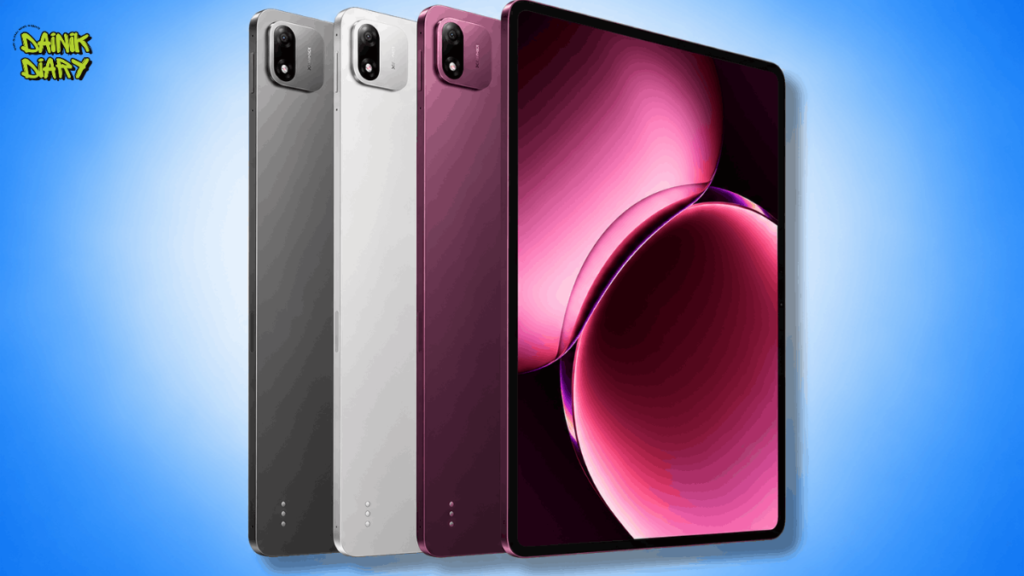
The tablet is available in colours translated from Chinese as Silver, Cloud Cedar Green, Black and Ice Peach Pink.
How much does Xiaomi Pad 9 Pro cost?
The Xiaomi Pad 9 Pro begins at CNY 3,799 (approximately Rs 54,000) for the 8GB + 128GB configuration.
The 8GB + 256GB model costs CNY 4,099 (roughly Rs 58,500), while the 12GB + 256GB configuration is priced at CNY 4,599 (around Rs 65,600).
Buyers looking for the highest memory option can choose the 16GB + 256GB model for CNY 4,999 (approximately Rs 71,300). A 12GB + 256GB Soft-Light Edition is also available at CNY 4,799 (roughly Rs 68,400).
For now, the new Xiaomi Pad 9 series has been announced for the Chinese market. Details regarding availability and official pricing in India or other international markets will depend on Xiaomi’s regional launch plans.