World News
Trump Promised ‘No Nukes, No Missiles, New Leadership’ in Iran Three Months Later, How Much Has Actually Changed?
A fragile peace deal may be in place, but questions remain over Iran’s nuclear ambitions, missile arsenal, regional influence, and whether Donald Trump truly achieved his wartime objectives.

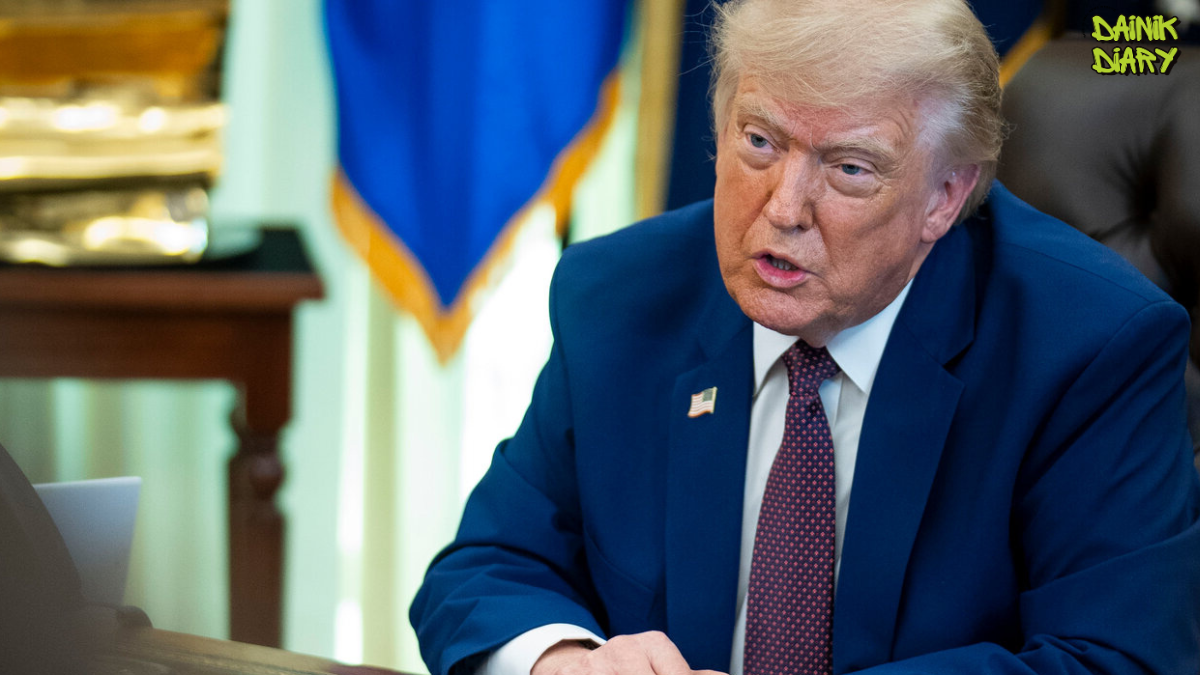
More than three months after the United States and Israel launched a major military campaign against Iran, a preliminary peace agreement has brought a pause to hostilities. Yet the bigger question remains unanswered: Did US President Donald Trump achieve the ambitious goals he set at the start of the conflict?
From dismantling Iran’s missile capabilities to preventing it from acquiring nuclear weapons and even encouraging political change in Tehran, Trump outlined a broad agenda when the war began. While US officials point to significant military gains, experts say the overall picture is far more complex.
Iran’s Missile Arsenal Takes a Major Hit
One of Washington’s primary objectives was weakening Iran’s formidable missile and drone program.
Before the conflict, Iran possessed what was considered the largest ballistic missile stockpile in the Middle East, with estimates ranging from 2,500 to 6,000 missiles. Many of these weapons were capable of striking targets across the region, including Israel.
According to US military assessments, a substantial portion of that arsenal has either been destroyed, damaged, or rendered unusable. American officials have claimed that Iran’s ability to manufacture and stockpile advanced missiles and long-range drones has been pushed back by several years.
Military leaders also reported that more than 1,500 missiles and 6,000 drones were intercepted during the conflict by the US and its allies.
However, Iran has demonstrated that it still retains strike capability. In recent weeks, missiles were launched toward regional targets, including Israel and Gulf nations, indicating that Tehran’s missile threat has been weakened but not eliminated.
Iran’s Conventional Military Weakened
US officials argue that another major success has been the degradation of Iran’s conventional military power.
American military commanders have stated that large portions of Iran’s naval fleet were destroyed and that much of its air-defense infrastructure was knocked out during the campaign. Iran’s air force, once conducting numerous missions daily, has reportedly seen its operational capabilities drastically reduced.
Yet despite these setbacks, Iran managed to maintain pressure on one of the world’s most critical maritime routes — the Strait of Hormuz.
Through the use of speedboats, drones, mines, and missile-equipped vessels, Tehran was able to disrupt shipping traffic throughout the conflict, highlighting that it still possesses tools capable of affecting global energy markets.
The Nuclear Question Remains Unresolved
Perhaps the most important objective for Trump was ensuring that Iran never develops a nuclear weapon.
While military strikes targeted key facilities linked to Iran’s nuclear program, intelligence assessments suggest the conflict has not fundamentally altered Tehran’s nuclear potential.
Recent estimates indicate that Iran could still achieve a nuclear weapons capability within a similar timeframe as before the conflict, making the issue a central topic in ongoing diplomatic negotiations.
A major point of disagreement remains Iran’s stockpile of enriched uranium. Washington wants the material removed from the country, while Iranian leaders insist it must remain under national control.
As negotiations continue, the nuclear file remains one of the biggest unresolved challenges between the two sides.
ALSO READ : Historic Takeoff, First Commercial Flight Lands at Noida Airport in Jewar, A New Era for UP Aviation Begins
Regional Proxy Network Under Pressure
For decades, Iran has projected influence across the Middle East through allied groups and armed movements in countries such as Lebanon, Iraq, Yemen, and Gaza.
Trump repeatedly argued that Tehran’s ability to support these groups needed to be curtailed.
Military assessments suggest that Iran’s network of regional allies has become significantly less effective than in previous years. However, analysts note that many of these setbacks began long before the latest conflict, largely due to ongoing regional wars, economic sanctions, and leadership losses within various groups.
Although some Iran-backed organizations remain active, their role in the recent conflict was considerably more limited than many observers had expected.
US officials also claim that Iran’s ability to transfer advanced weapons to allied groups has been severely restricted.
Regime Change Never Materialized
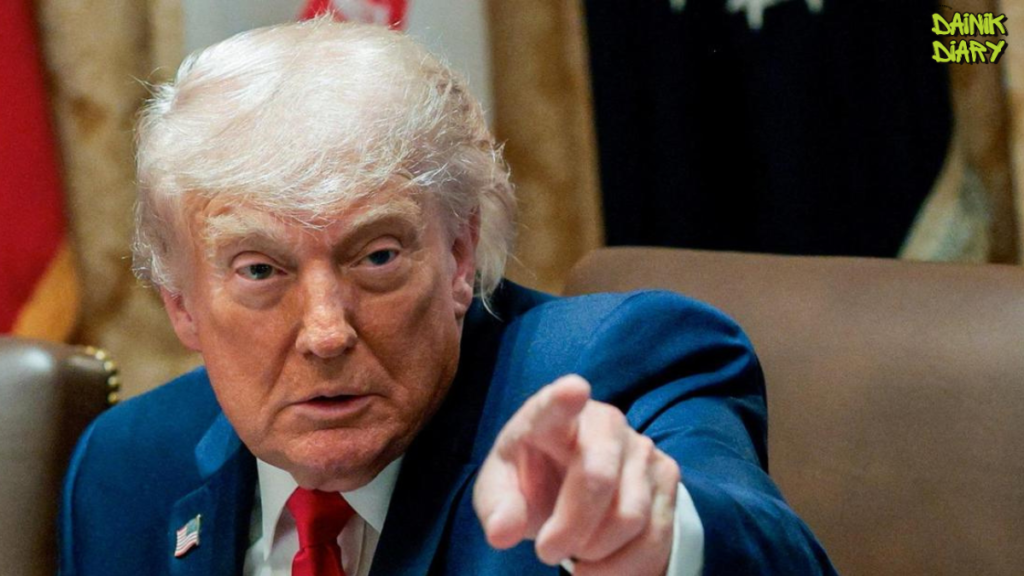
One of the most controversial aspects of Trump’s rhetoric during the conflict involved calls for political change in Tehran.
The US President repeatedly suggested that Iran’s leadership should be replaced and argued that the war presented a rare opportunity for change inside the country.
However, the conflict did not lead to the collapse of Iran’s political system.
While leadership transitions have taken place within the country’s ruling structure, Iran’s governing establishment remains firmly in power. In recent weeks, Trump has largely stepped back from public calls for regime change and has instead focused on maintaining the ceasefire and advancing diplomatic talks.
Victory or Work in Progress?
Supporters of the Trump administration argue that the campaign achieved significant military objectives by weakening Iran’s armed forces, reducing missile stockpiles, and limiting its regional influence.
Critics counter that Iran’s nuclear capabilities remain largely intact, its government remains in power, and its ability to influence events across the Middle East has not completely disappeared.
As diplomats work to finalize a broader agreement, the ultimate success or failure of the conflict may depend less on the battlefield and more on what happens at the negotiating table in the months ahead.
For now, the war may have paused, but the debate over its long-term outcomes is only beginning.