
Business
IndiGo Makes Big Offer to CCI After 4,000+ Flight Cancellations: Crisis Team, Fare Cap and Slot Handover Proposed…
The Competition Commission of India has invited public feedback on IndiGo parent InterGlobe Aviation’s commitments in an abuse-of-dominance investigation linked to the airline’s massive December 2025 disruption.


India’s largest airline IndiGo has proposed a series of measures aimed at addressing concerns raised by the Competition Commission of India (CCI) following the airline’s massive flight disruption in December 2025.
The commitments include setting up a dedicated crisis management group during large-scale disruptions, avoiding excessive fare increases and temporarily handing over airport slots to authorities when the airline’s operations face severe disruption.
The proposals come as the competition regulator seeks public views on the commitments offered by InterGlobe Aviation Limited, the parent company of IndiGo.
For passengers who were caught in the chaos of December 2025, the development could be significant.
The airline’s disruption resulted in thousands of cancelled flights, stranded passengers and widespread uncertainty across airports. Now, IndiGo is offering a framework that could change how it responds to similar situations in the future.
But there is still an important question: Will the CCI accept the airline’s commitments and close the case, or will the investigation continue?
CCI Invites Public Comments on IndiGo’s Proposal
The CCI has invited comments, objections and suggestions from interested parties and stakeholders regarding IndiGo’s commitment proposal.
The deadline for submitting feedback has been set as August 13, 2026.
The proposal has been submitted under India’s settlement and commitment framework introduced through the Competition (Amendment) Act, 2023.
The mechanism allows companies facing competition-law investigations to voluntarily offer corrective measures or agree to commitments intended to address regulatory concerns.
The broader objective is to encourage quicker market correction while potentially reducing lengthy litigation.
In IndiGo’s case, the proposal comes against the backdrop of the CCI’s investigation into alleged abuse of dominant market position.
Read More- Akasa Air Makes Big Mumbai Airport Move From August 1: All Flights to Shift to Terminal 2, Passengers Alerted…
What Happened During the December Flight Crisis?
The regulatory action stems from a major disruption that affected India’s aviation sector in December 2025.
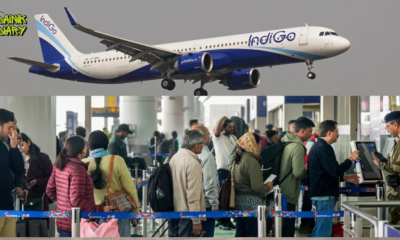
According to the information provided in the case, IndiGo cancelled more than 4,000 flights between December 1 and 9, creating significant disruption for passengers across the country.
The cancellations were reportedly linked primarily to crew shortages and problems managing pilot duty rosters following the implementation of the Directorate General of Civil Aviation (DGCA)‘s second phase of revised Flight Duty Time Limitation (FDTL) rules.
As aircraft and crew schedules became increasingly difficult to manage, the disruption spread across the airline’s network.
Passengers were left facing cancelled flights, delayed travel plans and uncertainty at airports during a period of high demand.
The situation eventually prompted the competition regulator to examine whether the airline’s conduct raised concerns under competition law.
CCI Ordered Investigation Into IndiGo
On February 4, 2026, the CCI reportedly ordered an investigation into IndiGo after finding prima facie evidence suggesting a possible abuse of dominant position.
The regulator’s concerns focused on the impact of the large-scale cancellations.
According to the CCI’s preliminary observations, the cancellation of thousands of flights represented a significant portion of the airline’s planned capacity.
The Commission noted that this could have effectively reduced the availability of air travel in the market and created artificial scarcity at a time when passenger demand was high.
The resulting shortage of available flights could potentially have limited consumer choice and affected passengers who had few alternatives.
The investigation therefore moved beyond the immediate operational problems and into the broader question of whether the disruption had competition-related consequences.

IndiGo Promises a Crisis Management Group Within Minutes
One of the key commitments proposed by IndiGo is the creation of a dedicated Crisis Management Group during large-scale disruptions.
According to the proposal, the group would be constituted virtually within 15 minutes of a major disruption.
The airline would then physically activate the crisis management team at its command centre within approximately one hour.
The idea is to ensure that a large-scale operational crisis is handled through a structured response rather than allowing disruptions to grow across the network.
Once activated, the group would be responsible for planning and executing network adjustments to help restore normal operations.
For passengers, the effectiveness of such a system could ultimately depend on how quickly the airline can deploy alternative flights and manage aircraft and crew resources.
What Counts as a ‘Large-Scale Disruption’?
IndiGo has proposed a specific definition for a large-scale disruption.
Under its commitment proposal, the situation would qualify when more than 30 per cent of the airline’s planned capacity for a day is affected.
However, the definition reportedly excludes disruptions caused by circumstances beyond the airline’s control.
These include events such as:
- Adverse weather
- Technical failures
- Regulatory restrictions
- Crew strikes
- Airport closures
- Other force majeure circumstances
The distinction is important because the proposed commitments would primarily apply when the airline itself is responsible for managing a major operational disruption.
Passengers Could Get Alternative Flights Within 48 to 72 Hours
Another major part of the proposal concerns passengers whose flights are cancelled during a large-scale disruption.
IndiGo has proposed offering affected travellers alternative flights within 48 to 72 hours.
Passengers accepting the alternative arrangements would reportedly not have to pay additional charges or fare differences.
For those who cannot be accommodated or choose not to accept the alternative option, the airline has proposed automatic refunds within a defined period.
Passengers would also receive compensation wherever required under applicable DGCA regulations.
If implemented, these measures could offer passengers a clearer process during future large-scale disruptions.
The December crisis highlighted how quickly a disruption can become chaotic when thousands of passengers are simultaneously searching for alternative travel arrangements.
IndiGo Proposes Restrictions on Fares During Major Disruptions
Perhaps one of the most closely watched commitments involves ticket pricing.
IndiGo has proposed that it would not charge fares above the levels recently submitted to the DGCA for new bookings during a large-scale disruption.
The restriction would reportedly remain in place until the airline’s capacity is restored.
The proposal is particularly significant because large-scale cancellations can dramatically reduce the number of available seats.
When demand remains high but capacity falls, ticket prices can rise sharply.
By offering to restrict fares during such disruptions, IndiGo appears to be addressing concerns about passenger affordability and access to alternative flights.
The effectiveness of the proposal, however, will depend on the exact pricing framework and how it is monitored.
Airport Slots Could Be Temporarily Handed Over
IndiGo has also proposed temporarily handing over airport slots to airport operators or authorities in the event of a major disruption.
The measure could allow other airlines to potentially use available capacity and help restore connectivity on affected routes.
This is an important proposal given IndiGo’s dominant position in India’s domestic aviation market.
If a major portion of its planned flights were cancelled, temporarily making slots available could create opportunities for other carriers to step in.
That could potentially increase passenger choice and reduce the impact of a sudden capacity shortage.
IndiGo Says December Disruption Was an Isolated Event
While offering commitments to address the CCI’s concerns, IndiGo has reportedly maintained that the December 2025 crisis was an isolated event.
The airline has argued that the disruption resulted from a combination of unforeseen circumstances and that its conduct did not create anti-competitive effects.
At the same time, the airline has offered the proposed commitments to address the Commission’s preliminary concerns and reduce inconvenience for passengers.
The submission does not necessarily mean that IndiGo has accepted all the allegations raised by the regulator.
Instead, the commitment mechanism provides a potential route for addressing concerns through corrective measures.
What Happens Next?
The next major step is the public consultation.
The CCI is now seeking feedback from stakeholders, industry participants and other interested parties on IndiGo’s proposal.
Comments, objections and suggestions can reportedly be submitted until August 13, 2026.
The feedback could influence how the regulator evaluates the commitments and whether any changes are required.
For IndiGo, the process could eventually provide a path toward resolving the competition concerns surrounding the December disruption.
For passengers, however, the bigger issue is whether these commitments will actually prevent a repeat of the chaos witnessed last year.
The proposed crisis team, fare restrictions, alternative flights and temporary slot handovers represent significant steps on paper.
But the real test will come when the next major disruption hits.
If IndiGo can respond faster, protect passengers from sudden fare spikes and make capacity available to competitors when its own network is severely affected, the measures could mark a meaningful change in how India’s largest airline handles operational crises.
For now, the CCI has opened the door for public scrutiny.
And after more than 4,000 flight cancellations turned India’s aviation network upside down, all eyes will now be on what the regulator decides next…









Pingback: Adani's Aviation Expansion Sparks A New Battle: Why IndiGo And Air India Are Raising The Alarm - Dainik Diary - Authentic News