Business
Coca-Cola Hit by Aluminum Crisis in India: Middle East Shipping Disruptions Trigger Price Hikes, Packaging Shortages and Market Share Loss
The beverage giant’s India business faced a challenging second quarter as soaring aluminum and PET plastic costs, coupled with supply chain disruptions, forced price increases and dented its competitive position.


The Coca-Cola Company has encountered a difficult quarter in India, with the global beverage giant confirming that it lost market share during the second quarter as rising raw material prices and geopolitical disruptions created significant operational challenges.
The company has been battling an unexpected surge in the cost of aluminum and PET plastic, two of the most important materials used in beverage packaging. At the same time, shipping disruptions linked to the ongoing conflict in the Middle East have complicated the supply of aluminum cans, forcing the company to rethink its packaging strategy for the Indian market.
Raw Material Costs Put Pressure on Pricing
According to the company, the sharp increase in packaging costs has significantly raised production expenses. To offset the impact, Coca-Cola has implemented price hikes across selected products, making some of its offerings more expensive for consumers.
The situation has been particularly challenging in India’s highly price-sensitive beverage market, where even small price changes can influence consumer buying decisions and intensify competition.
Read More- Coca-Cola Loses Market Share in India as Aluminium Costs Soar: Diet Coke Demand Surges 10x… But There’s a Catch
Industry experts note that maintaining affordable price points remains critical for beverage companies operating in fast-growing emerging markets like India.
Shipping Disruptions Worsen Packaging Shortage
The supply crunch has been further aggravated by disruptions in commercial shipping through the Strait of Hormuz, one of the world’s busiest maritime trade routes. The ongoing geopolitical tensions in the region have delayed shipments and affected the availability of aluminum cans used for beverage packaging.
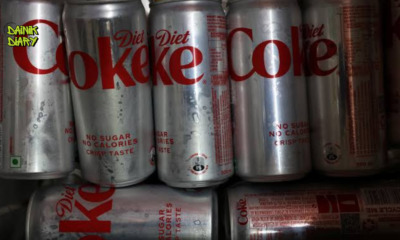
As supplies tightened, Diet Coke experienced shortages in several markets, leading to unusually high consumer demand. Reports suggested that limited availability even sparked panic buying, with some consumers organising informal “Diet Coke parties” to secure available stock.

To maintain product availability, the company began importing larger 330 ml aluminum cans from Southeast Asia, replacing its standard 300 ml cans. However, the switch has pushed retail prices higher, with some products becoming more than 10% costlier.
Competitive Pressure in a Price-Sensitive Market
The higher packaging costs have also exposed pricing gaps within Coca-Cola’s mid-tier product portfolio. This has temporarily reduced the company’s competitiveness against rivals offering more affordable alternatives in similar categories.
India remains one of Coca-Cola’s most strategically important growth markets, making the current challenges particularly significant despite their expected short-term nature.
Analysts believe that while inflation in packaging materials has affected multiple consumer goods companies, beverage manufacturers are among the most exposed because packaging represents a substantial portion of overall production costs.
Company Remains Optimistic About Long-Term Growth
Despite the difficult quarter, Coca-Cola remains confident about its long-term prospects in India. Company leadership believes the current supply issues are temporary and expects demand for Diet Coke to remain strong.
Executives have projected that Diet Coke sales volumes in India could still grow by as much as tenfold during the year, provided supply constraints gradually ease and packaging availability improves.
With India continuing to be one of the world’s fastest-growing consumer markets, Coca-Cola is expected to continue investing in pricing strategies, packaging innovation and supply chain resilience to strengthen its position in the country.