World News
Why Iran’s New Supreme Leader Mojtaba Khamenei Stayed Away From Ali Khamenei’s Funeral… The Real Reason Explained
Mojtaba Khamenei’s absence from his father’s state funeral sparked global speculation, with reports pointing to heightened security concerns amid Iran’s sensitive leadership transition.

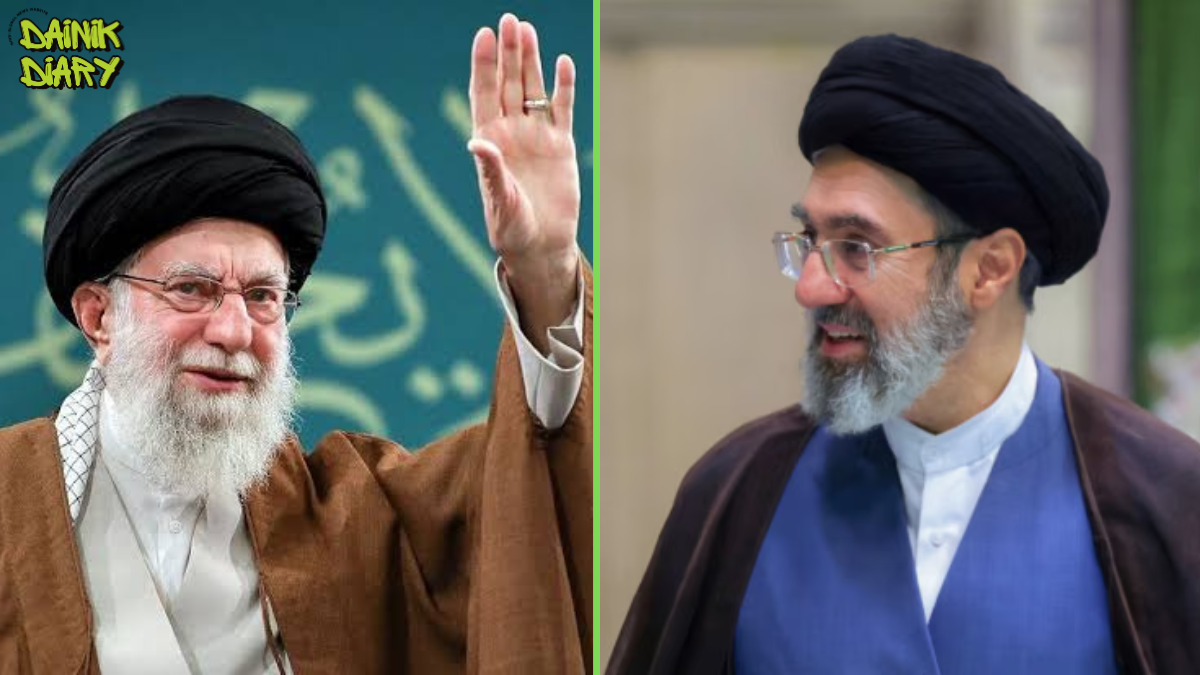
The absence of Iran’s new Supreme Leader Mojtaba Khamenei from the state funeral of his father, Ali Khamenei, has drawn international attention and triggered widespread debate over the country’s leadership transition.
As millions of mourners gathered in Tehran and later Mashhad to pay their final respects to the late leader, many expected Mojtaba Khamenei to make his first major public appearance since assuming the country’s highest office. Instead, he remained out of public view throughout the ceremonies.
Although Iranian authorities have not officially explained his absence, reports suggest that extraordinary security concerns were the primary reason.
Security Concerns Reportedly Behind the Decision
According to multiple international media reports, Iranian officials are believed to be taking extensive precautions following the attacks that reportedly killed Ali Khamenei earlier this year.
Reports indicate that Mojtaba Khamenei was also injured during the same conflict and has maintained a low public profile since becoming Supreme Leader.
Rather than appearing publicly, he has so far communicated through written statements, with officials reportedly prioritising his security during a period of heightened regional tensions.
While Tehran has not confirmed these details officially, analysts believe the decision reflects the sensitive security environment surrounding Iran’s top leadership.
A Swift Transfer of Power
Following Ali Khamenei’s death, Iran’s Assembly of Experts moved quickly to appoint Mojtaba Khamenei as the country’s new Supreme Leader, avoiding a prolonged leadership vacuum.
The rapid succession ensured continuity within the Islamic Republic’s political system. However, the transition also attracted criticism from some observers, who argued that leadership passing from father to son resembled a dynastic transfer of power—an issue that has generated debate both inside and outside Iran.
ALSO READ : Trump Warns Iran ‘We Will Hit Very Hard Tonight’: Why Kharg Island Has Suddenly Become The Center Of A Dangerous New Standoff
Funeral Showcased State Unity
The funeral ceremonies stretched across several days, with memorial events held in both Iran and Iraq before Ali Khamenei was laid to rest at the Imam Reza Shrine in Mashhad.
Iranian state media portrayed the large crowds as a demonstration of national unity and support for the country’s leadership.
Television broadcasts showed mourners carrying flags, dressed in black, and chanting slogans expressing support for the Islamic Republic.
Underlying Political Divisions Remain

Despite the massive public turnout, the funeral also highlighted continuing political and economic challenges facing Iran.
The country remains under significant international sanctions while dealing with economic pressures and internal political disagreements.
Reports also suggested that differences within Iran’s ruling establishment became visible during the funeral, with some hardline supporters reportedly criticising officials perceived as favouring diplomatic engagement with the United States.
Attention Turns to Mojtaba Khamenei
For now, Mojtaba Khamenei continues to remain largely absent from public view.
His continued reliance on written statements has fuelled speculation over when he will make his first major public appearance as Supreme Leader.
As Iran navigates regional security challenges, economic uncertainty and complex diplomatic pressures, both domestic and international observers will be closely watching how the country’s new leadership shapes its future in the months ahead.