World News
US Senate’s Russia Sanctions Bill Puts India in Spotlight: Could Trump Impose 100% Tariffs Over Russian Oil Imports?
A new bipartisan US Senate bill has raised fresh concerns for India as it gives the US President the authority to impose tariffs of up to 100% on countries importing Russian energy. While the legislation is yet to become law, India could face increased scrutiny due to its growing dependence on discounted Russian crude.

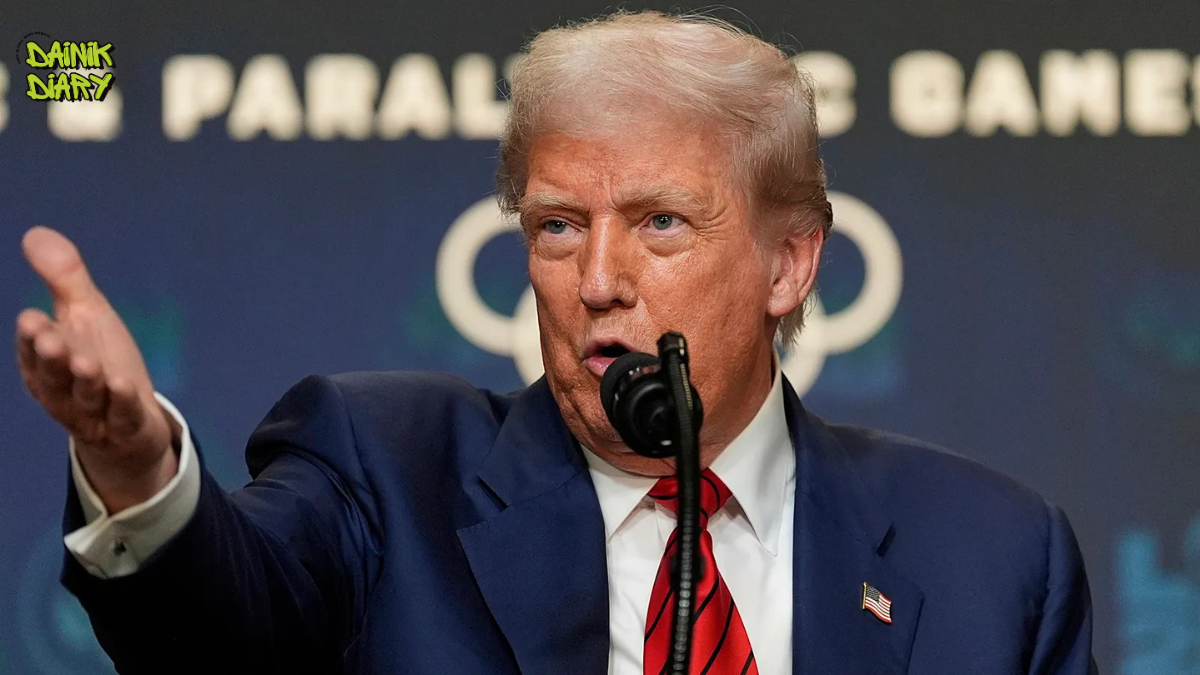
India’s energy trade with Russia has once again come under the global spotlight after the United States Senate advanced a bipartisan sanctions bill that could significantly reshape international trade dynamics. The proposed legislation gives the US President the power to impose tariffs of up to 100% on imports from countries that continue purchasing Russian crude oil and natural gas.
Although the bill has not yet become law, it has sparked widespread debate over its possible impact on India’s energy security and trade relations with the United States.
What is the proposed US sanctions bill?
The legislation, known as the Lindsey O. Graham Sanctioning Russia and Iran Act of 2026, seeks to strengthen economic pressure on Russia by targeting nations that continue buying its energy exports.
The bill recently cleared an important procedural hurdle in the US Senate, where lawmakers voted 86-12 to move it closer to a final vote. If approved by the Senate, it will still require passage in the House of Representatives and the signature of President Donald Trump before becoming law.
Importantly, the bill does not automatically impose tariffs. Instead, it grants discretionary powers to the US President to determine whether tariffs should be imposed, which countries should be targeted, and the rate of those tariffs up to a maximum of 100%.
Why is India under the scanner?
India has emerged as one of the world’s largest buyers of Russian crude oil following Western sanctions on Moscow. As supplies from parts of the Middle East have faced disruptions, including concerns surrounding shipping routes through the Strait of Hormuz, India has increased purchases of discounted Russian oil to meet its growing energy demand.
According to available trade data, India’s imports of Russian crude touched nearly 2.6 million barrels per day in June and have remained at similar levels in July.
Russia now accounts for more than 30% of India’s crude oil imports, making it the country’s largest oil supplier. The discounted prices have helped India reduce import costs, strengthen energy security and keep domestic inflation under control.
How could the tariffs work?
Under the proposed legislation, the Office of the United States Trade Representative (USTR) would review the world’s five largest importers of Russian energy every 180 days.
Based on current trade patterns, countries likely to come under review include:
- India
- China
- Slovakia
- Hungary
- Azerbaijan
Following the review, the US President would have the authority to decide whether tariffs should be imposed, determine the tariff percentage and grant exemptions where appropriate.
ALSO READ : Donald Trump’s joke falls flat at White House Correspondents’ Dinner as awkward silence fills the room
Countries importing less than 15% of their total energy requirements from Russia and demonstrating efforts to reduce dependence may qualify for exemptions.
Experts warn India could face greater pressure
Trade experts believe the proposed legislation gives the US administration considerable flexibility in deciding which countries to target.
Ajay Srivastava, Founder of the Global Trade Research Initiative (GTRI), believes India could attract greater scrutiny despite importing significantly less Russian crude than China.
He points to previous trade actions where India faced tariffs while China avoided similar measures, suggesting that geopolitical considerations may influence future decisions as much as trade data.

According to GTRI, the proposed law reflects Washington’s expanding use of economic tools including tariffs, sanctions and trade restrictions to pursue strategic foreign policy objectives.
India’s balancing act
Energy analysts argue that India’s crude oil sourcing decisions remain driven primarily by affordability, energy security and long-term national interests.
With global oil markets still facing uncertainty and geopolitical tensions affecting traditional supply routes, Russian crude continues to provide India with a cost-effective alternative.
Experts also suggest that New Delhi is likely to continue engaging with Washington through diplomatic channels while protecting its strategic autonomy in energy procurement.
What happens next?
For now, there is no immediate impact on Indian exports or oil imports. The legislation still has to pass several stages before becoming law, and even then, any tariff decision would depend entirely on the discretion of the US President.
However, if enacted, the bill could become another significant factor in the evolving trade relationship between India and the United States, especially as both countries continue negotiations on broader economic and strategic cooperation.