World News
It’s A Waste of Time Donald Trump Says US-Iran Deal Is ‘Over’… But Leaves the Door Open for More Talks
Speaking on the sidelines of the NATO Summit, US President Donald Trump said he no longer believes a peace deal with Iran is viable, even as American officials continue diplomatic engagement amid escalating military tensions.

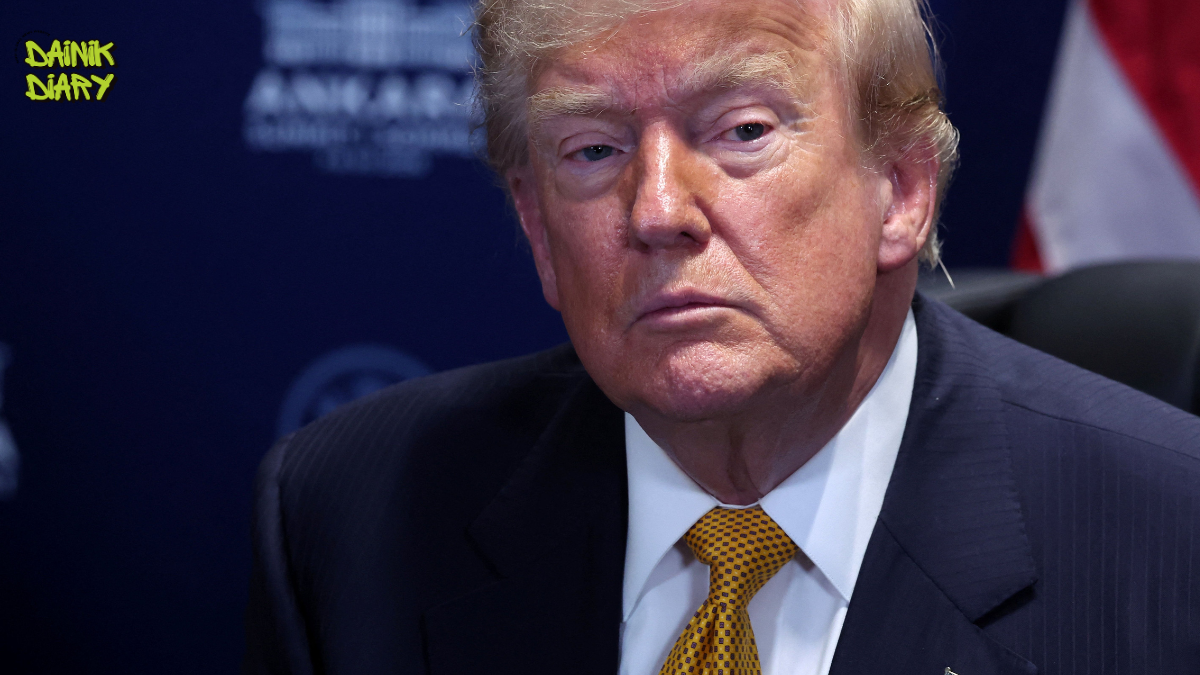
ANKARA: US President Donald Trump has declared that the interim understanding between the United States and Iran to halt hostilities is effectively “over,” signaling a sharp deterioration in relations between the two countries following a fresh round of military escalation.
Speaking to reporters on the sidelines of the NATO Summit in Ankara, Turkey, Trump expressed frustration over the current situation and questioned whether continued diplomacy with Tehran would produce any meaningful outcome.
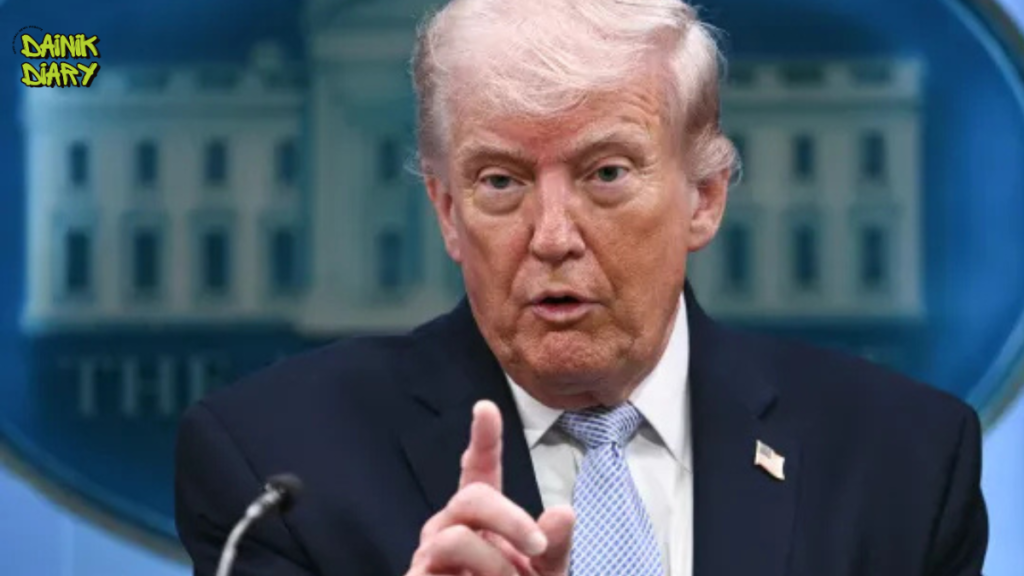
“For me, I think it’s over. I don’t want to deal with them anymore. It’s just a waste of time dealing with them,” Trump said.
Despite his remarks, the US President indicated that American representatives would still be permitted to continue discussions with Iranian officials, although he made it clear that he has little confidence in the negotiations.
ALSO READ : Trump Warns Iran ‘We Will Hit Very Hard Tonight’: Why Kharg Island Has Suddenly Become The Center Of A Dangerous New Standoff
“They can talk, but I think they’re wasting their time,” he added.
Military Escalation Raises Regional Concerns
Trump’s comments came just hours after the United States announced military strikes on Iranian-linked assets in Bandar Abbas, Sirik, and Qeshm Island. According to Washington, the operation was carried out in response to attacks on commercial vessels in the Strait of Hormuz, a strategically vital maritime route.
Alongside the military action, the US administration also revoked a license that had previously allowed the sale of Iranian oil, increasing economic pressure on Tehran.
Iran Responds as Conflict Deepens
The situation escalated further after Iran reportedly launched retaliatory strikes targeting locations in Bahrain and Kuwait, raising fears that the fragile pause in hostilities could collapse entirely.
The exchange of military action has intensified concerns among international observers, who warn that the conflict could spread across the Middle East, affecting regional security, global shipping routes, and energy markets.
Diplomacy Continues Despite Harsh Rhetoric
Although Trump dismissed the value of further negotiations, diplomatic channels remain formally open. Analysts believe continued dialogue could still play a role in preventing a broader regional confrontation, even as trust between both sides appears to be at one of its lowest points in recent years.
World leaders are closely monitoring developments, with many urging restraint to avoid further escalation in an already volatile region.
As military and diplomatic efforts unfold simultaneously, the coming days are expected to be crucial in determining whether the crisis moves toward renewed negotiations or a deeper conflict.