World News
Nearly 6,000 Seafarers Trapped in the Persian Gulf… UN Issues Urgent Appeal as US-Iran Tensions Escalate
The International Maritime Organization has called for immediate restraint after renewed military tensions between the United States and Iran left thousands of seafarers stranded in one of the world’s busiest shipping routes.

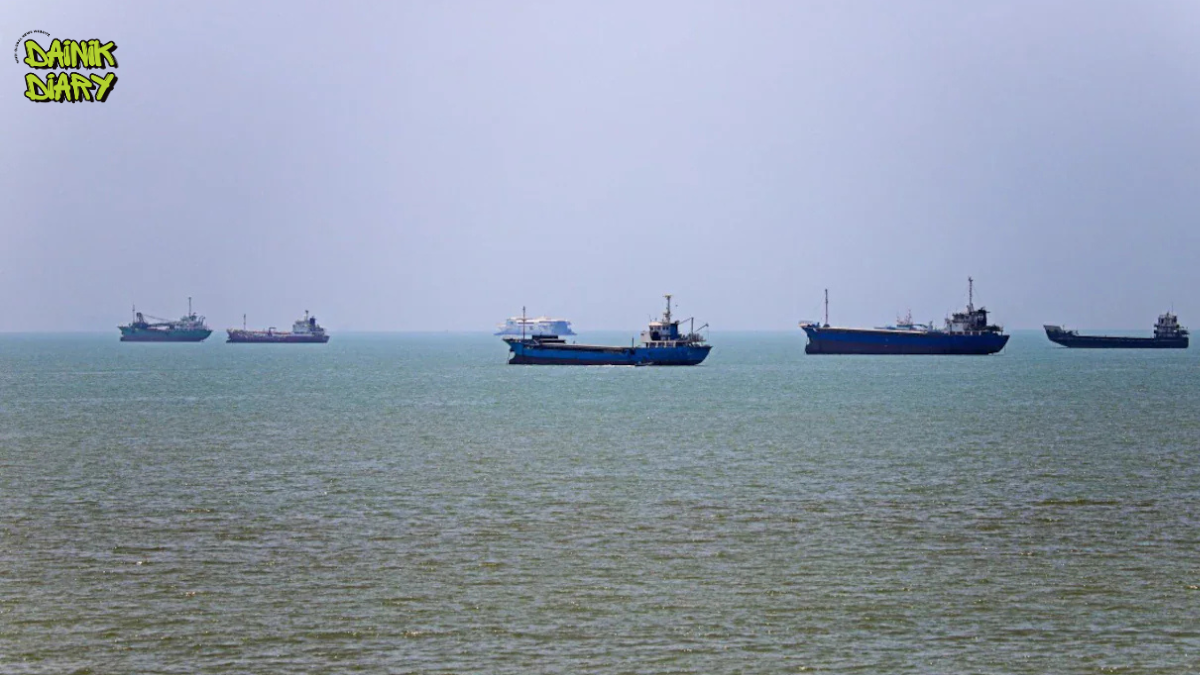
LONDON: The worsening confrontation between the United States and Iran has triggered fresh concerns for global maritime safety, with nearly 6,000 seafarers reportedly stranded aboard commercial vessels in the Persian Gulf as security risks continue to rise.
The International Maritime Organization (IMO) has appealed to all parties involved in the conflict to exercise maximum restraint and pursue de-escalation, warning that prolonged hostilities could put thousands of civilian sailors at greater risk.
UN Maritime Agency Raises Alarm
In an official statement, IMO Secretary-General Arsenio Dominguez expressed deep concern over the humanitarian impact of the crisis, saying that crews remain unable to leave the region safely due to the deteriorating security situation.
According to the IMO, thousands of seafarers have been forced to stay aboard their ships as uncertainty over navigation and military activity continues across the Gulf.
ALSO READ : Trump Warns Iran ‘We Will Hit Very Hard Tonight’: Why Kharg Island Has Suddenly Become The Center Of A Dangerous New Standoff
The organisation stressed that beyond physical danger, prolonged deployment has also created significant psychological stress, with many sailors facing anxiety over their safety and future.
Strait of Hormuz Remains the Centre of the Crisis
The latest developments come after renewed clashes between Washington and Tehran, following reported attacks on ships passing through the Strait of Hormuz, one of the world’s most strategically important shipping corridors.
Earlier in the day, US President Donald Trump declared that the US-Iran ceasefire was effectively over, although he said diplomatic discussions could still continue if circumstances allowed.
The escalating tensions have once again placed the Strait of Hormuz at the centre of global attention, with governments and shipping companies closely monitoring the rapidly changing security environment.
Vital Global Trade Route Under Pressure
The Strait of Hormuz is responsible for transporting a significant share of the world’s crude oil and liquefied natural gas. Any disruption along the route can have immediate consequences for global energy markets, shipping operations, and international trade.
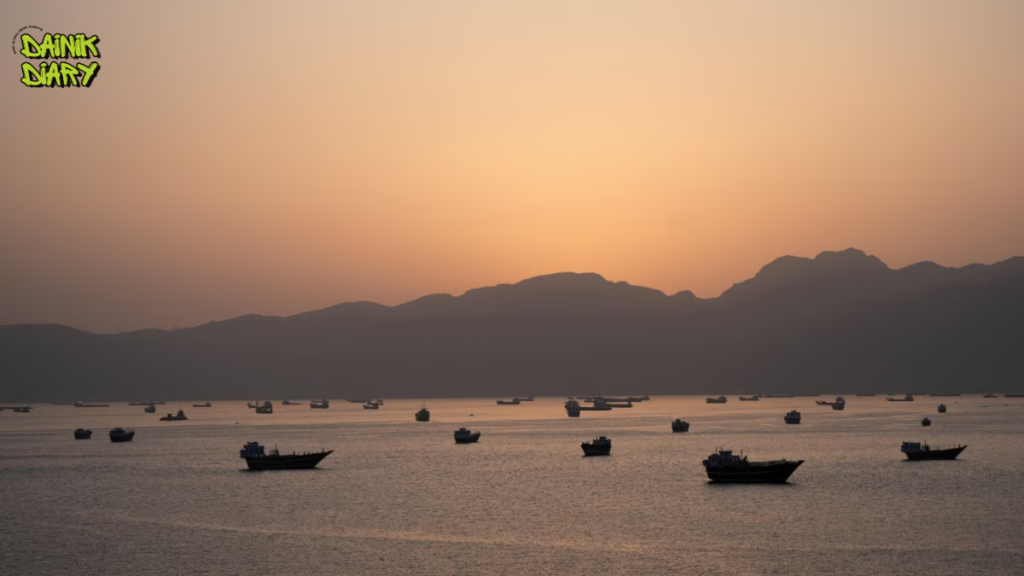
Iran has maintained that it has the authority to regulate movement through the waterway, including imposing transit fees and directing vessel routes within its territorial waters.
These developments have increased concerns among shipping operators and international observers over the possibility of further disruptions if tensions continue to escalate.
International Community Urges Restraint
With commercial vessels remaining anchored and thousands of crew members awaiting safer conditions, global organisations are urging all sides to prioritise diplomacy over military action.
Experts believe that avoiding further escalation will be crucial not only for regional stability but also for protecting international trade and ensuring the safety of civilian maritime workers operating in the Gulf.
As the situation unfolds, the world continues to watch closely, hoping diplomatic efforts can prevent a wider conflict in the Middle East.