
Automobile
Volkswagen ID. Cross Debuts Globally: 427km Range, Premium Features… Could This Electric SUV Be India’s Next Big EV?
Volkswagen has unveiled its newest compact electric SUV with up to 427km WLTP range, fast charging, and an upgraded cabin, sparking speculation about the brand’s future EV plans for India.

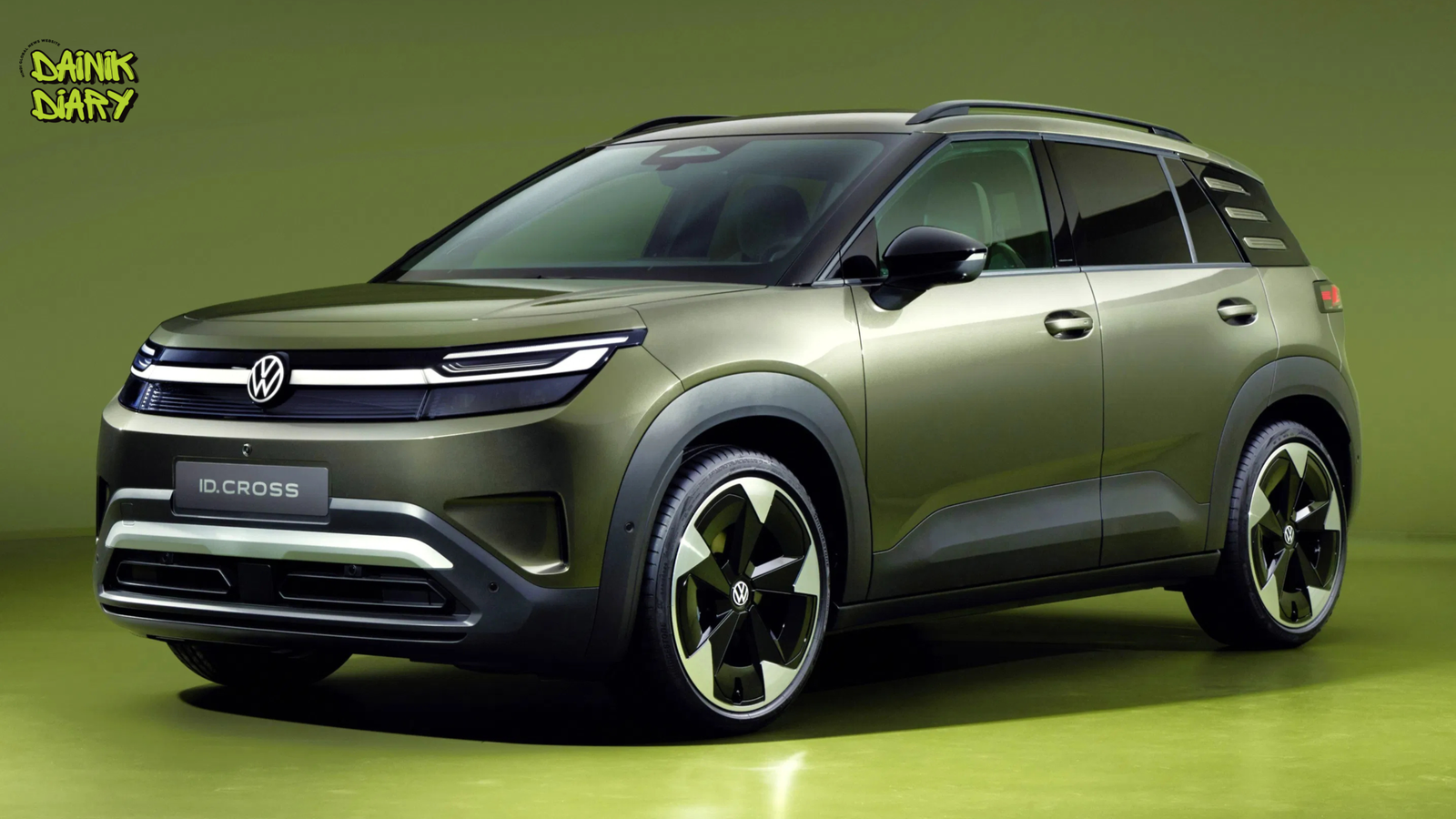
Volkswagen has taken another significant step in its global electric mobility journey with the unveiling of the all-new Volkswagen ID. Cross. Designed as an affordable compact electric SUV, the latest addition to the company’s growing ID family sits below the Volkswagen ID.4 and aims to make premium electric mobility more accessible.
Although the SUV has initially been launched for European markets, its debut has also caught the attention of Indian automobile enthusiasts, who continue to wait for Volkswagen’s first mainstream electric vehicle in the country.
Built on Volkswagen’s Latest MEB+ Platform
The ID. Cross is based on Volkswagen’s updated MEB+ electric vehicle architecture, which underpins several of the company’s latest EVs.
Buyers can choose between:
- 37kWh battery pack
- 52kWh battery pack
The SUV will also be available with three electric motor configurations, with the top-spec version producing 211bhp.
When equipped with the larger battery, Volkswagen claims the ID. Cross can travel up to 427 kilometres (WLTP-certified) on a single charge.
Read More- 2026 Toyota Hilux Teased Before India Launch… Bigger Grille, Smarter Cabin and a Surprise Under the Hood?
Charging performance is equally impressive, with 10% to 80% DC fast charging completed in approximately 23 minutes, making it suitable for both urban commuting and longer journeys.
Compact Outside, Spacious Inside
Measuring 4,153mm in length with a 2,601mm wheelbase, the ID. Cross has been engineered to maximise interior space without increasing its overall footprint.
Volkswagen has introduced its latest “Pure Positive” design philosophy on the SUV, featuring:
- Slim LED headlamps
- Clean body surfaces
- Modern SUV proportions
- Aerodynamic styling
The result is a contemporary electric SUV that maintains Volkswagen’s understated design identity while embracing a more futuristic appearance.
Cabin Gets Premium Upgrades
The interior of the ID. Cross represents a noticeable improvement over earlier ID models.
Volkswagen has upgraded cabin quality with:
- Soft-touch dashboard materials
- Premium fabric inserts
- Larger infotainment touchscreen
- Improved overall fit and finish
One notable change is the return of physical buttons for commonly used controls—a decision made after customer feedback highlighted the inconvenience of relying entirely on touchscreen controls.
The SUV also comes loaded with advanced technology, including:
- Connected Travel Assist
- Park Assist Pro with remote parking capability
- Adaptive suspension
- Vehicle-to-Load (V2L) functionality
- Optional massage seats
These features position the ID. Cross as a well-equipped offering in the compact premium EV segment.

Price and Availability
In Germany, the Volkswagen ID. Cross is priced from €27,995, which translates to approximately ₹28 lakh before taxes and import duties.
Customer deliveries are expected to begin later this year across European markets.
What Does It Mean for India?
While Volkswagen has not officially announced plans to introduce the ID. Cross in India, its unveiling carries broader significance.
The company’s global electric portfolio continues to expand rapidly, yet its Indian lineup remains centred around petrol-powered models such as the Volkswagen Virtus, Volkswagen Taigun, Tayron, Tiguan R-Line, and Golf GTI.
As India’s electric vehicle market continues to grow, the absence of a Volkswagen EV has become increasingly noticeable.
Industry observers believe that the expanding global ID lineup could eventually pave the way for Volkswagen’s electric debut in India, particularly as demand for premium electric SUVs continues to rise.
Although there is no official confirmation regarding the ID. Cross’s India launch, its arrival in global markets strengthens expectations that Volkswagen may soon accelerate its EV strategy for one of the world’s fastest-growing automotive markets.




Pingback: Can The Kia Syros EV Rescue Falling Sales? All Eyes On The Electric SUV As Launch Nears… - Dainik Diary - Authentic News
Pingback: Mahindra Thar Roxx Gets Costlier: Prices Hiked By Up To ₹78,000 Across Petrol And Diesel Variants - Dainik Diary - Authentic News