
Sports
Kia Cars to Get Costlier From July 1: Is Your Favourite SUV About to Become Expensive? Here’s What the Company Said
Kia India announces up to 2% price hike across its lineup, joining Tata Motors in a broader auto industry trend driven by rising input and operational costs.


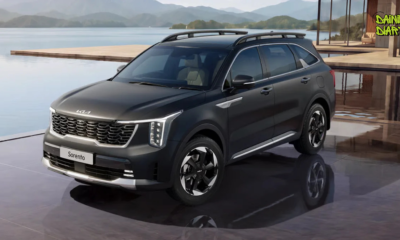
Buying a Kia India vehicle is set to become slightly more expensive from next month. The automaker has officially confirmed a price revision across its entire model range, citing increased input costs and higher operational expenses as the primary reasons behind the move.
The new prices will come into effect from July 1, 2026, with an overall hike of up to 2%, depending on the model and variant.
Why Kia Is Increasing Prices
In an official statement, Kia India explained that the decision was unavoidable due to persistent cost pressures affecting the automotive sector.
The company said:
“The revision is necessitated by rising input costs and an overall increase in operational expenditure.”
Despite the increase, Kia emphasised that it has made efforts to limit the burden on customers by absorbing a significant portion of the additional costs internally.
Another statement from the company read:
“Kia India remains committed to offering its customers the best-in-class products and ownership experience and has endeavoured to keep the price increase to a minimum by absorbing a significant portion of the cost escalation internally.”
The price revision will apply across Kia’s entire portfolio, which includes popular models such as the Kia Seltos, Kia Sonet, and Kia Carens, among others.
Auto Industry Under Cost Pressure
Kia is not alone in adjusting prices. The Indian automobile sector has been witnessing a wave of price hikes as manufacturers struggle with rising production costs.

Recently, Tata Motors also announced a price increase of up to 2.5% across its commercial vehicle range, effective July 1, 2026.
The company stated:
“The price increase is being undertaken to partially offset the impact of rising commodity prices and other input costs.”
These parallel announcements highlight a broader trend in the industry, where manufacturers are forced to balance profitability with customer affordability.
What This Means for Car Buyers
For prospective buyers, the timing of the price hike could influence purchase decisions, especially for those planning to buy mid-range SUVs or family vehicles in the coming weeks.
While the increase may appear modest on paper, even a 2% hike can translate into a noticeable jump in on-road prices, particularly in higher variants and top-end trims.
Dealers are also expected to see a slight surge in bookings before the new prices take effect, as buyers attempt to lock in current rates.
Industry Experts See a Continuing Trend
Automotive analysts believe this is part of a larger pattern affecting global car manufacturers, driven by rising costs of raw materials, logistics, and compliance requirements.
With demand for feature-rich vehicles increasing, companies are investing more in technology, safety features, and emission compliance systems—all of which add to production expenses.
Final Word
As the Indian automobile market continues to evolve, price adjustments from major players like Kia and Tata Motors reflect the balancing act between innovation and affordability.
For buyers, the message is clear: the window to purchase at current prices is closing soon, and the next few weeks could be crucial for those planning to bring home a new vehicle.






Pingback: Toyota Ebella Deliveries Begin In India: Price, Range, Features And Everything Buyers Need To Know - Dainik Diary - Authentic News