
Sports
IPL 2027: ‘Batting Gone Too Far?’ 3 Rule Changes That Could Bring Bowlers Back Into the Game After Record Six-Hitting Season
After IPL 2026 saw a historic surge in sixes and fours, experts believe the league may need structural tweaks to restore balance between bat and ball ahead of the next cycle.


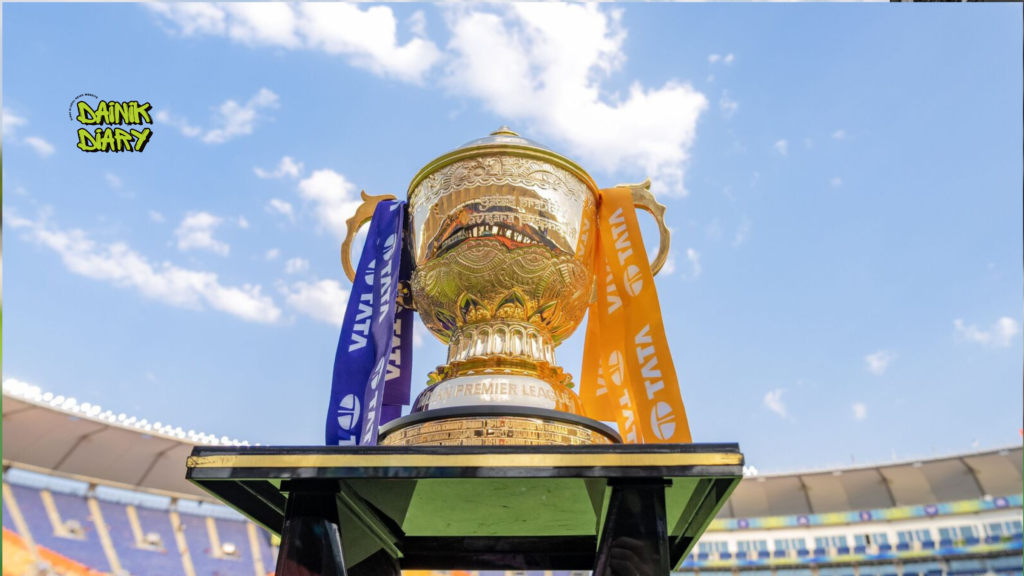
The Indian Premier League (IPL) has once again delivered a season packed with spectacle, drama and record-breaking performances. The 2026 edition ended with Royal Challengers Bengaluru (RCB) lifting their second title, capping off a campaign that thrilled fans across the globe.
But beneath the fireworks and final-over finishes lies a growing concern within cricketing circles: the game may be tilting too heavily in favour of batters.
A Season Defined by Boundaries
IPL 2026 will be remembered for its extraordinary hitting numbers.
A total of 1,426 sixes were smashed across the season—the highest ever in a single IPL edition. That marks a sharp 10.2% jump from the previous record of 1,294 sixes in 2025.
Fours were no less frequent. Players struck 2,332 boundaries, again surpassing the 2025 tally of 2,245.
While fans have enjoyed the entertainment value, analysts and former players argue that the balance between bat and ball is steadily eroding, leaving bowlers with increasingly limited impact on the game.
With that in mind, discussions have already begun around possible reforms that could be introduced ahead of IPL 2027.
1. Scrapping the Impact Player Rule
One of the most debated innovations in recent IPL history is the Impact Player rule, which allows teams to substitute a player mid-match.
While the rule has added tactical flexibility, critics believe it has unintentionally encouraged ultra-aggressive batting approaches, as teams feel protected against early collapses.
More importantly, it has reduced the value of all-rounders, who once played a crucial balancing role in T20 cricket.
Removing the rule, supporters argue, would restore strategic depth and give bowlers a more meaningful role in shaping outcomes.
2. Reducing Powerplay Overs
The current six-over powerplay often sets the tone for high-scoring encounters, with batting teams frequently racing to aggressive starts before field restrictions ease.
Some experts now suggest trimming the powerplay to four overs, arguing that it would allow bowlers to settle into matches earlier and reduce one-sided contests.
A shorter powerplay could also bring captains into play more quickly, forcing sharper tactical decisions right from the beginning of an innings.
3. Allowing One Bowler to Bowl Five Overs
Another proposed reform focuses on giving bowlers greater influence in matches.
At present, each bowler is restricted to a maximum of four overs in a T20 game. However, with batting-friendly pitches becoming increasingly common, some suggest allowing one bowler per innings to bowl up to five overs.
This change could give captains a crucial tactical weapon—deploying their best bowler for an additional over at a decisive moment, potentially shifting momentum in tightly contested games.
Restoring Balance in a Batting-Dominated Era
The IPL has always thrived on entertainment, but its long-term appeal depends on maintaining a competitive balance.
In recent seasons, high-scoring matches have become the norm, but cricket purists argue that the contest between bat and ball is what makes the format truly compelling.
Adjustments such as rule changes, combined with more sporting pitches, could help restore equilibrium and ensure that both bowlers and batters have equal influence on outcomes.
As discussions around IPL 2027 begin to take shape, one thing is clear—the league stands at a crossroads. Whether it leans further into batting fireworks or rebalances itself to preserve traditional cricketing contest will define its next chapter.







Pingback: Hardik Pandya To CSK In 2027? MS Dhoni’s ‘Reported Role’ In Shock Mega Swap With Mumbai Indians Sends IPL World Into Frenzy… - Dainik Diary - Authentic Hindi News
Pingback: Samsung Galaxy S25 Edge Price Shock: ₹1 Lakh Flagship Now Selling For ₹59,999 On Flipkart… Is This The Biggest Deal Of 2026? - Dainik Diary - Authentic Hindi News