Sports
ICC’s 2027 World Cup Format Triggers Outrage: ‘Only Two Matches After Qualifying?’ Associate Nations Question the Big Change
The ICC’s revamped 2027 Men’s ODI World Cup format has come under fire from Associate nations, with players and the World Cricketers’ Association arguing the new structure limits opportunities for emerging teams despite promises to grow the game globally.

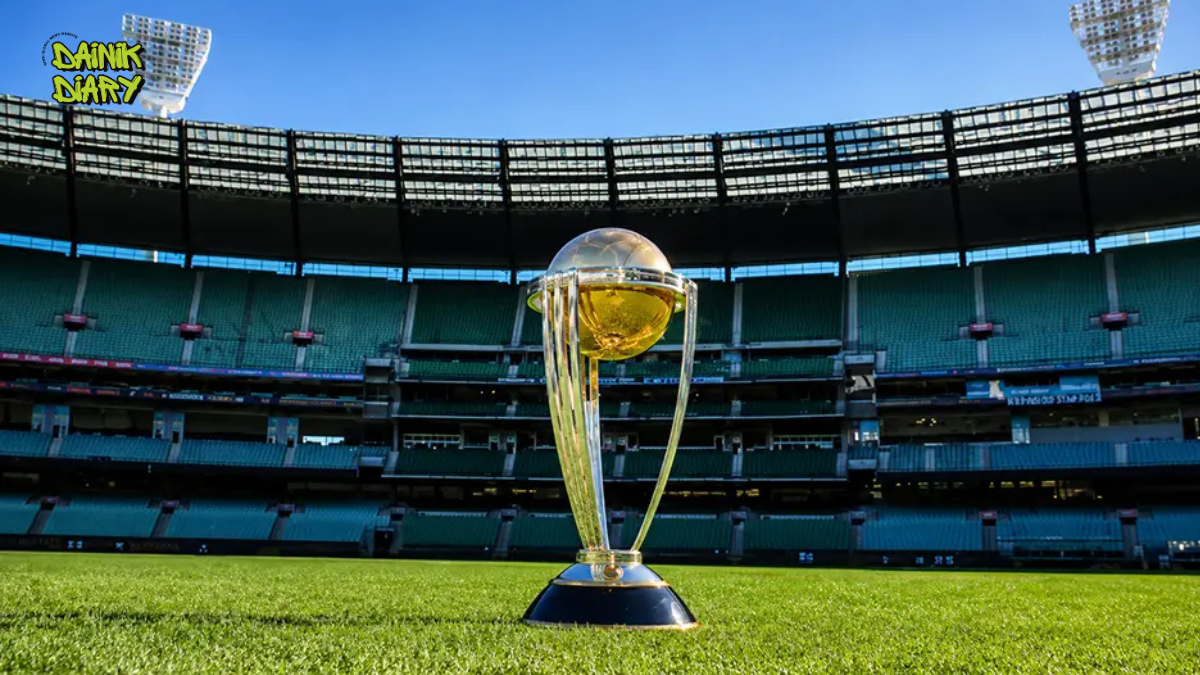
The International Cricket Council (ICC) is facing mounting criticism after unveiling a revised format for the 2027 Men’s ODI World Cup, with several Associate nations calling the changes unfair and damaging to the growth of international cricket.
Although the tournament will continue to feature 14 teams, the road for lower-ranked nations has become significantly tougher. Under the new structure, the lowest-ranked qualifiers will compete in a newly introduced three-team ‘Super Series’, where each side will play only two matches. Two of the three teams will then be eliminated before the main phase of the competition begins.
The announcement has sparked disappointment among players, administrators, and the World Cricketers’ Association (WCA), who believe the revised format reduces opportunities for emerging cricket nations to compete against the world’s best teams.
ALSO READ: Rohit Sharma Sends Strong Fitness Warning Ahead of England ODIs… India Captain Begins Batting Grind After Family Break
Associate Nations Say the Format Undermines Years of Hard Work
For many Associate nations, qualifying for an ODI World Cup represents years of dedication, investment, and development. However, critics argue that playing only two matches after reaching cricket’s biggest stage diminishes the reward for that achievement.
Netherlands captain Scott Edwards expressed his disappointment, saying the revised format changes the value of qualification after teams have spent years working towards the tournament.
According to Edwards, the ICC frequently speaks about expanding cricket across the world, but limiting the number of matches for emerging nations sends the opposite message. He stressed that regular competition against established Full Member teams is essential for improving standards and inspiring young players back home.
His remarks have resonated with many within the global cricket community, where concerns over equal opportunities continue to grow.
Namibia Captain Questions the Value of Qualification
Namibia captain Gerhard Erasmus also voiced concerns, describing the ODI World Cup as much more than another international event.
He noted that in many Associate nations, players build entire careers around the dream of representing their country at the World Cup. Receiving just two matches after successfully qualifying, he argued, raises serious questions about whether the tournament truly offers meaningful opportunities for developing cricket nations.
His comments reflect a broader frustration among smaller cricketing countries that believe the new structure favors established teams while limiting exposure for those trying to close the gap.
World Cricketers’ Association Seeks Greater Consultation
The World Cricketers’ Association has also criticised the decision-making process, suggesting that key stakeholders were not adequately consulted before the revised format was approved.
The organisation believes significant tournament changes should involve discussions with players, member boards, and representatives from Associate nations to ensure the interests of the global cricket community are properly considered.
The criticism has reignited the long-standing debate over how international cricket can become more inclusive while balancing commercial and competitive priorities.
A Debate That Could Shape Cricket’s Global Future
The 2027 ODI World Cup remains one of the most anticipated tournaments on the cricket calendar, but its new format has already become a talking point well before the first ball is bowled.
Supporters of the changes argue the structure will keep the tournament more competitive, while opponents believe it reduces the opportunities that Associate nations desperately need to grow.
As discussions continue, many fans and former players will be watching closely to see whether the ICC responds to the concerns or stands by its decision. For emerging cricket nations, the debate is about far more than tournament scheduling—it’s about securing a genuine place on the sport’s biggest stage.