
Travel News
Over 1 Million Passengers Connected at 35,000 Feet: Air India’s Inflight Wi-Fi Boom Signals a New Era of Flying
From scrolling Instagram over the Arabian Sea to replying to work emails mid-flight, Air India’s onboard internet service is rapidly transforming the travel experience for Indian flyers.

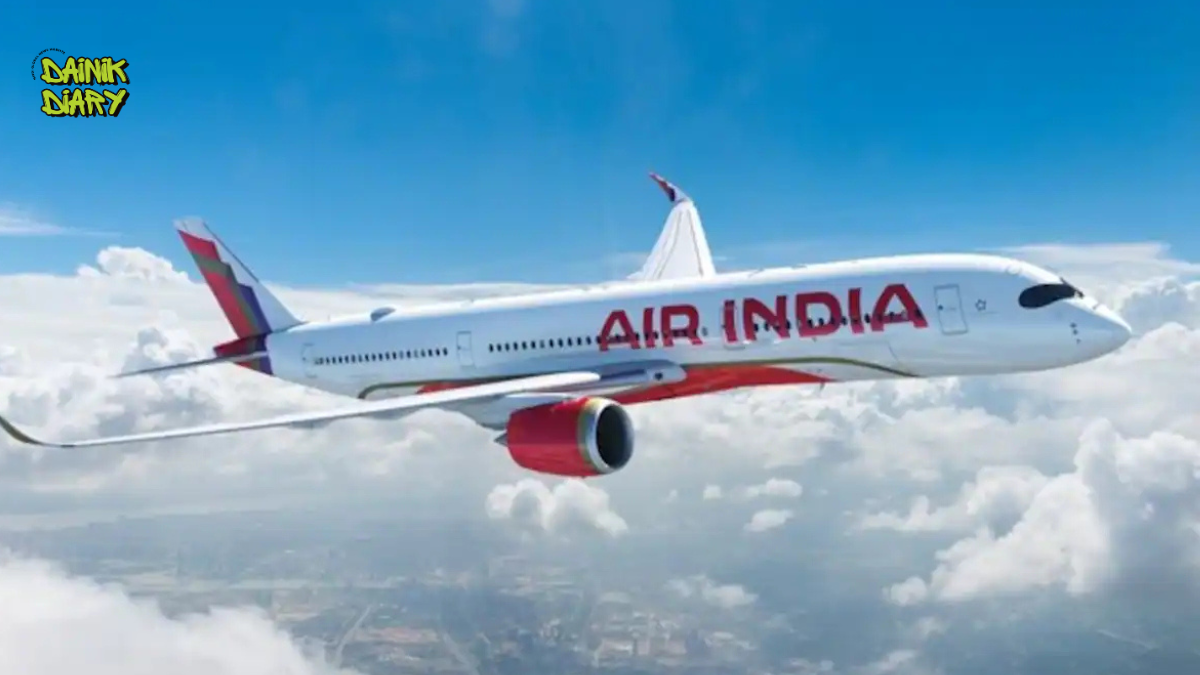
The days when passengers had to switch off from the digital world the moment an aircraft took off are gradually becoming a thing of the past. Air India has announced that more than one million passengers have used its inflight Wi-Fi service over the past year, reflecting a major shift in how travellers stay connected while flying.
Whether it’s checking emails, chatting with friends, attending to work, or simply browsing social media at 35,000 feet, onboard internet access is becoming an expected part of the flying experience rather than a luxury.
Passenger Adoption Has Nearly Doubled in One Year
According to the airline, inflight Wi-Fi is now available on more than 55 flights every day, with demand rising significantly over the last 12 months.
Passenger adoption has grown from 30% in June 2025 to 55% in June 2026, showing that more travellers are embracing uninterrupted internet connectivity throughout their journey.
The numbers indicate that modern passengers increasingly expect to remain connected regardless of whether they are flying across India or travelling on long-haul international routes.
Read More- World’s Best Airlines 2026 Revealed… This Airline Takes the Top Spot as Aviation Giants Battle for Global Crown
Social Media Rules the Skies
Interestingly, the airline’s data shows that social media remains the biggest reason passengers connect to inflight Wi-Fi.
Nearly 89% of connected travellers used the service for social networking, streaming, or browsing online platforms during their flights.
The remaining 11% primarily used the internet for:
- Sending and receiving emails
- Messaging through chat applications
- Accessing websites
- Completing work-related tasks
The trend reflects how digital lifestyles now continue seamlessly even while cruising thousands of feet above the ground.
500 Terabytes of Data Consumed in Just One Year
The popularity of the service is also evident in overall internet consumption.
Passengers collectively used nearly 500 terabytes of data over the last year through Air India’s onboard network.
A large share of that traffic came from entertainment and streaming activities.
- 86% of the total data was consumed through streaming services.
- 14% was used for regular web browsing.
These figures underline the increasing demand for high-speed onboard connectivity among both leisure and business travellers.

Wi-Fi Currently Available on 28 Aircraft
Air India’s connected fleet currently includes 28 Wi-Fi-enabled aircraft serving several major international destinations.
Passengers can access inflight internet on routes connecting cities such as:
- London
- New York
- Newark
- Frankfurt
- Melbourne
- Hong Kong
- Singapore
- Bali
- Manila
- Mauritius
The airline has confirmed that additional aircraft and more international routes will receive Wi-Fi capability in phases as the rollout continues.
Inflight Connectivity Becoming the New Standard
Across the global aviation industry, airlines increasingly consider inflight internet an essential customer service rather than an optional premium feature.
Business travellers now expect to continue working during flights, while leisure passengers prefer staying connected with family, streaming entertainment, or sharing their journeys in real time.
Air India’s latest milestone demonstrates how rapidly passenger expectations are evolving. As connectivity expands across its fleet, onboard Wi-Fi is likely to become a standard part of the airline’s international travel experience, allowing passengers to remain productive and connected from takeoff to landing.






Pingback: 'History Takes Off At Navi Mumbai Airport...': First International Flight Departs For Abu Dhabi, Opening A New Global Gateway - Dainik Diary - Authentic News