Technology
New iPhones, Fake Discounts: Scammers Target Apple Buyers With Deals That Look ‘Too Good to Miss’
As Apple’s iPhone 18 Pro and iPhone 18 Pro Max enter the pre-order phase, cybersecurity researchers are warning shoppers about convincing fake stores, suspicious discounts and phishing pages designed to steal money and personal information.

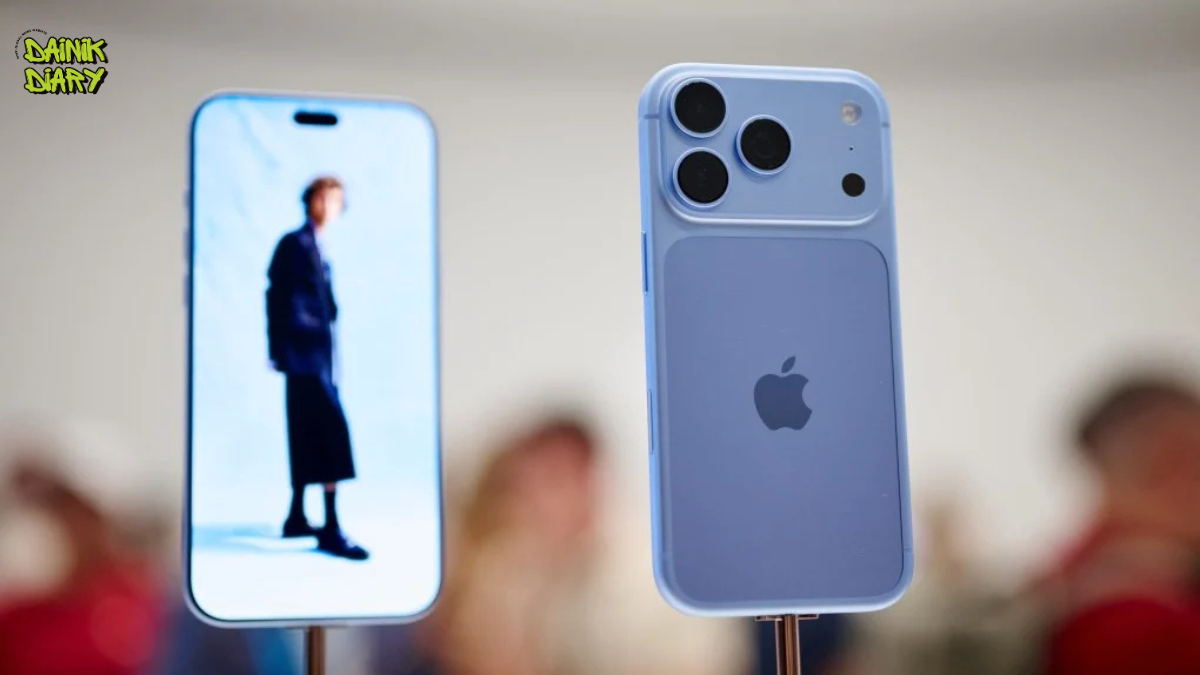
The arrival of a new iPhone usually brings long queues, pre-orders and a rush among buyers hoping to get their hands on the latest device. This year, however, that excitement has also created an opportunity for online scammers.
Soon after Apple unveiled the iPhone 18 Pro, iPhone 18 Pro Max and its first foldable iPhone Duo on September 9, cybersecurity researchers began flagging suspicious websites attempting to cash in on the launch buzz. Some of these pages advertise massive discounts, while others promise early access to devices that are not even officially available yet.
Fake iPhone stores are appearing online
Security researchers have observed a surge in domains using terms connected to Apple and the latest iPhone models around major launch events.
According to reports, more than 200 potentially suspicious iPhone-related domains can appear within a day around new launches, compared with very few registrations during ordinary periods. The timing gives scammers an obvious advantage: millions of consumers are actively searching for prices, pre-orders and discounts.
The worrying part is that many fraudulent stores no longer look amateurish.
Fake shopping websites can include high-quality product photographs, specifications, customer reviews and polished checkout pages. Researchers say artificial intelligence is making it easier for fraudsters to imitate legitimate online retailers and quickly create convincing-looking stores.
Once Apple publishes the official names, specifications and prices of its devices, scammers can reproduce those details on fraudulent pages, making them much harder for an ordinary shopper to identify at first glance.
Huge discounts and ‘limited stock’ create urgency
One of the biggest warning signs is an unusually attractive price.
Fraudulent websites may advertise a newly launched iPhone significantly below its official retail price. Some then add countdown timers, “limited stock” alerts or claims that a special price will disappear within minutes.
The idea is simple: make shoppers feel they could lose an extraordinary deal if they stop to verify the seller.
For Indian consumers, the temptation can be particularly strong because the new Pro models carry premium prices. The iPhone 18 Pro starts at ₹1,64,900 in India, according to Apple, while the Pro Max sits above it in the lineup.
A discount that appears dramatically lower than Apple’s official pricing should therefore be checked carefully rather than treated as an instant bargain.
Some scam pages appeared before Apple even announced the phones
There is another striking warning sign.
Security researcher Alexandre François of WhoisXML API told Forbes that phishing websites targeting the iPhone 18 Pro and iPhone 18 Pro Max were appearing at least two weeks before Apple’s September 9 launch event.
At least one fraudulent page reportedly displayed a “buy now” option even though the phones had not officially been announced at that point.
Now that specifications and pricing are public, fake retailers have even more material with which to make their pages appear authentic.
Check whether the iPhone is actually on sale
Perhaps the easiest way to expose some scams is to check Apple’s official availability dates.
Apple says the iPhone 18 Pro and iPhone 18 Pro Max became available for pre-order on September 12, with general availability beginning September 18 in India and several other markets.
The iPhone Duo, however, has a different schedule. Apple’s Indian online store currently lists the foldable model for pre-order beginning October 16.
ALSO READ : Apple raises iPhone prices after iPhone 18 Pro launch: Some older models now cost up to ₹65,000 more…
That means a website claiming to have the iPhone Duo ready for immediate delivery before its official availability deserves close scrutiny.
Similarly, the standard iPhone 18 was not part of Apple’s September Pro launch. Reports have indicated that the base model is expected later, meaning websites claiming immediate access to it should not automatically be trusted.
Bank transfer or crypto-only payments? Think twice
The payment page can reveal another major red flag.
Scam stores may push customers towards bank transfers or cryptocurrency, payment methods that can make recovering money considerably more difficult after fraud.
Buyers should be particularly cautious when a supposedly major retailer provides no familiar card-payment options, lacks clear customer-support information or pressures customers to complete payment immediately.
Before entering card details, passwords or other personal information, shoppers should carefully inspect the domain name. A professional-looking website alone is no longer enough to establish that a retailer is genuine.
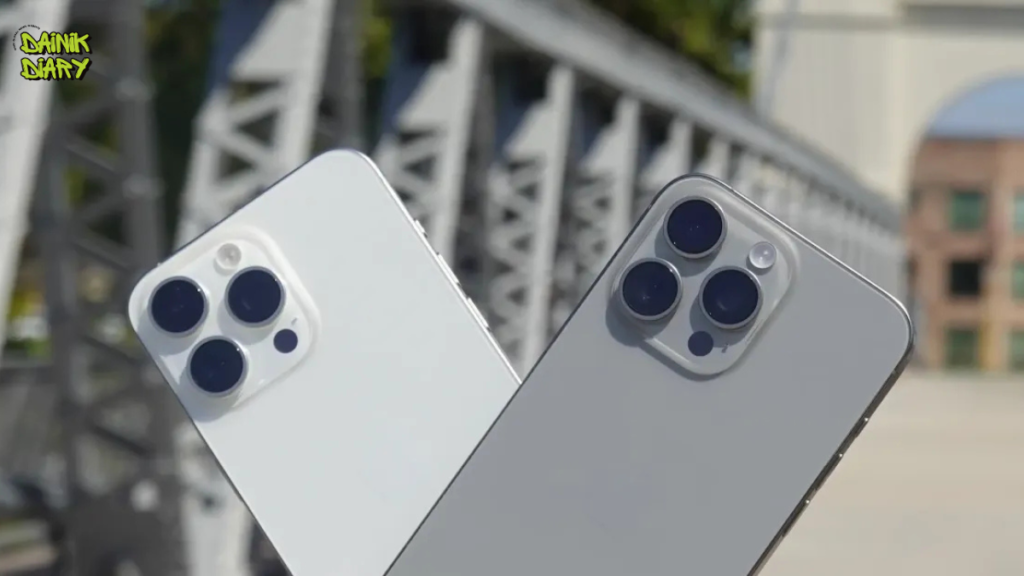
Avoid unfamiliar links promising unbelievable iPhone deals
Consumers should also be wary of links arriving through unsolicited emails, advertisements, social-media posts or text messages.
Instead of following such links, buyers can manually visit Apple’s official website or navigate directly to a retailer they already know and trust.
Apple itself advises users dealing with suspicious messages not to follow unexpected links or provide personal or account information in response to social-engineering attempts.
Small differences in a website address including an extra letter, unusual spelling or unfamiliar domain ending can be easy to overlook, particularly when someone is rushing to secure a supposedly limited deal.
Already entered your details? Act quickly
Anyone who believes they have submitted payment or financial details to a fraudulent store should contact their bank immediately rather than waiting for the seller to respond.
Passwords connected to compromised accounts should also be changed, particularly if the same password has been reused elsewhere.
With new iPhones attracting enormous attention every year, fraudsters do not need every fake website to succeed. They only need a small number of excited shoppers to act before checking.
For buyers, the safest rule remains remarkably simple: verify the seller, compare the price with Apple’s official listing and be suspicious of urgency.
When a brand-new iPhone is being offered at a price that seems almost impossible, the biggest bargain on the page may actually be the biggest warning sign.