India News
Supreme Court Cracks Down on Court Video Clips: New Order Bars Uploads Without Approval, But There’s One Big Exception…
The apex court has prohibited the unauthorised extraction, editing, sharing and monetisation of live-streamed judicial proceedings while making it clear that legitimate news reporting will continue unaffected.

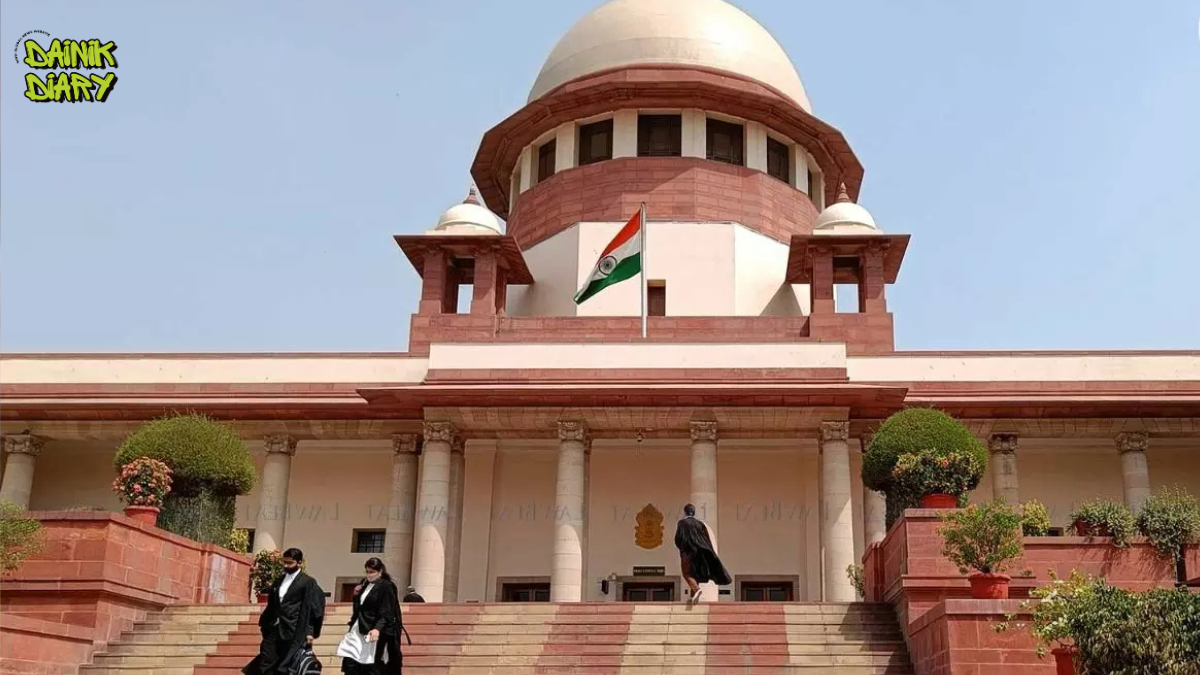
New Delhi: In a significant move aimed at protecting the dignity and integrity of judicial proceedings, the Supreme Court of India has issued an interim order prohibiting the unauthorised extraction, editing, sharing, uploading and monetisation of audio and video recordings of court proceedings on social media and other digital platforms.
The order, however, comes with an important clarification that has reassured journalists and media organisations: news reporting based on court proceedings will not be affected.
The interim directions were issued by a Bench comprising Chief Justice of India Surya Kant, Justice Joymalya Bagchi, and Justice V. Mohan while hearing a Public Interest Litigation (PIL) seeking safeguards against the misuse of court livestreams.
What the Supreme Court Ordered
According to the interim order, no individual or organisation can extract, modify, circulate, repost or monetise audio-video recordings of judicial proceedings without obtaining prior permission from the appropriate court authority.
For proceedings of the Supreme Court, permission must be obtained from the Secretary General of the Supreme Court, while recordings from High Courts require approval from the respective Registrar General.
The Bench also directed that the order be prominently displayed on the official websites of the Supreme Court and all High Courts to ensure wider public awareness.
News Reporting Gets a Clear Exemption
One of the most important aspects of the order is the court’s explicit clarification that these restrictions are not intended to interfere with professional news reporting.
By making this distinction, the Supreme Court has attempted to strike a balance between preserving the sanctity of judicial proceedings and protecting the freedom of the press to report matters of public interest.
This means journalists can continue reporting on court hearings, judgments and legal developments without being affected by the interim restrictions on audiovisual recordings.
Why the Petition Was Filed
The order came while hearing a petition filed by journalist Harshita Grover, who sought comprehensive guidelines to regulate the clipping, editing and online circulation of courtroom videos.
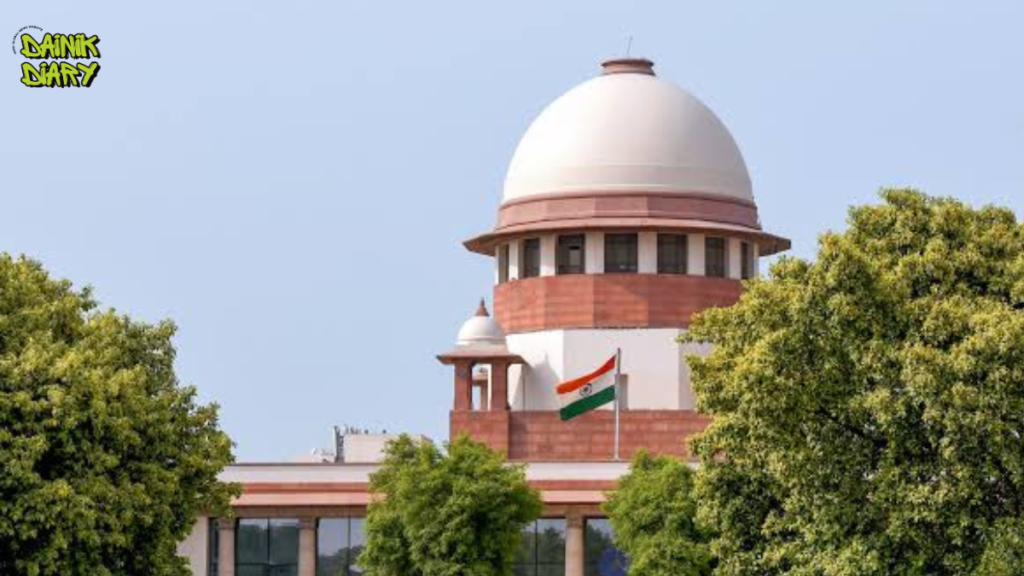
The petition argued that short, selectively edited video clips taken from live-streamed court proceedings often remove important context. Such clips can misrepresent judicial observations, create misinformation and damage public confidence in the country’s justice delivery system.
It also highlighted concerns about the growing trend of monetising courtroom clips on social media platforms for commercial gain.
ALSO READ : DMK Knocks on Supreme Court’s Door Over Vijay’s Karur Visit, Seeks Gag Order on Ministers in Stampede Probe
Court Seeks Wider Consultation
During the hearing, the Supreme Court issued notices to all High Courts across the country and asked them to submit reports on the implementation of the Supreme Court’s livestreaming guidelines.
The High Courts have also been directed to explain the impact of continuous livestreaming of proceedings and share their experiences regarding its implementation.
Additionally, the Union Government has been asked to identify the ministries that would be responsible for implementing any future regulatory framework emerging from the case.
The court also issued notices to major social media intermediaries, including Meta and X, recognising their role in the circulation of digital content related to court proceedings.
Balancing Transparency and Judicial Dignity
The livestreaming of court proceedings was introduced to improve transparency and strengthen public access to the judicial process. However, the increasing practice of extracting brief courtroom exchanges, editing them out of context and circulating them widely has raised concerns within the legal community.
Legal experts believe the interim order seeks to preserve the original context of court proceedings while preventing misuse for sensationalism, misinformation or financial gain.
The matter is expected to receive further consideration after responses are filed by the Union Government, High Courts and social media platforms.
For now, the Supreme Court’s interim directions establish a clear rule: courtroom recordings cannot be freely edited, uploaded or monetised without official approval, while responsible news reporting remains fully protected.