World News
Sheikh Hasina’s Delhi Press Conference Sparks Big Questions… Is India Shifting from ‘Strategic Patience’ to a More Assertive Bangladesh Policy?
Former Bangladesh Prime Minister Sheikh Hasina’s appearance in New Delhi has reignited debate over India’s regional strategy, with analysts suggesting New Delhi could be entering a more proactive phase in its engagement with Dhaka.


Sheikh Hasina’s Delhi Appearance Fuels Debate Over India’s Bangladesh Strategy
Former Bangladesh Prime Minister Sheikh Hasina’s recent press conference in New Delhi has generated fresh discussion over the future of India-Bangladesh relations. After nearly two years of maintaining what many observers described as a policy of “strategic patience,” India is now being viewed by some analysts as preparing to adopt a more proactive diplomatic posture.
While the press conference primarily focused on Bangladesh’s political developments, its location and timing have attracted significant attention in strategic and diplomatic circles.
Why the Press Conference Matters
Since Sheikh Hasina arrived in India following Bangladesh’s political upheaval, New Delhi has largely refrained from making strong public political interventions. India continued engaging with Bangladesh’s new leadership while carefully balancing its broader strategic interests in the region.
However, Hasina’s decision to address the media from Delhi has been interpreted by some experts as carrying broader diplomatic significance beyond domestic Bangladeshi politics.
The event has prompted discussions over whether India is signalling that it is prepared to play a more visible role in shaping the future of bilateral relations.
Analyst Suggests India Could Be Moving to the ‘Front Foot’
Political analyst Pratim Bose argues that the latest developments may represent a shift from India’s long-standing policy of “strategic patience” toward a more assertive diplomatic approach.
According to Bose’s assessment, India had previously exercised restraint despite growing complexities in its relationship with Dhaka. Sheikh Hasina’s public appearance in New Delhi, however, could indicate that New Delhi now wants to demonstrate it has multiple diplomatic options available.
This interpretation remains an analytical assessment rather than an official position of the Indian government.
Focus Turns to Tarique Rahman
Another important aspect highlighted by Bose relates to Bangladesh’s current political leadership, particularly Prime Minister Tarique Rahman.
According to the analyst, Rahman had reportedly declined an earlier invitation for high-level engagement with India following his electoral victory. If accurate, future interactions between Dhaka and New Delhi may now occur under considerably different political circumstances, especially with Sheikh Hasina continuing to remain in India.
The evolving political dynamic could influence the direction of bilateral engagement in the coming months.
India’s Strategic Interests Remain Central
Despite speculation about a more proactive policy, experts note that India has strong reasons to avoid direct confrontation with Bangladesh.
The neighbouring country remains strategically vital for India due to several factors, including:
- Border security along the nearly 4,100-kilometre India-Bangladesh border.
- Trade and economic cooperation.
- Connectivity with India’s Northeastern states.
- Counter-terrorism and regional security.
- Cross-border migration and minority-related concerns.
- Bangladesh’s growing engagement with other regional powers.
Because of these shared interests, analysts believe any future policy adjustment would likely seek to balance firmness with continued diplomatic engagement.
ALSO READ : Trump Warns Iran ‘We Will Hit Very Hard Tonight’: Why Kharg Island Has Suddenly Become The Center Of A Dangerous New Standoff
A Signal Rather Than a Confrontation
According to Bose’s analysis, the key message emerging from Sheikh Hasina’s Delhi appearance is not necessarily that India is openly backing any particular political figure.
Instead, it may be signalling that New Delhi is prepared to respond more actively depending on how Bangladesh’s current leadership chooses to engage with India.
Should Dhaka pursue constructive dialogue, opportunities for improving bilateral relations may remain available. Conversely, a confrontational approach could invite stronger diplomatic responses from New Delhi.
What Comes Next?
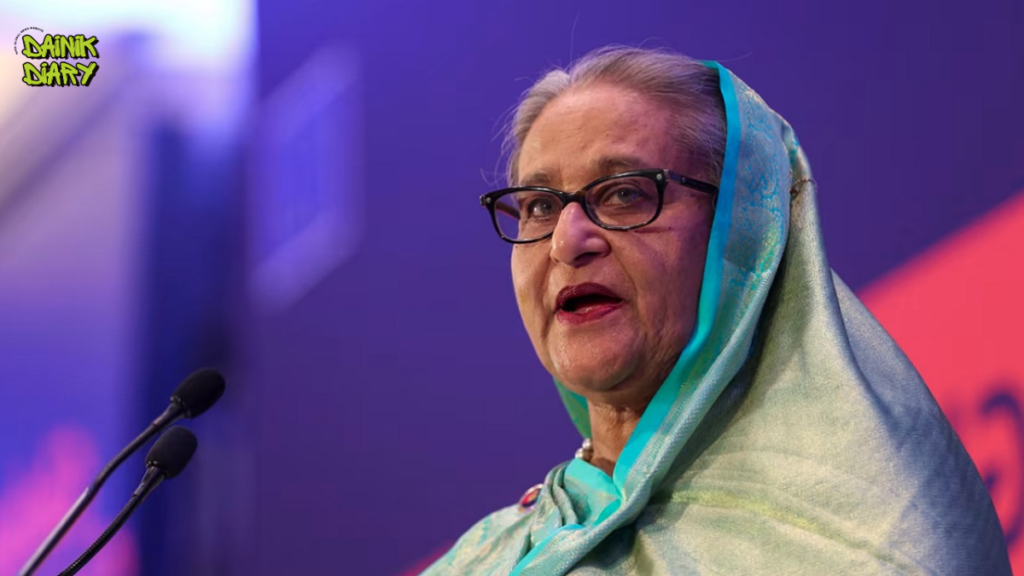
For nearly two years, India has largely adopted a wait-and-watch strategy regarding Bangladesh’s changing political landscape. Sheikh Hasina’s latest appearance in New Delhi has now sparked speculation that this phase could be drawing to a close.
Whether India’s Bangladesh policy is truly entering a more assertive phase will ultimately depend on future diplomatic engagement between the two neighbours.
For now, the spotlight shifts to Dhaka, where the next political and diplomatic moves could play a decisive role in shaping one of South Asia’s most important bilateral relationships.