India News
From Student Protest to National Movement? Cockroach Janta Party Unveils Big Grassroots Plan to Hold Government ‘Accountable’
CJP says it will expand across every district of India, focusing on unemployment, inflation, food security, and youth issues while continuing to question the government’s handling of recent student protests.

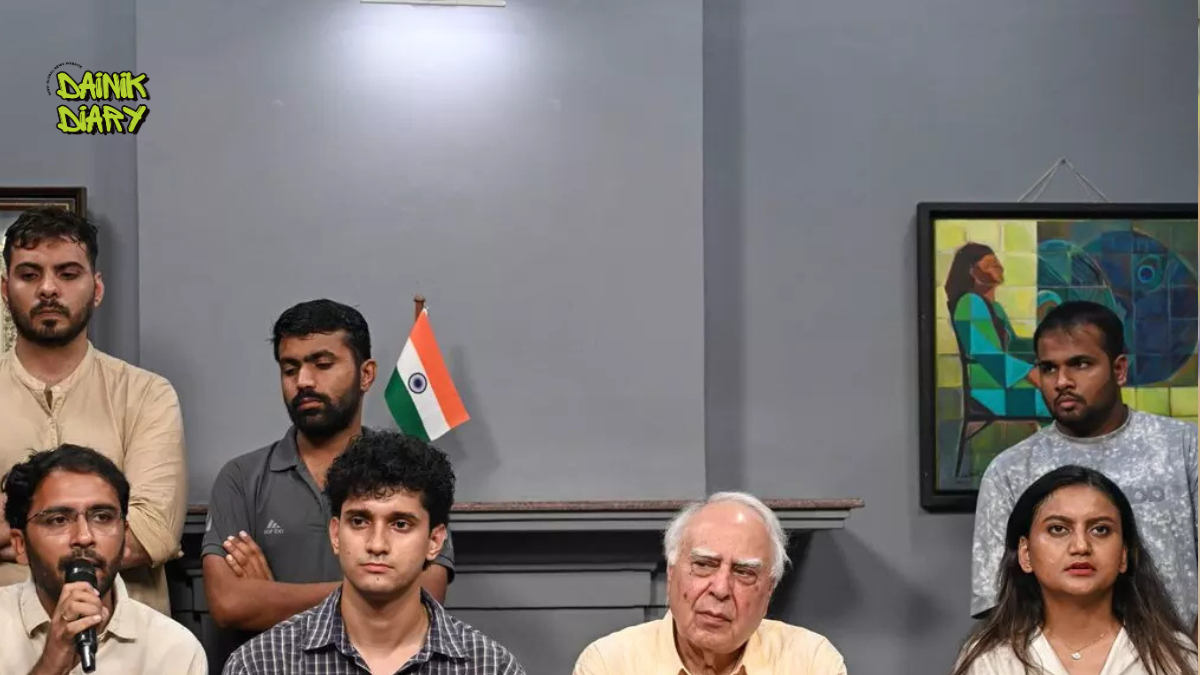
New Delhi: After emerging as one of the most talked-about youth-led movements in recent months, the Cockroach Janta Party (CJP) has now announced an ambitious plan to build a nationwide grassroots network aimed at holding the government accountable for promises made to India’s young population.
According to reports, the organisation has no immediate intention of becoming a registered political party. Instead, its leadership wants to strengthen its presence across the country by creating district-level teams and engaging directly with citizens through village meetings and public assemblies.
Speaking about the movement’s future, Saurav Das, a senior spokesperson of the Cockroach Janta Party, said the focus would remain firmly on youth-related concerns, including unemployment, inflation, education reforms, and food security.
“The movement is about accountability,” Das said, adding that the organisation wants to ensure that the voices of ordinary people—especially those in rural India—are heard by policymakers.
A Movement Born from Student Anger
The rapid rise of the Cockroach Janta Party surprised many political observers. What reportedly began as a social media campaign soon transformed into one of India’s largest student-led protest movements in recent years.
The movement gained momentum over allegations of repeated examination paper leaks and dissatisfaction with the education system. Students across multiple states joined demonstrations demanding greater transparency, accountability, and reforms in recruitment and examination processes.
The protests intensified after Sonam Wangchuk, an educator and activist, was removed by Delhi Police from a demonstration site following a prolonged hunger strike in support of protesting students. The incident triggered fresh demonstrations in several major cities, including Mumbai, Hyderabad, Bengaluru, and Ahmedabad.
Political Impact of the Protests
The protests eventually placed significant pressure on the government. Amid growing public criticism, Union Education Minister Dharmendra Pradhan resigned on July 25, becoming one of the few ministers in recent years to step down following sustained public pressure.
In his resignation statement, Pradhan said he did not want student anger to be “exploited by anti-national forces,” although he did not provide further details.
Following discussions between government representatives and CJP, ministers reportedly assured protesters that police cases related to the demonstrations would be withdrawn. The government also announced compensation for families of students who allegedly died by suicide in connection with examination paper leak controversies.
ALSO READ :‘Join BJP or We’ll Target Your Parents’: CJP Founder Abhijeet Dipke’s Father Alleges Threats After Movement’s Launch
Grassroots Expansion Across India
Looking ahead, CJP says it plans to function as a nationwide youth movement rather than a conventional political party.
The organisation intends to deploy volunteers and coordinators in every district, conduct public meetings, and collect feedback directly from local communities. According to its leadership, this approach will help bring attention to issues that often remain unheard outside metropolitan areas.
By remaining independent of electoral politics for now, the movement hopes to act as a pressure group capable of influencing public policy without contesting elections.
Continuing Pressure Over Police Conduct
Apart from expanding its organisational network, the Cockroach Janta Party is continuing to demand accountability over allegations of excessive force used during the student demonstrations.
To support these claims, the organisation has launched a digital evidence repository where people can upload photographs, videos, and testimonies documenting alleged police misconduct. Party representatives claim that hundreds of submissions have already been received.
The issue has also reached Parliament, with Leader of Opposition Rahul Gandhi raising concerns about police action during the protests and calling for greater accountability from the Ministry of Home Affairs, which oversees the Delhi Police.
Whether the Cockroach Janta Party evolves into a political force or remains a nationwide pressure group, its rapid rise reflects growing concerns among many young Indians regarding employment opportunities, education, and governance.
With plans to establish a presence across every district, the coming months could determine whether the movement succeeds in transforming widespread student activism into a long-term grassroots campaign focused on public accountability.