Automobile
Next-Gen Hyundai i20 Breaks Cover Globally: SUV-Inspired Makeover, Futuristic Cabin and a Surprise Under the Hood…
The fourth-generation Hyundai i20 has finally arrived with a bold new design, connected LED lighting, a high-tech interior and updated engine options that could redefine the premium hatchback segment.


The wait is over. Hyundai Motor Company has officially unveiled the all-new fourth-generation Hyundai i20, giving one of its most popular premium hatchbacks a dramatic transformation.
After images of the model surfaced online in recent weeks, Hyundai has now pulled the wraps off the hatchback in Brazil, showcasing a design that blends the practicality of a hatchback with the visual appeal of an SUV.
A Radical New Look That Commands Attention
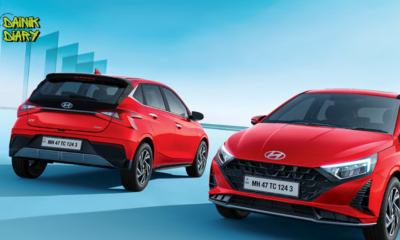
The new i20 looks significantly different from the outgoing model. While it retains its familiar hatchback silhouette, Hyundai has introduced several rugged and futuristic design elements that immediately make it stand out.
At the front, a striking full-width LED light bar stretches across the nose, connecting sleek arrow-shaped headlamps. The addition of distinctive Y-shaped LED daytime running lights gives the car a sharp and modern identity.
The rear design has also been reworked extensively. Connected LED tail-lamps housed within triangular elements create a wider stance, while newly designed 17-inch dual-tone alloy wheels add to the sporty character of the vehicle.
The result is a hatchback that appears more premium, more muscular and noticeably more futuristic than before.
Bigger Platform, Practical Dimensions
Built on Hyundai’s advanced K3 Platform, the latest i20 measures:
- Length: 4,130 mm
- Width: 1,780 mm
- Height: 1,495 mm
- Wheelbase: 2,580 mm
Despite the stylish redesign, practicality remains intact. The hatchback offers a generous 346-litre boot, making it suitable for daily commuting as well as weekend road trips.
Cabin Gets a Major Technology Upgrade
Step inside and the changes become even more noticeable.
The dashboard has been completely redesigned with a cleaner and more premium layout. The highlight is a curved digital display panel that seamlessly integrates the infotainment system and instrument cluster, creating a cockpit-like experience for the driver.
Hyundai has also introduced a fresh three-spoke steering wheel design and a revamped centre console layout. The cabin features a sophisticated dual-tone grey colour scheme, while the seats are finished in premium two-tone leather upholstery.
Other notable features include:

Wireless smartphone charging- Front centre armrest
- Multiple cupholders
- Enhanced infotainment system
- Improved cabin ergonomics
The overall interior feels more upscale and technology-focused, reflecting changing customer expectations in the premium hatchback segment.
Engine Options: Flex-Fuel Technology Takes Centre Stage
Under the hood, Hyundai is offering two flex-fuel powertrain options for the Brazilian market.
The entry-level variants are powered by a naturally aspirated 1.0-litre three-cylinder engine paired with a five-speed manual gearbox. The engine produces up to 74 bhp and 92 Nm on petrol, while ethanol use increases output to 79 bhp and 100 Nm.
For buyers seeking stronger performance, higher variants receive a 1.0-litre direct-injection turbocharged flex-fuel engine mated to a six-speed automatic transmission.
This more powerful setup delivers:
- 113 bhp of power
- 172 Nm of torque
Interestingly, Hyundai claims that performance remains virtually unchanged whether the turbo engine runs on E30 petrol blend or ethanol, highlighting the efficiency of its latest flex-fuel technology.
What Could This Mean for India?
While Hyundai has not yet confirmed launch plans for the Indian market, the unveiling of the fourth-generation i20 is likely to spark excitement among hatchback enthusiasts.
The current Hyundai i20 remains one of the strongest contenders in India’s premium hatchback category, competing against rivals such as the Maruti Suzuki Baleno and Toyota Glanza.
With its bold styling, technology-rich cabin and modern powertrain options, the new-generation model could set a fresh benchmark whenever it eventually reaches more global markets.
For now, Hyundai has made one thing clear — the i20 is no longer just a practical hatchback; it is evolving into a far more premium and lifestyle-focused offering.